
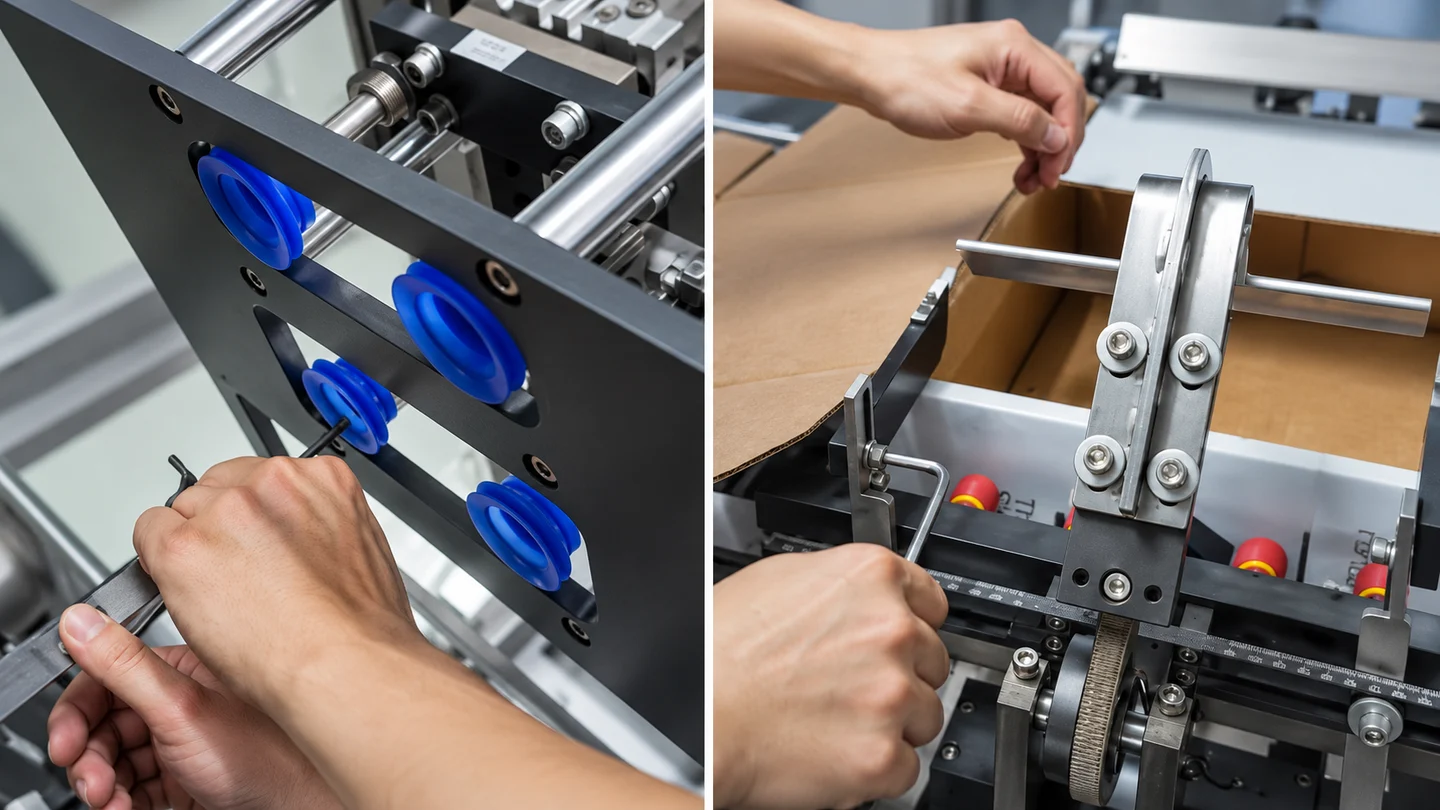
When production moves from one box type to another, the forming tools need to match the next blank. On the setup shown in our demonstration, a typical box-type mould change takes about six minutes. The upper and lower tooling, blank guides and pickup positions work together to prepare the machine for the next box.
What does a six-minute mould change mean?
The practical benefit is a shorter interruption between box jobs. For a packaging operation that switches between different orders, straightforward access to the tooling makes changeover an important part of machine selection alongside production speed.
About six minutes is the typical mould replacement time reported by Xunding for the demonstrated setup. The time needed to resume production also depends on the box design, the adjustments required and the operator’s familiarity with the equipment. Material preparation, trial boxes and further setup checks should be included when planning a complete production changeover.
The two supplied videos explain the adjustments in detail. Their running times include explanation and checks; they are not a timed six-minute changeover test.
Upper mould: match the tooling to the next blank
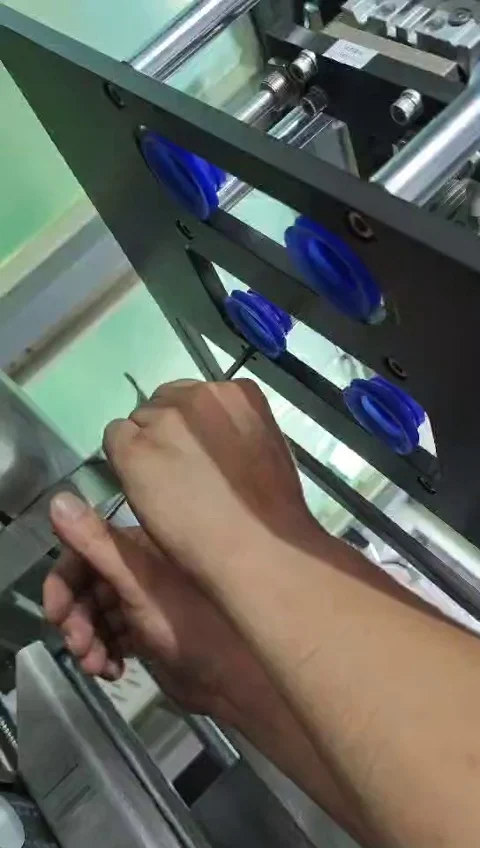
The upper tooling must work with the shape and pickup area of the next cardboard blank. In the first video, the technician handles a removable metal plate and works at its fastening points with an Allen key. Close-up views show the blue suction cups, guide rods and surrounding hardware.
This part of the demonstration makes the changeover easy to understand: the operator can see and reach the components that need attention. The replacement tooling and pickup arrangement must be checked against the intended blank before the machine returns to its operating cycle.
Lower mould: set the forming area for the new box
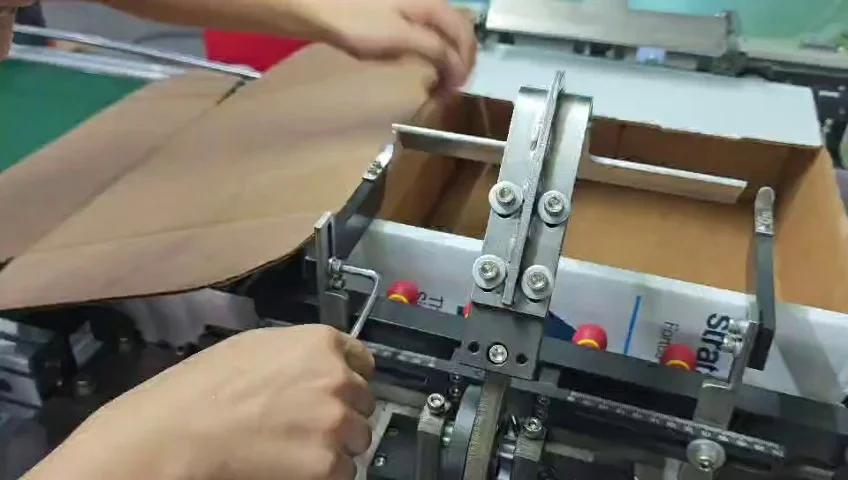
The lower mould and forming guides need to suit the finished box dimensions and fold positions. The videos show the operator measuring positions, adjusting the fixture and working around the blank with hand tools. The metal crossbars, brackets and fixing points can be seen directly in the operation footage.
Changing the upper tooling alone is only part of the job. The corresponding lower setup must be aligned so that the board reaches the forming area in the intended position. The blank drawing and a finished sample provide useful references when moving between box types.
Check the guides, suction position and machine settings
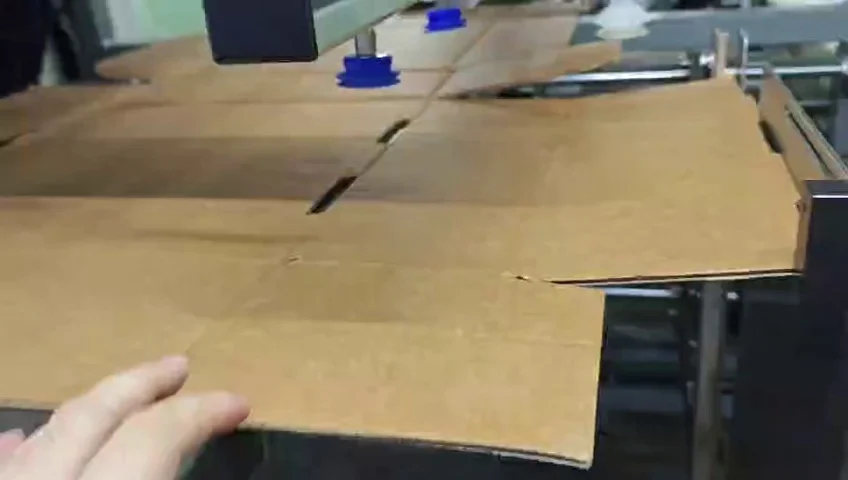
The demonstration also includes guide adjustments, suction-cup positioning and checks at the control panel. These details connect the mould change to reliable blank handling: the next blank needs to be picked up and presented correctly as well as formed into the right shape.
For repeat orders, keeping the box drawing, tooling identification and confirmed setup information together can help the operator prepare the next changeover. For a different box structure, review which parts need replacement and which positions require adjustment with Xunding before assuming the same setup applies.
Confirm the first box before continuing the batch
After the tooling and settings have been checked, assess a trial box against the agreed sample. Look at finished dimensions, squareness, fold alignment and corner formation. Where the process uses adhesive, include joint position and bonding quality in the check.
A short mould change is useful when it leads to a suitable first box. Confirming the sample before continuing the batch helps identify an incorrect position or setting early. Machine access, tooling replacement and trial operation must follow the instructions for the supplied equipment and be carried out by trained personnel.
Planning to run several box formats?
Send Xunding the flat blank drawings and finished samples for each box type, together with the board specification, required output and how often you expect to change jobs. This gives us a clear basis for discussing the machine configuration, the moulds required and the changeover steps between your actual products.
When arranging an acceptance demonstration, agree which two box types will be used and whether the timing covers tooling replacement alone or the full process through the first acceptable box. That makes the result useful for your own production planning.
View the company photo album →
Discuss your box formats with Jason Chen →
Explore box forming machines →