
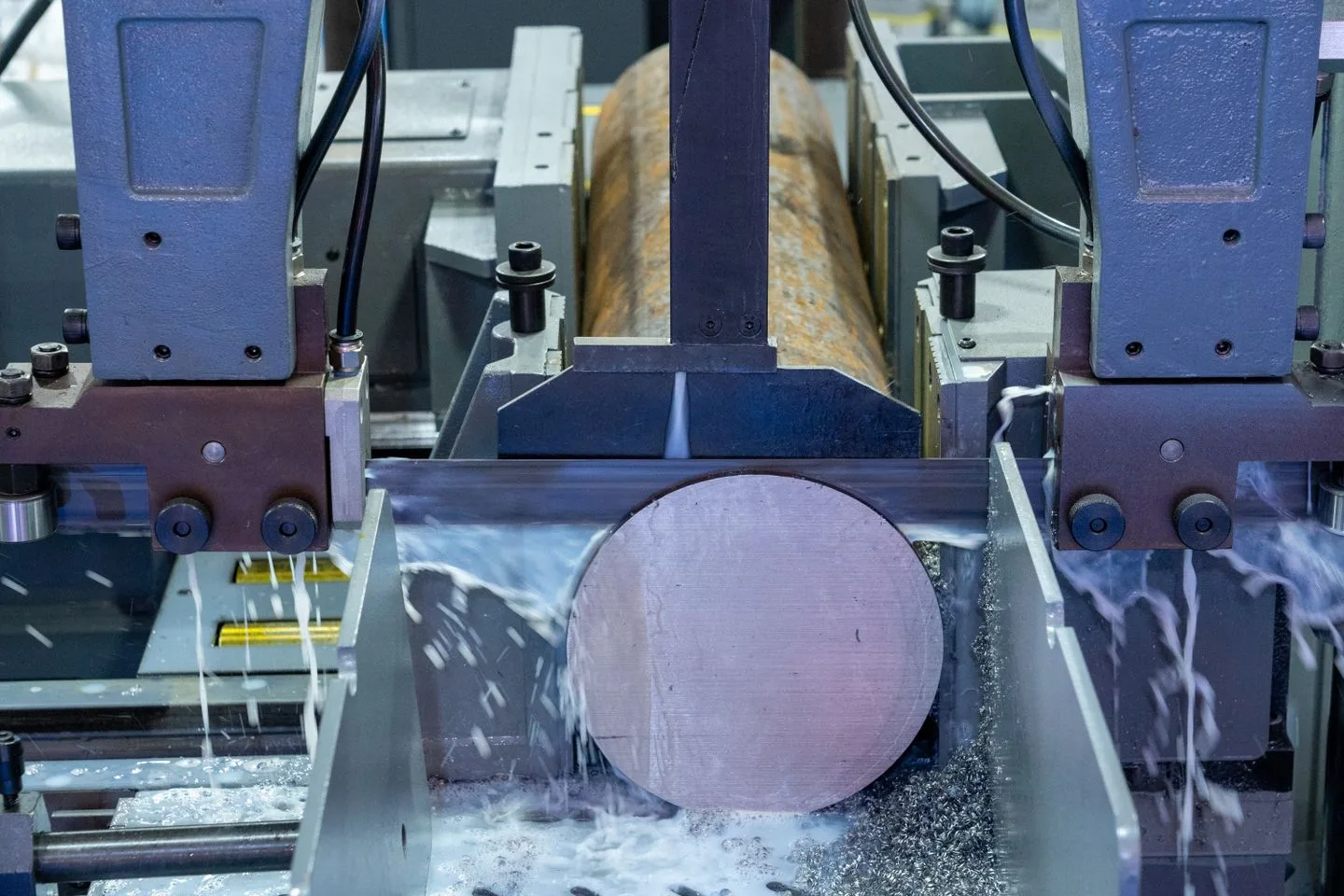
A packaging machine takes shape long before its panels are fitted. Metal stock, structural sections and machined mounting points provide the foundation for the forming and conveying mechanisms. Good material selection means matching each part to its load, working environment and service requirements, then carrying that specification through fabrication and assembly.
Material quality starts with a defined specification
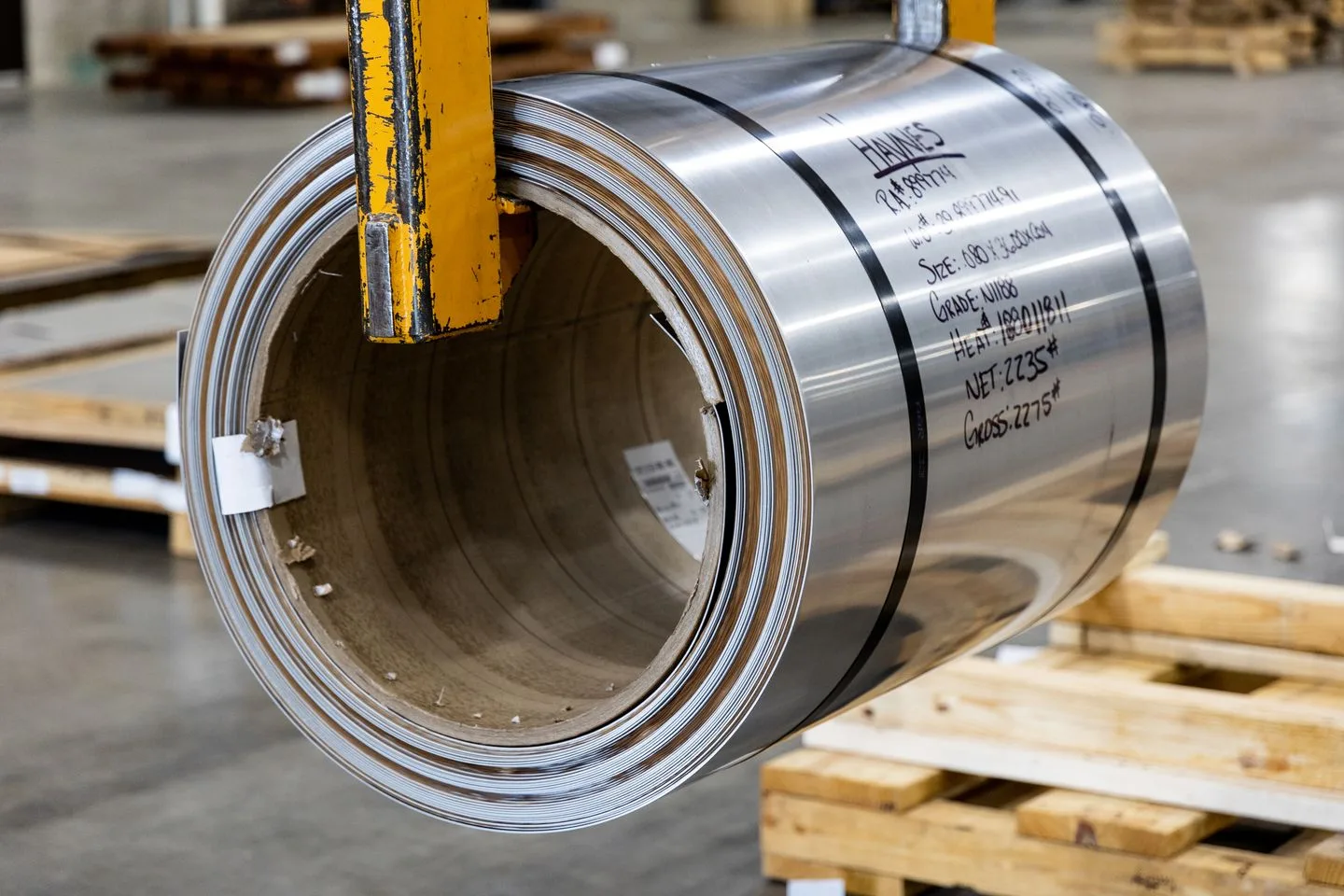
A polished surface tells only part of the story. Steel grade, section dimensions, wall thickness and the condition of the supplied stock all belong in the material specification. A frame member, a rotating shaft and an outer cover perform different jobs, so they need different selection criteria. The useful question is whether the chosen material suits the component and its operating conditions.
Identification markings and material records connect incoming stock to a specification. Where a project requires material certificates or traceability for particular components, include that requirement in the purchasing discussion. The grade and finish should be agreed for the quoted configuration; a photograph alone cannot establish either one.
A stable frame depends on the complete structure
The frame supports moving assemblies, guides and the forming station. Section size, bracing, connection design and mounting positions work together to resist movement under load. Material thickness has to be considered with the shape and span of the structure. Adding metal in one place does not automatically improve the alignment of the entire machine.
For a packaging line, the practical benefit of a well-supported structure is a consistent base for setup and operation. Buyers can ask to review the arrangement of the main frame, feet and equipment connections, especially where conveyors or stacking units are included. The discussion should relate the structure to the proposed line layout and the access needed for maintenance.
From cut stock to finished mounting surfaces
Cutting prepares the stock for the next operation. The fabrication sequence then establishes the shape and connection points of the assembly. Where welding is used, the sequence and subsequent checks need to account for changes in geometry. Critical mounting faces may require machining so that the connected components have an appropriate seating surface.
Before assembly, attention to edges, burrs and hole locations makes the parts easier to fit and inspect. A mounting plate should be evaluated against its drawing and mating components. Clean contact surfaces and correctly located fixing points help the assembler establish alignment without forcing parts into position.
Choose surface protection for the working environment
Painted steel, stainless steel and aluminium can each have a place in machinery, depending on the component and environment. Humidity, cleaning methods, abrasion and the location of exposed surfaces affect the decision. Tell the supplier how and where the equipment will operate, including any special requirements for surfaces near the packaging path.
For a Xunding enquiry, send the box format, production target and installation conditions together. Ask which materials and finishes apply to the model under discussion, and identify any special requirements before the configuration is agreed. This turns a general request for good materials into specific details that can be reviewed in the quotation and acceptance plan.
View the company photo album →
Review machine specifications and acceptance checks →
Explore box forming and carton packaging machines →
Discuss your machine requirements with Jason Chen →