
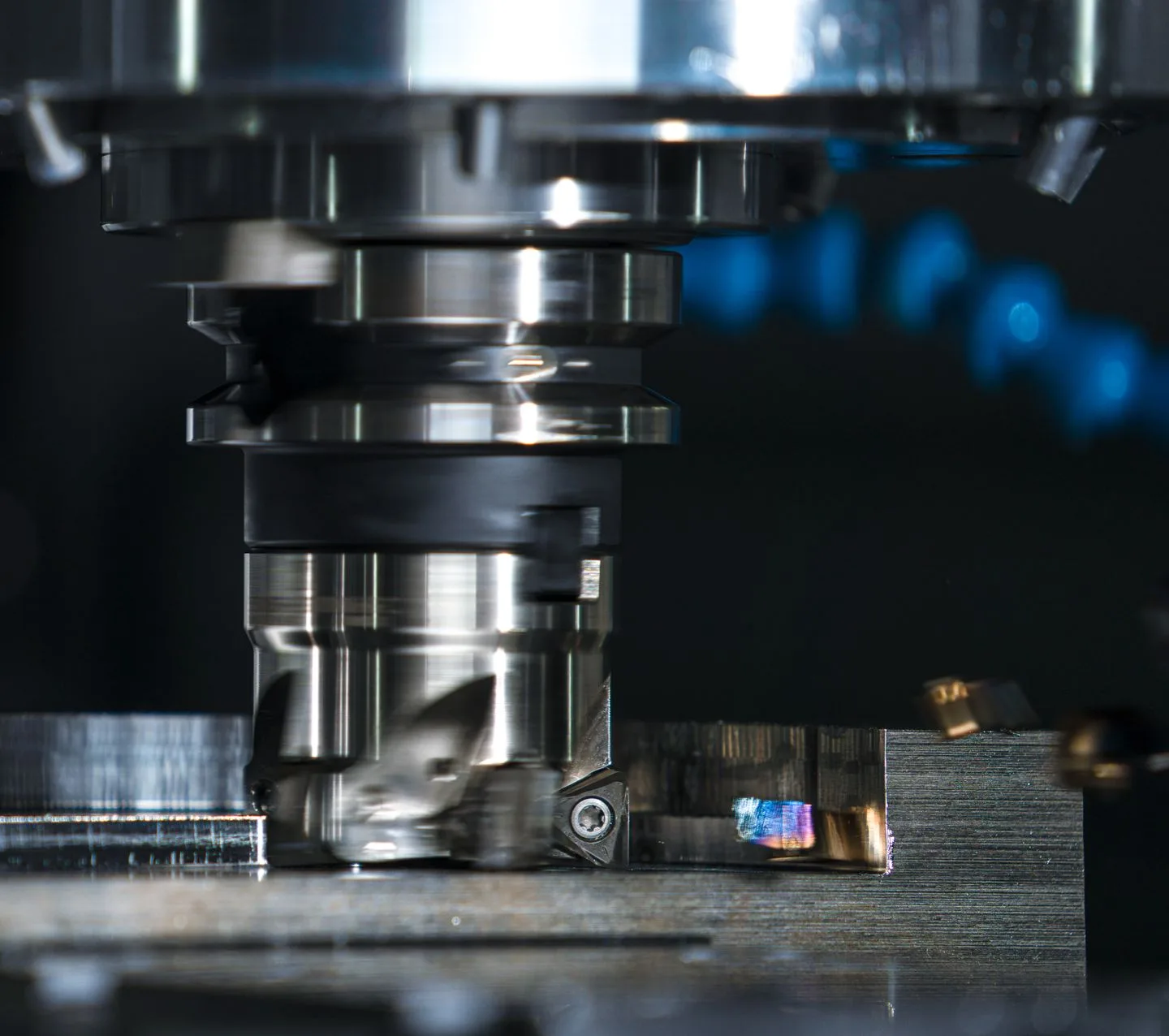
Inside a packaging machine, shafts, mounting plates and guides have to work together through repeated cycles. Precision machining gives these components their required dimensions and mating surfaces. The aim is a part that fits its function: a shaft that seats correctly, a guide that aligns with its support, and a mounting face that locates the next assembly.
Reference surfaces connect the drawing to the part
A component drawing defines more than its overall length and width. It also identifies the surfaces and features used to locate other dimensions. These datums provide a common reference for machining, measurement and assembly. For a mounting plate, the relationship between a seating face and a hole pattern can matter as much as the outside dimensions.
Keeping the reference clear helps prevent individually acceptable dimensions from producing a poor fit when the parts are assembled. The required tolerances should follow the component’s job and mating parts. Applying an extremely tight tolerance everywhere adds work without necessarily improving the forming process; the critical relationships are the ones that need to be defined and checked.
Milling establishes faces, slots and fixing features
Milling removes material with a rotating cutter to produce features such as flat faces, slots and shoulders. The workpiece must be supported and located for the operation. Tool condition, fixture stability and the cutting strategy influence the resulting surface and geometry. A clean-looking face still needs dimensional checks where it locates a guide, bearing support or forming assembly.
Machining a part also means planning how it will be held for successive operations. Repositioning should preserve the relationship to the reference surface. After cutting, burrs and chips need attention before the component is measured or fitted. These details are especially useful to review on parts whose mounting faces establish the position of moving mechanisms.
Turning controls cylindrical features and shoulders
Turning is used for cylindrical features, including shaft diameters and locating shoulders. Different sections of one shaft may serve different functions: a bearing seat, a coupling position or a surface used by another moving component. Their diameters, lengths and relationships should be specified around those connections rather than judged only by surface shine.
A suitable fit helps the connected components assemble and function as intended. Diameter checks alone may not answer every question about the part; shoulder position, surface condition and geometric relationships can also matter. The appropriate inspection method depends on the drawing, and the required result should be confirmed before the part goes into the assembly.
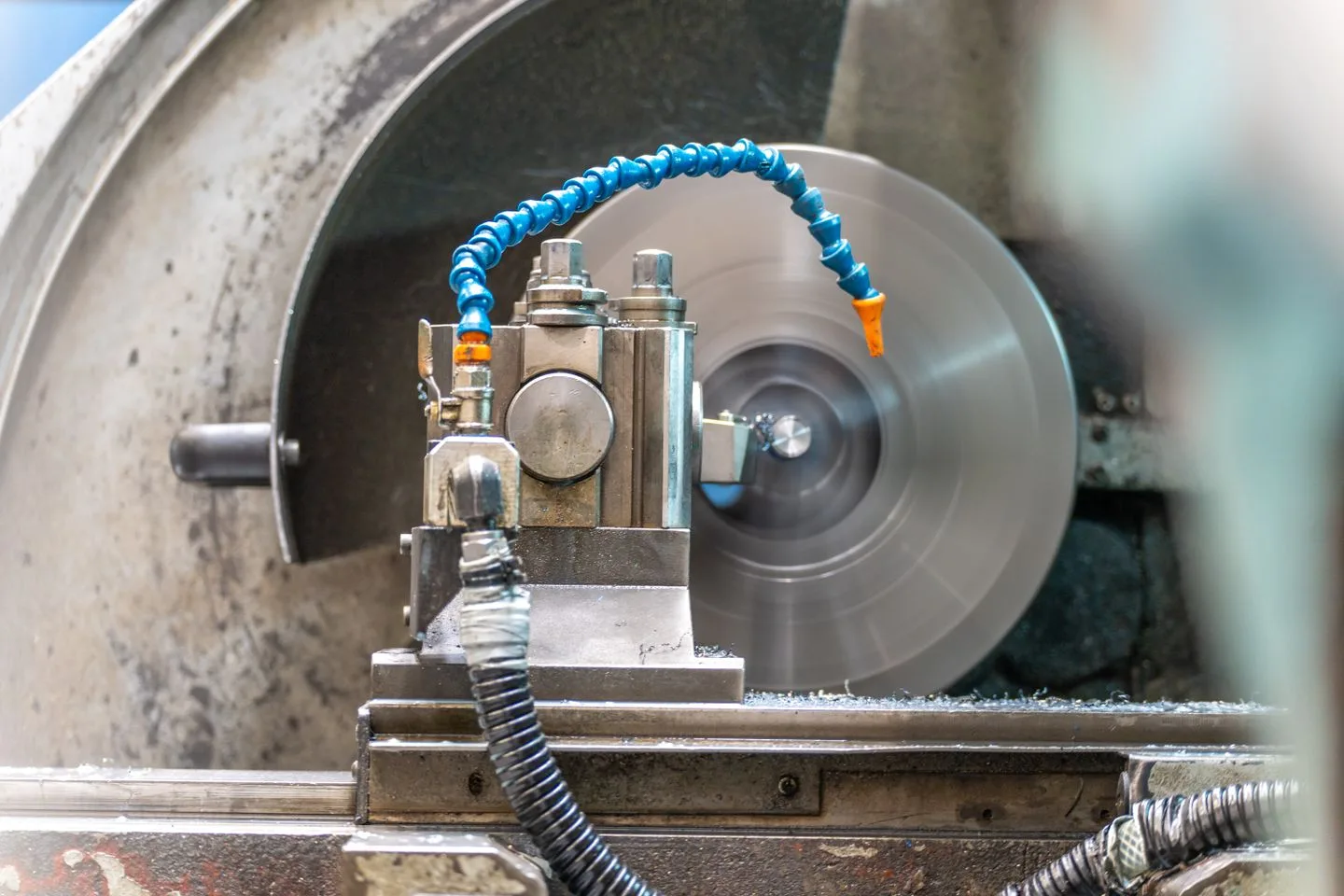
Component precision supports the complete forming process
Accurate components provide a foundation for assembly, but a box forming machine also depends on its settings, tooling, board and operating sequence. Guides must be aligned, fasteners secured and moving assemblies checked for suitable clearance. A successful component inspection therefore leads into an assembly check and a demonstration with the intended packaging material.
When reviewing a Xunding model, bring the blank drawing, finished-box sample and planned size range into the discussion. Ask which adjustments and tooling changes apply to those formats, and agree how the finished boxes will be assessed. The relevant result is the behaviour of the configured machine with your packaging, supported by the component and assembly details behind it.
View the company photo album →
Review machine specifications and acceptance checks →
Explore box forming and carton packaging machines →
Discuss your machine requirements with Jason Chen →
Technical reading: Sandvik Coromant on milling stability and finishing.