


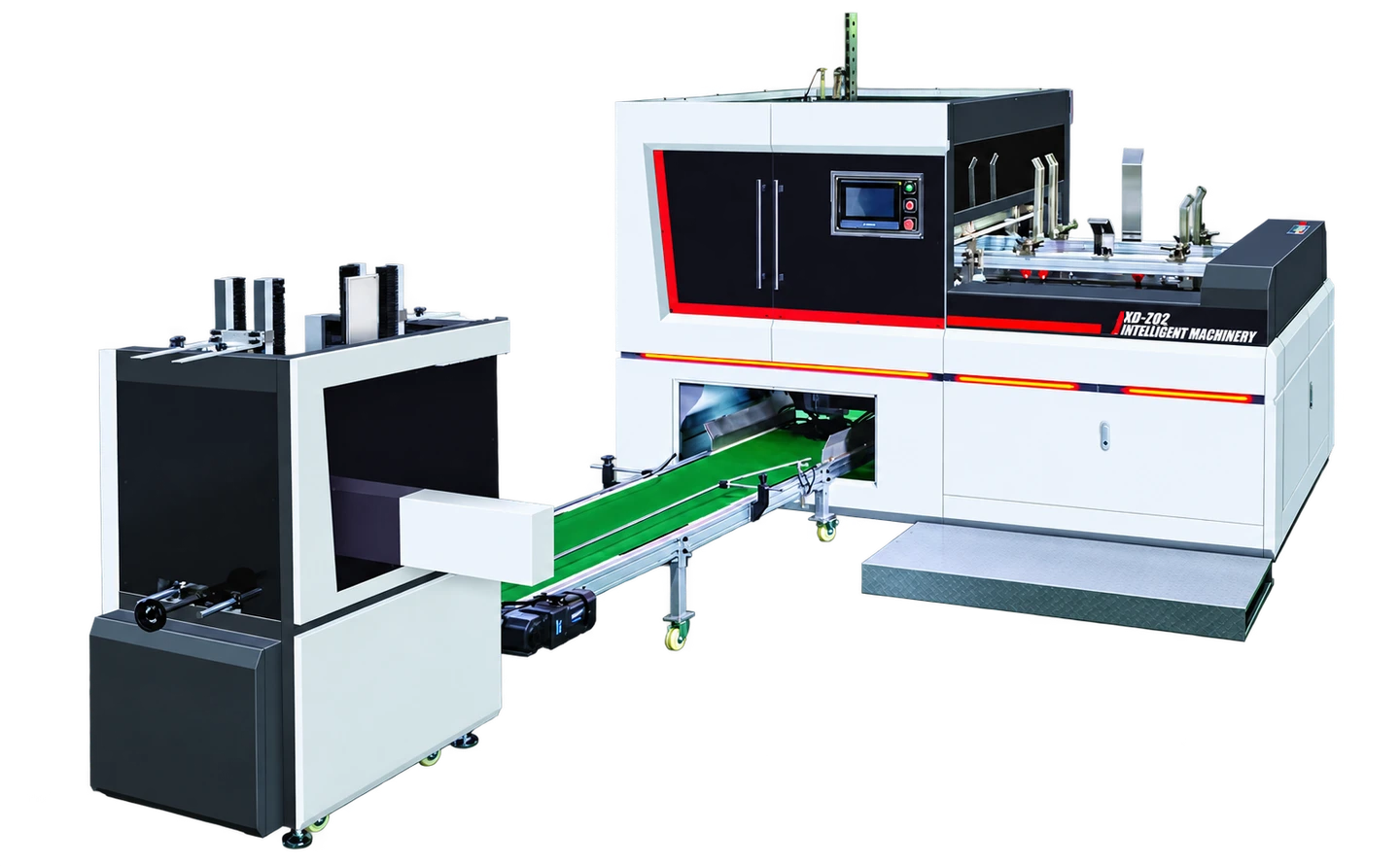
Fruit and vegetable box packaging
Form open produce trays and assembled fruit boxes from the specified cardboard blanks. Ventilation holes, hand openings, corner supports and stacking features belong in the box review.
Explore this application
Packaging applications
Explore box folding, paper carton forming, stretch wrapping, carton sealing and case erecting applications, with package requirements and related catalogue models.
Get a QuotePACKAGING APPLICATIONS
Form corrugated trays, mailer boxes, shoe boxes and self-locking cartons from prepared blanks. Select the machine around the actual folds, joints and finished box.
Form open produce trays and assembled fruit boxes from the specified cardboard blanks. Ventilation holes, hand openings, corner supports and stacking features belong in the box review.
Explore this application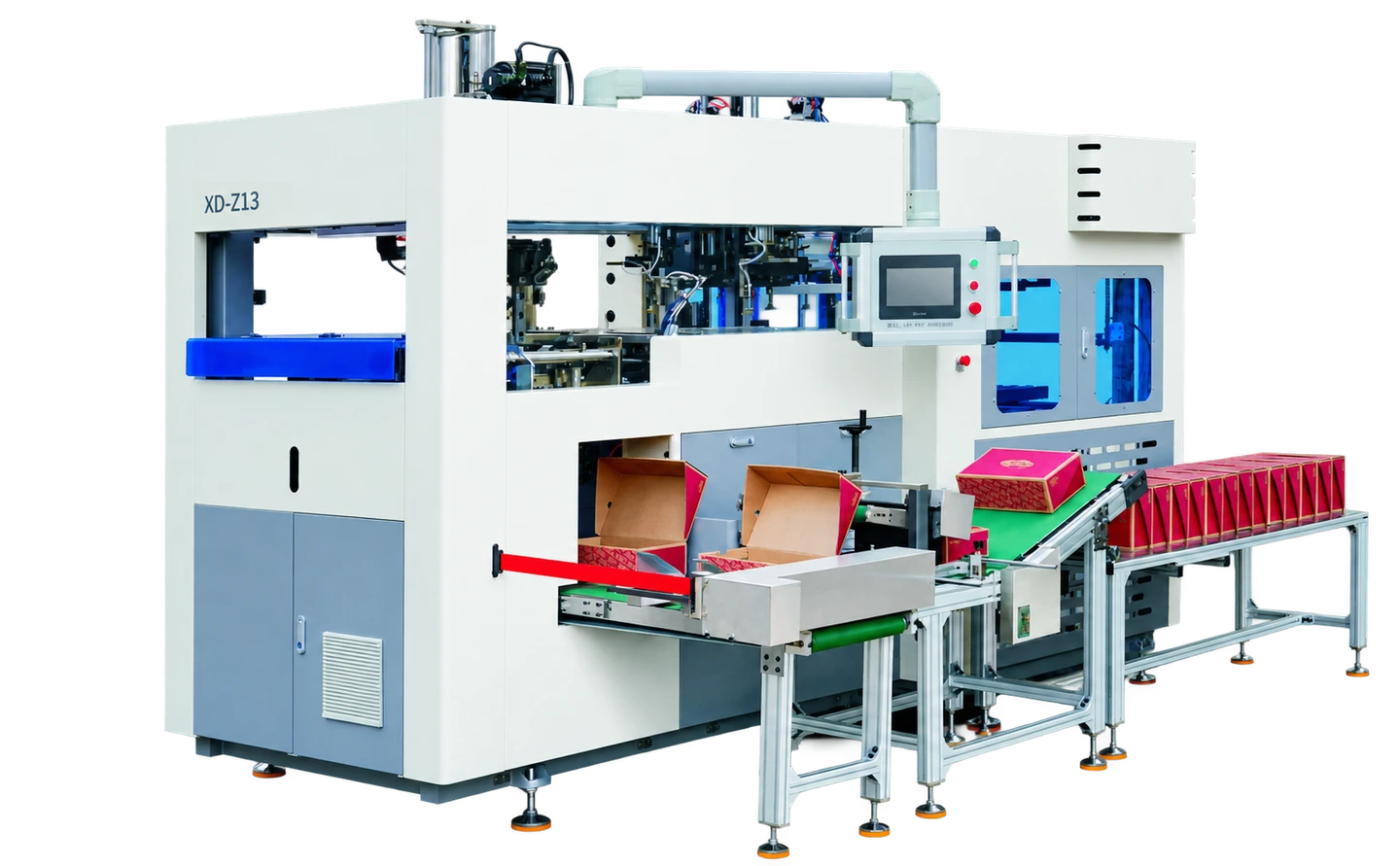
Footwear boxes can use an attached lid or separate lid-and-base components. The opening style changes which folds and pieces the forming machine must handle.
Explore this application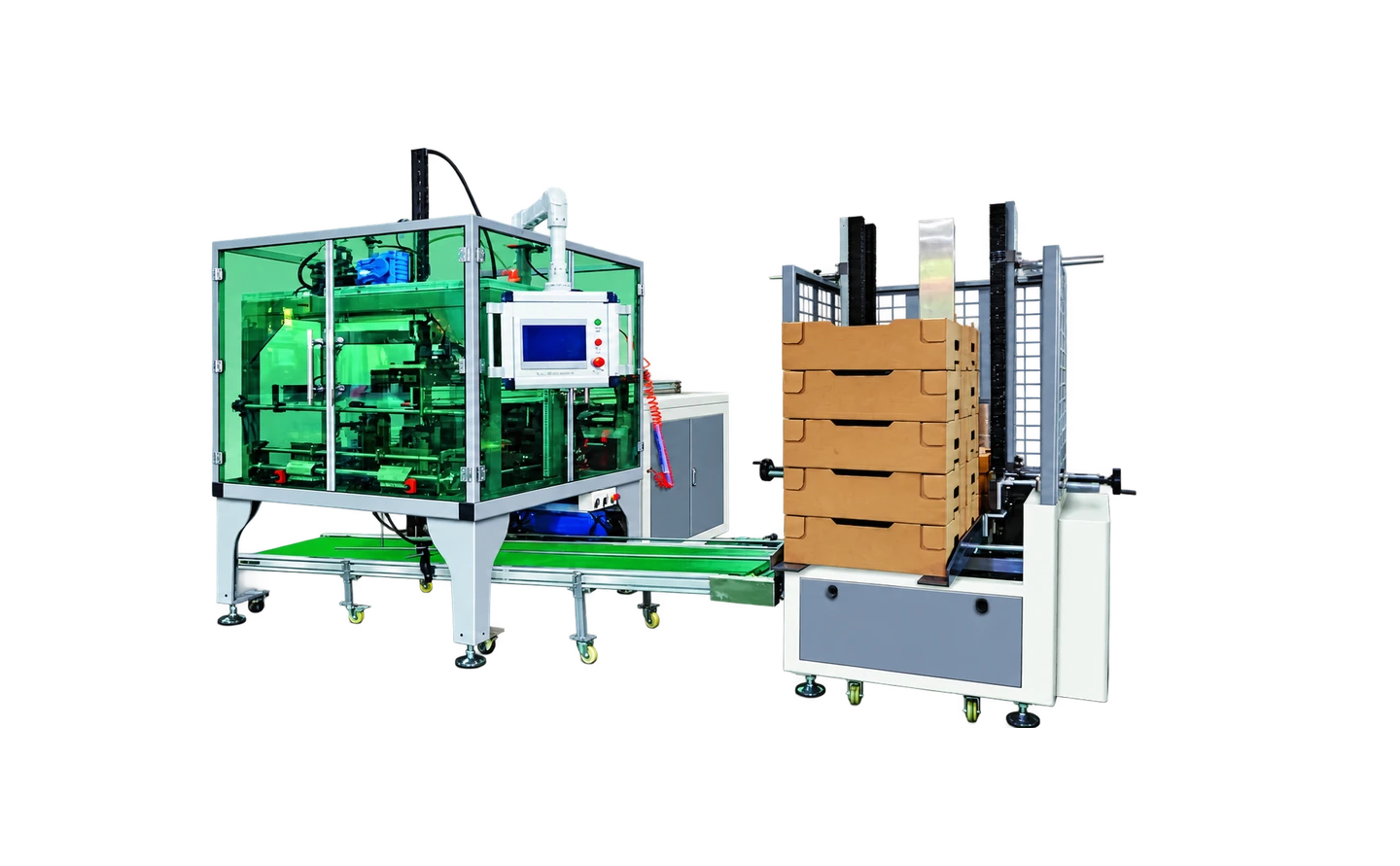
Corrugated food trays and folding cartons require a forming sequence matched to their corners, locks and closure. The product packed inside does not establish machine compatibility.
Explore this application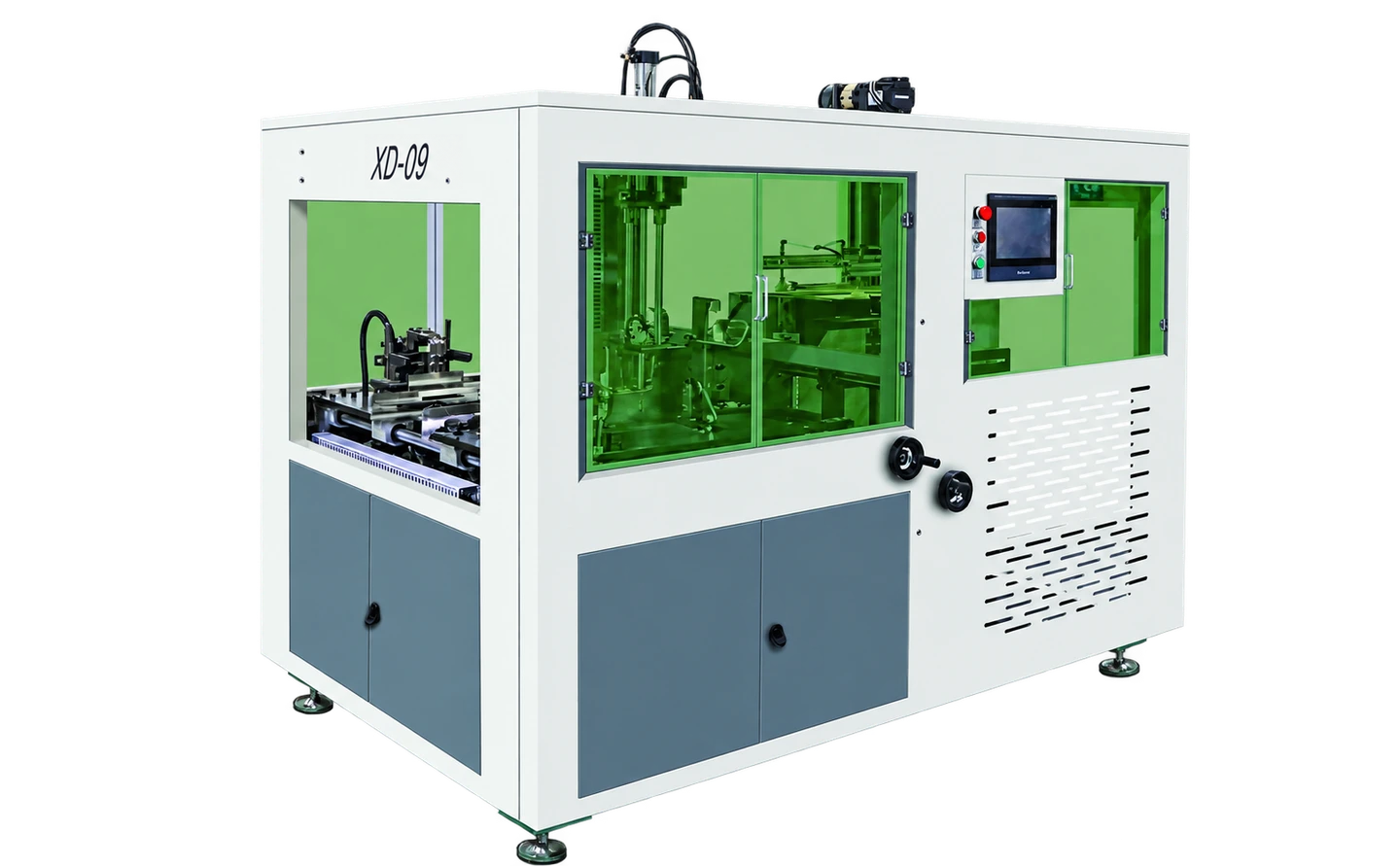
Mailer and lock-bottom cartons can prepare outer packaging for electronic and industrial products. Forming the box is separate from fitting inserts or loading the device.
Explore this applicationOnline-order packing can start with a folded mailer or a separate shipping carton. Confirm the packaging format before choosing between box folding, case erecting and final sealing.
Explore this applicationPACKAGING APPLICATIONS
Form food cartons, small paper baskets and coated-paper containers. Match the blank, coating, rim and compartments to the selected forming process.
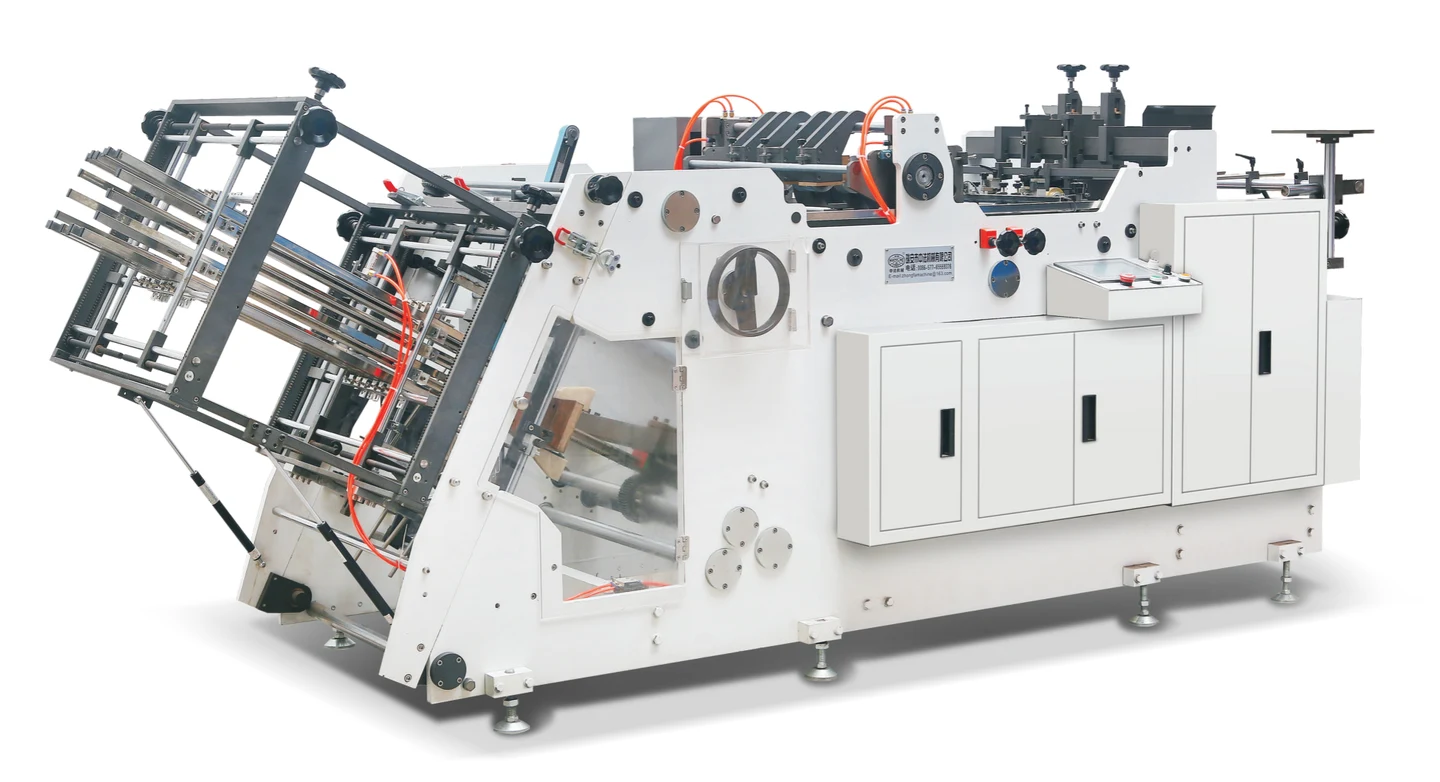
Burger cartons and fry boxes use die-cut paperboard with different wall angles and corner joints. A familiar food-box shape still requires a matching blank, tool and forming sequence.
Explore this application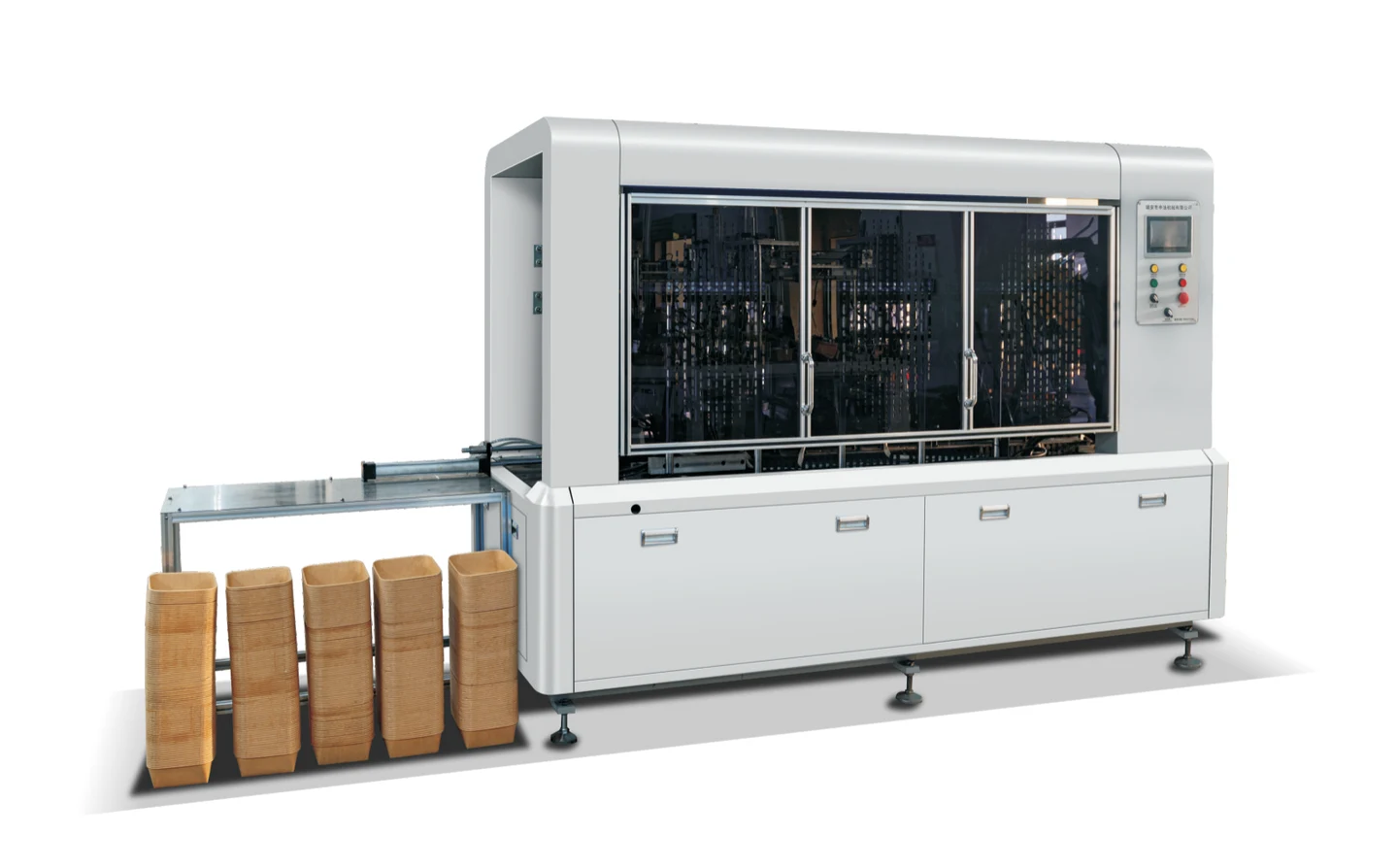
A takeaway container may depend on a formed corner, a curled rim or a sealed coated-paper joint. These features determine the forming process and the lid review.
Explore this applicationSmall produce baskets differ from larger corrugated fruit trays in the blank, corner joint and handling requirements. Hand openings and a shallow wall can change the forming tool.
Explore this application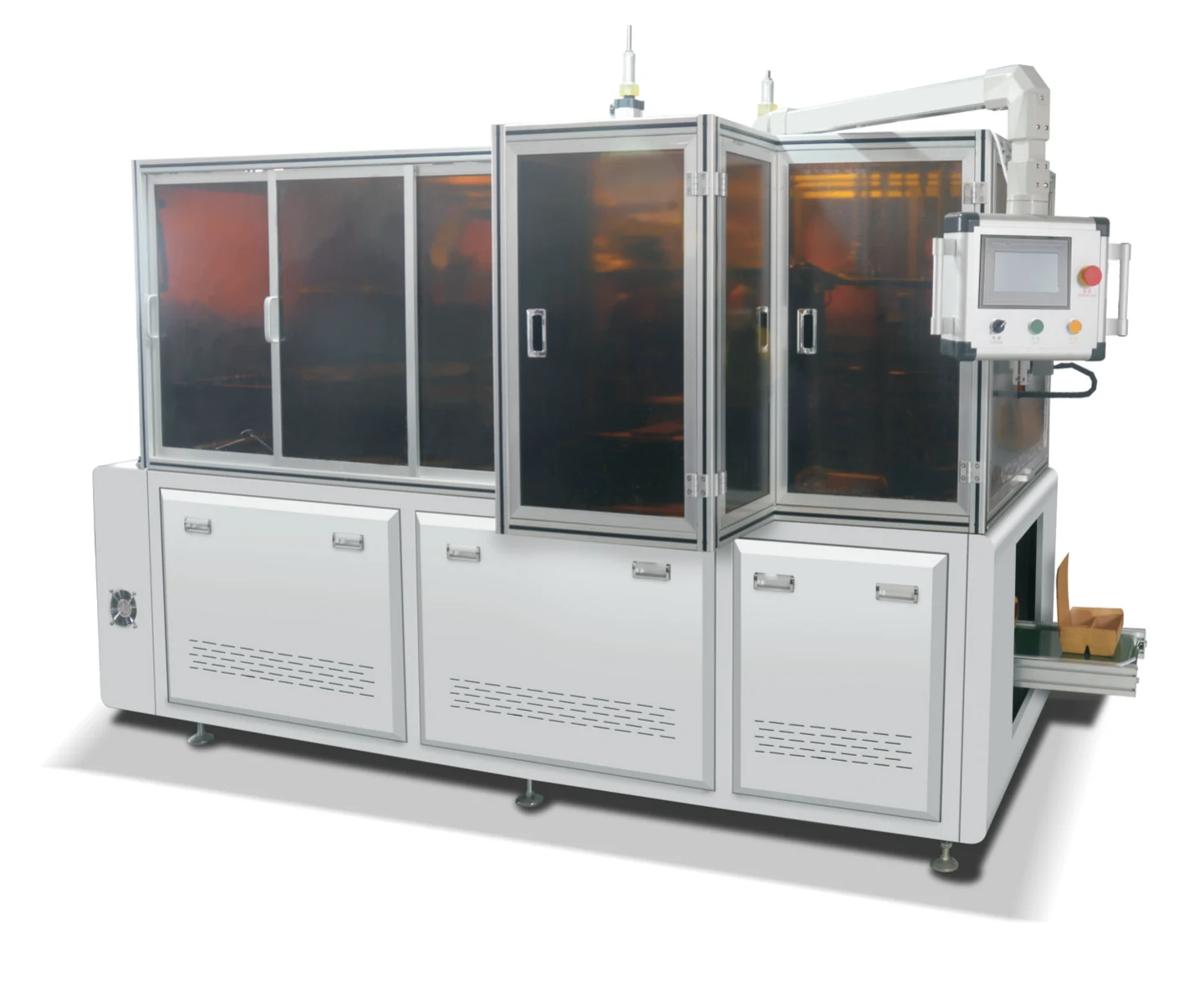
Internal dividers change the forming geometry of a paper lunch box. The number and position of compartments must be considered with the outer walls and lid.
Explore this application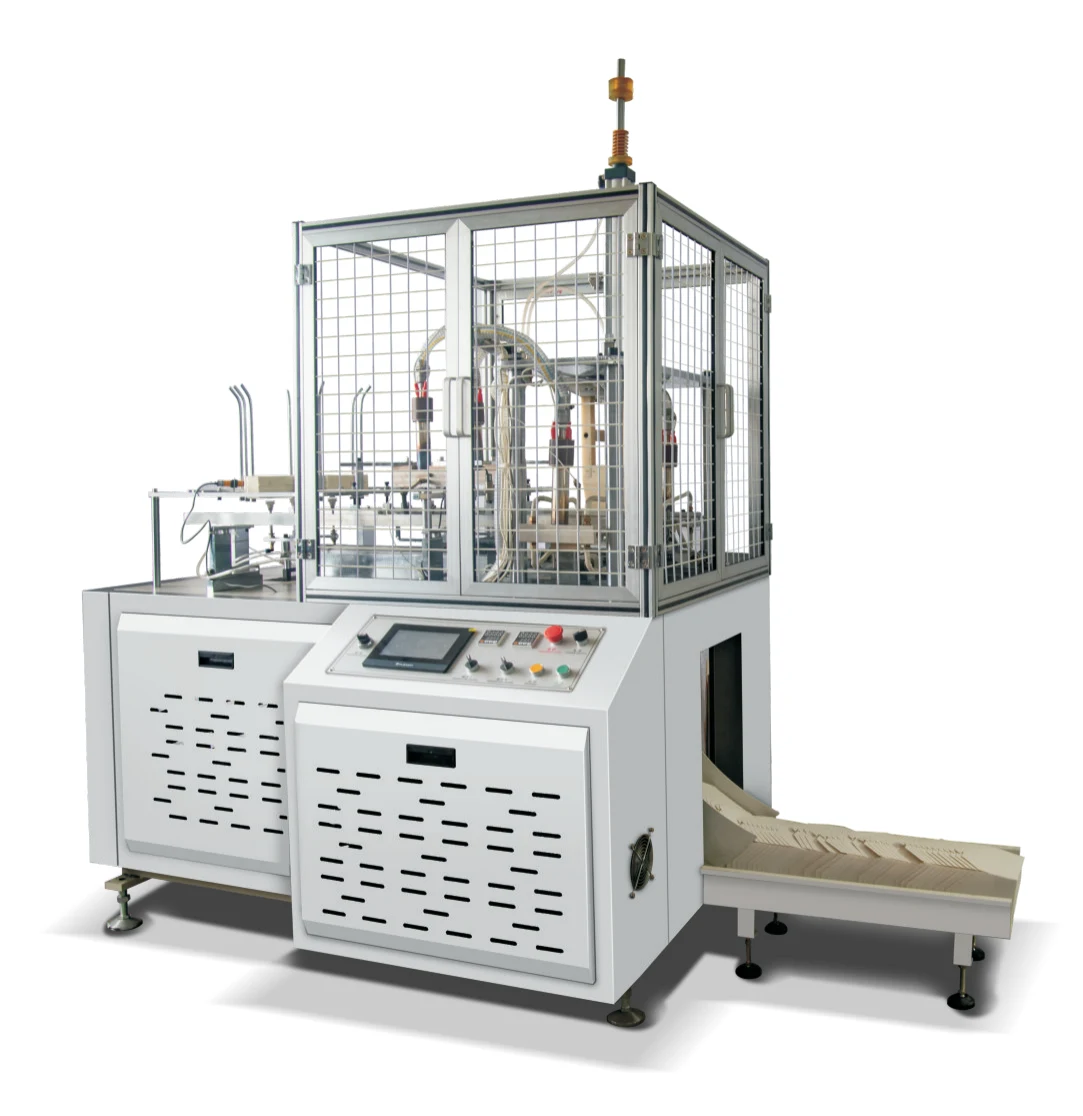
Right-angle, hexagonal and film-sealed containers place different demands on the folds and joining process. A shared outside size does not make the forming tools interchangeable.
Explore this applicationPACKAGING APPLICATIONS
Wrap pallet loads, rolls, coils and long products. Compare how the load moves, the coverage required and the handling arrangement.
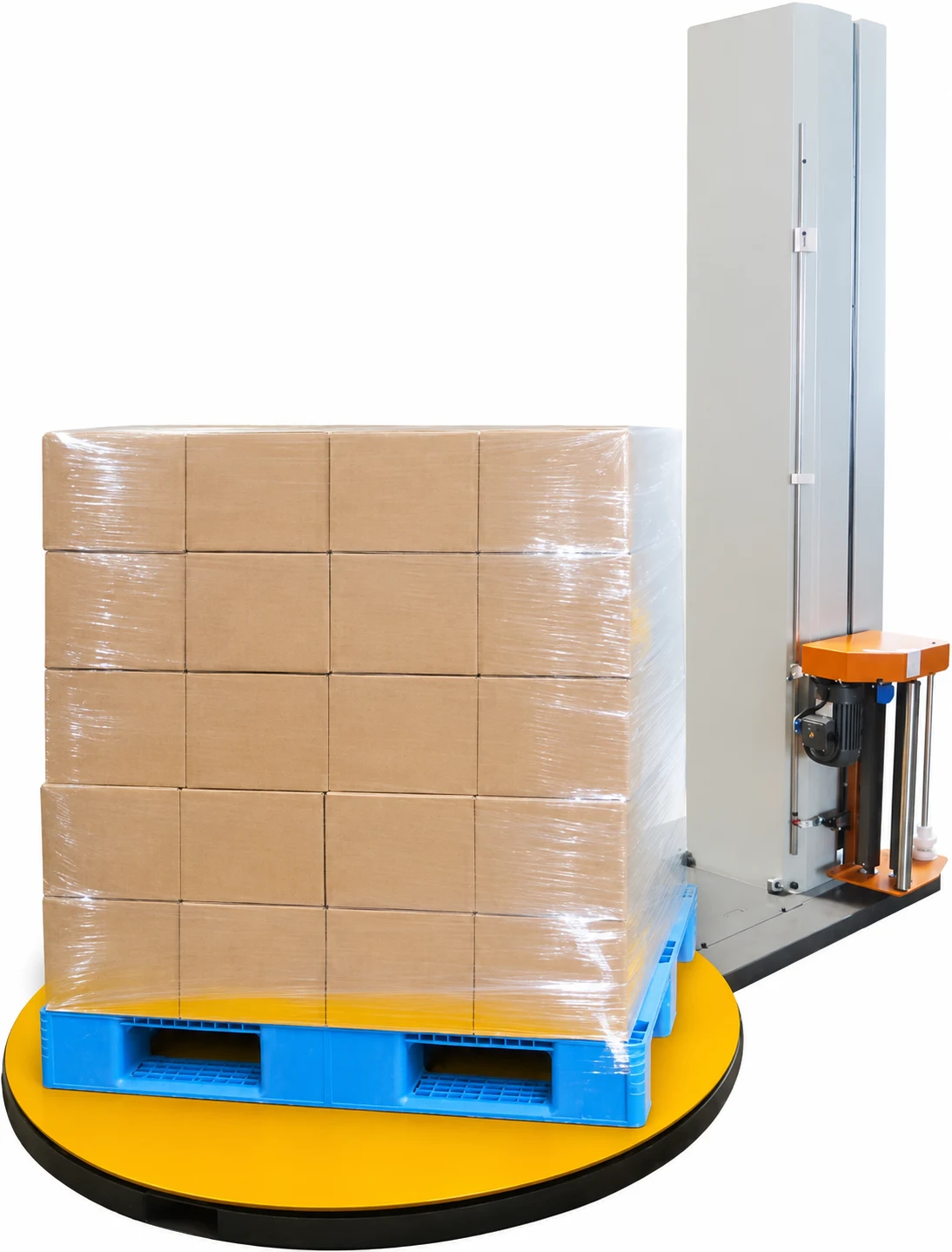
A carton pallet needs a wrapping method matched to its size, mass and stability. The loading method is part of the selection, particularly for an open pallet-truck turntable.
Explore this application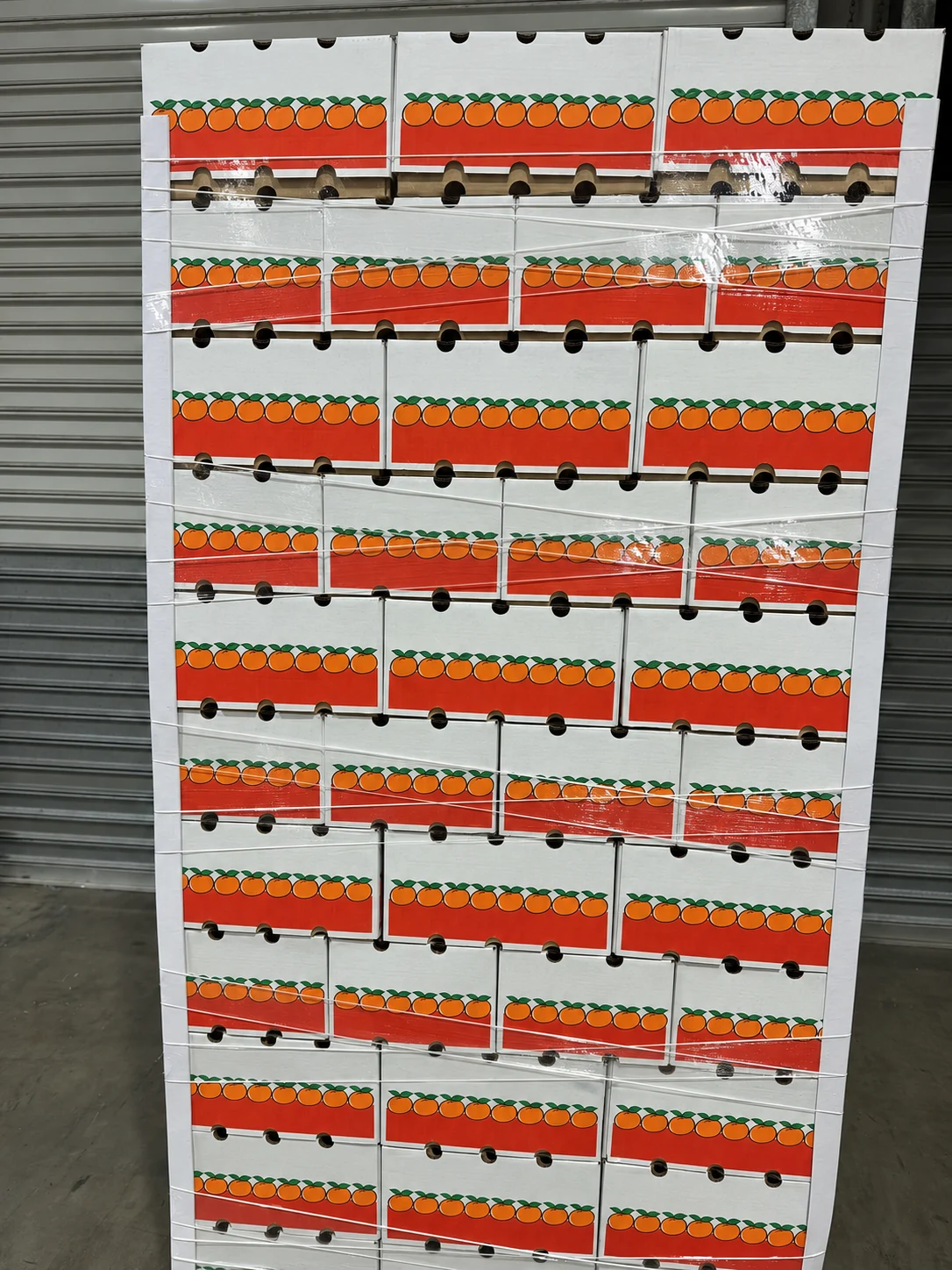
When fruit cartons need gaps in the stretch-film coverage, mark the bands and openings that must remain clear. Do not assume a standard wrap pattern preserves the required gaps.
Explore this application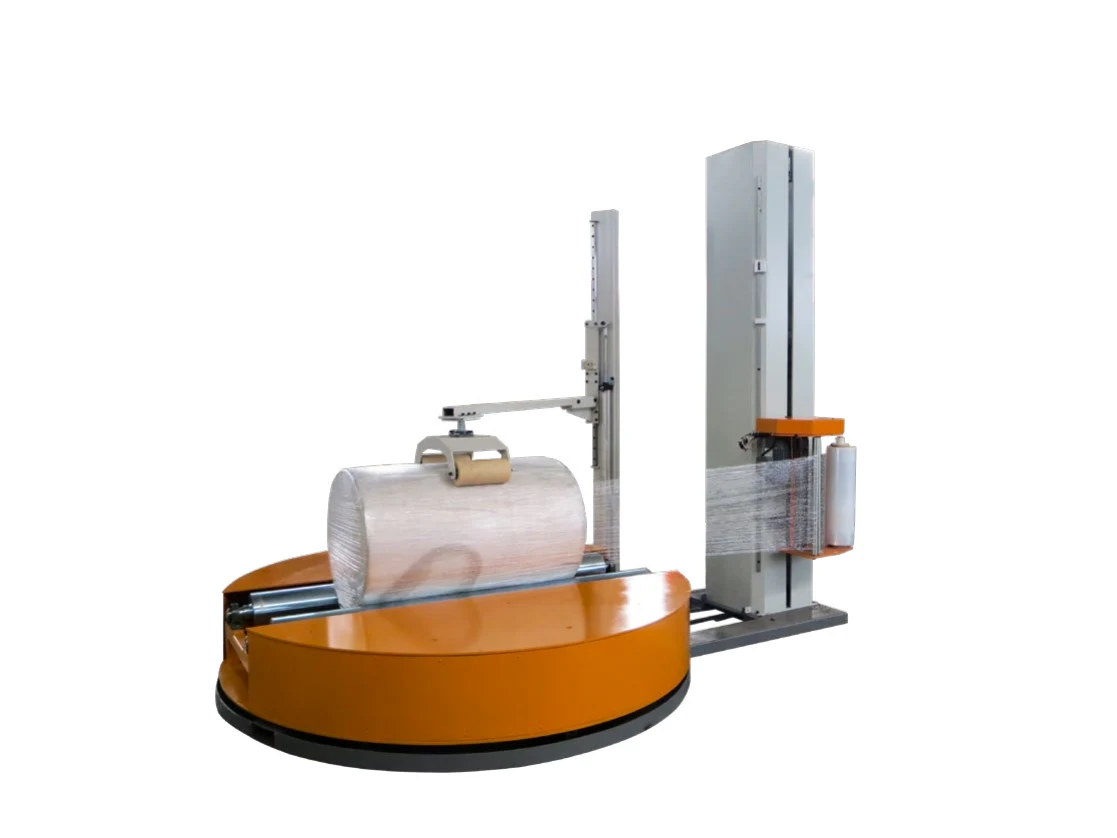
Roll packaging depends on whether the wrapping must cover the cylindrical surface, the end faces or the complete roll. Axial and radial arrangements perform different wrapping movements.
Explore this application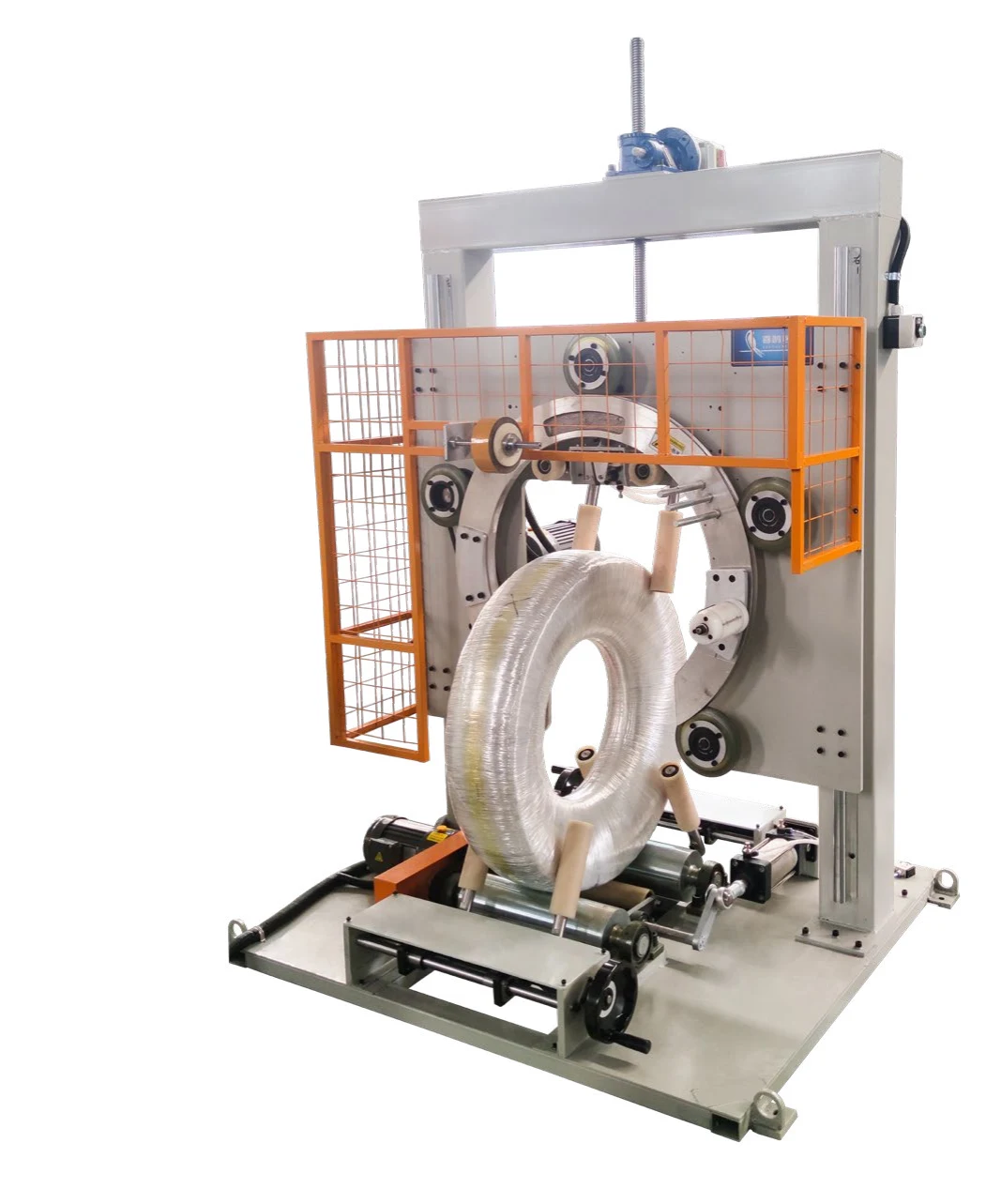
Coils and ring-shaped products require wrapping material to pass around a supported section and through the available opening. Bore size, outside diameter and face width govern the arrangement.
Explore this application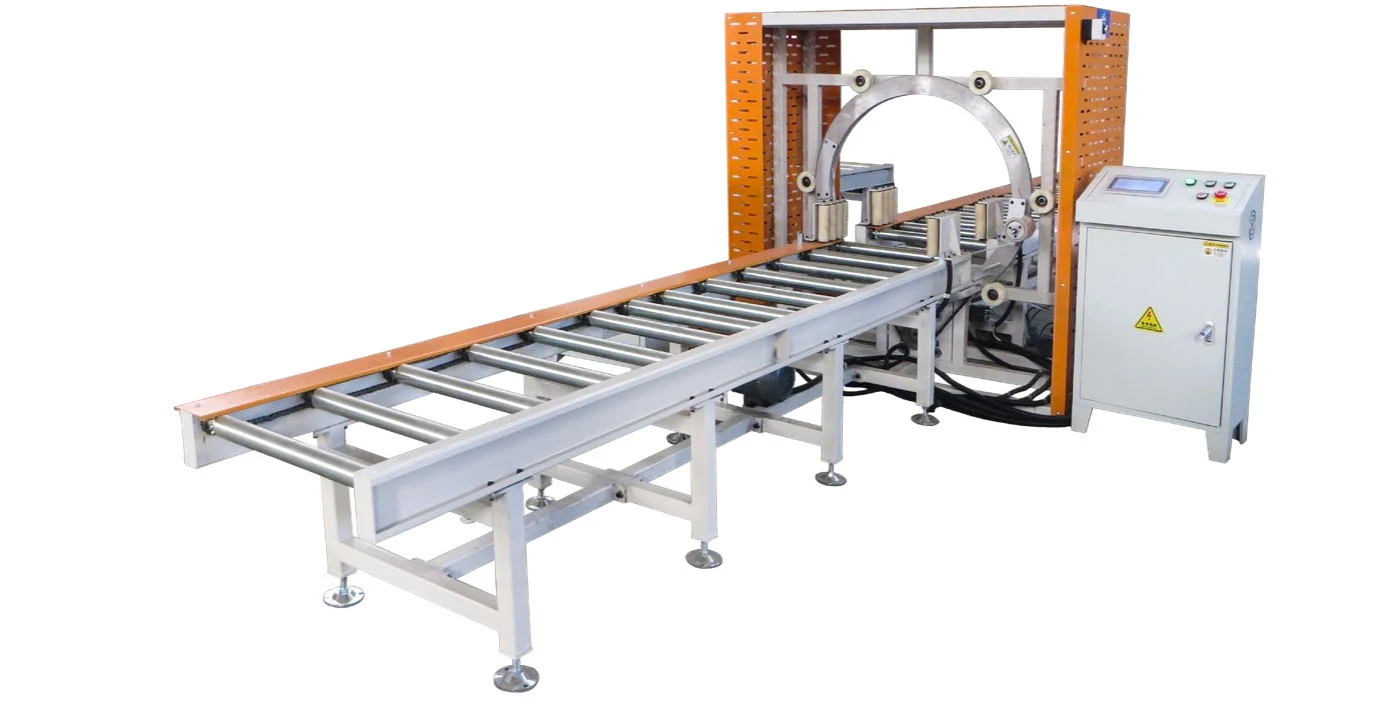
Long products can be wrapped as they advance through an orbital ring. The cross-section, length and support points determine the ring clearance and conveying layout.
Explore this application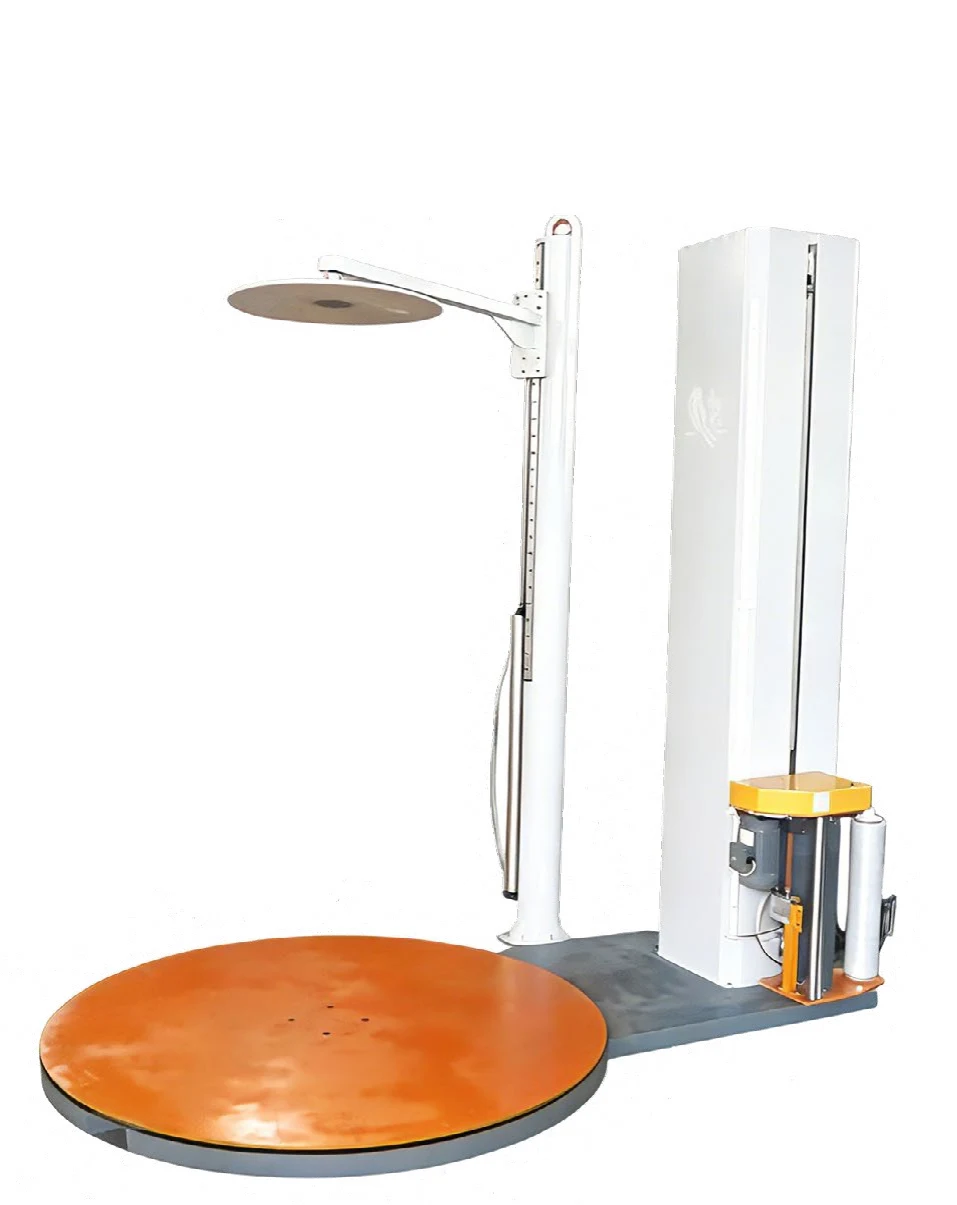
Light or tall loads may move during wrapping, while small individual packages may have no pallet. Decide how the product is supported before choosing a wrapping movement.
Explore this applicationPACKAGING APPLICATIONS
Close packed cartons with tape, with separate choices for flap folding, size adjustment, edge taping and strapping.
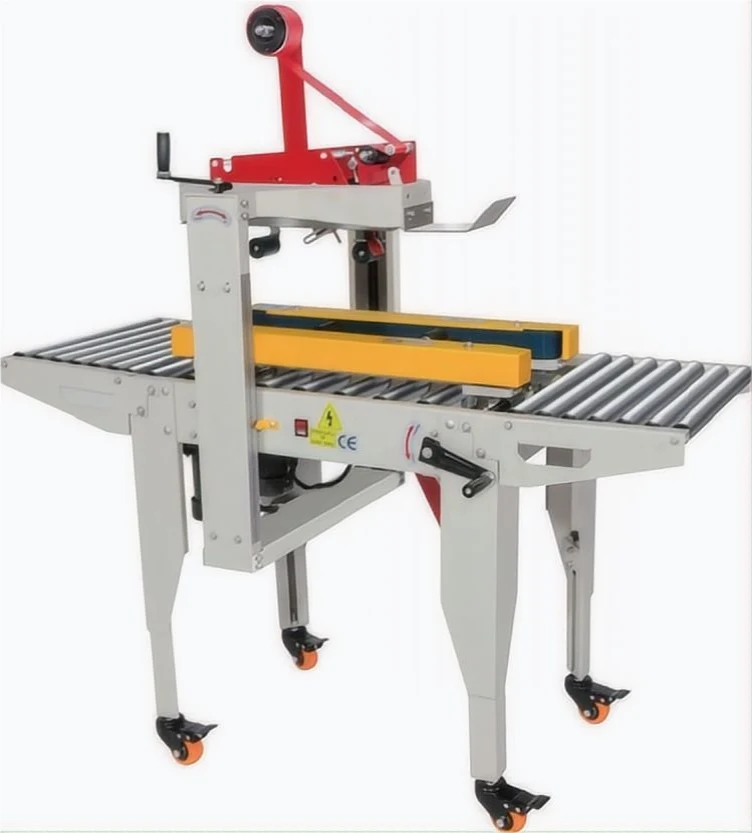
Small dispatch cartons and mailer boxes have different lid and flap presentations. Check the box as it reaches the sealer after product loading.
Explore this application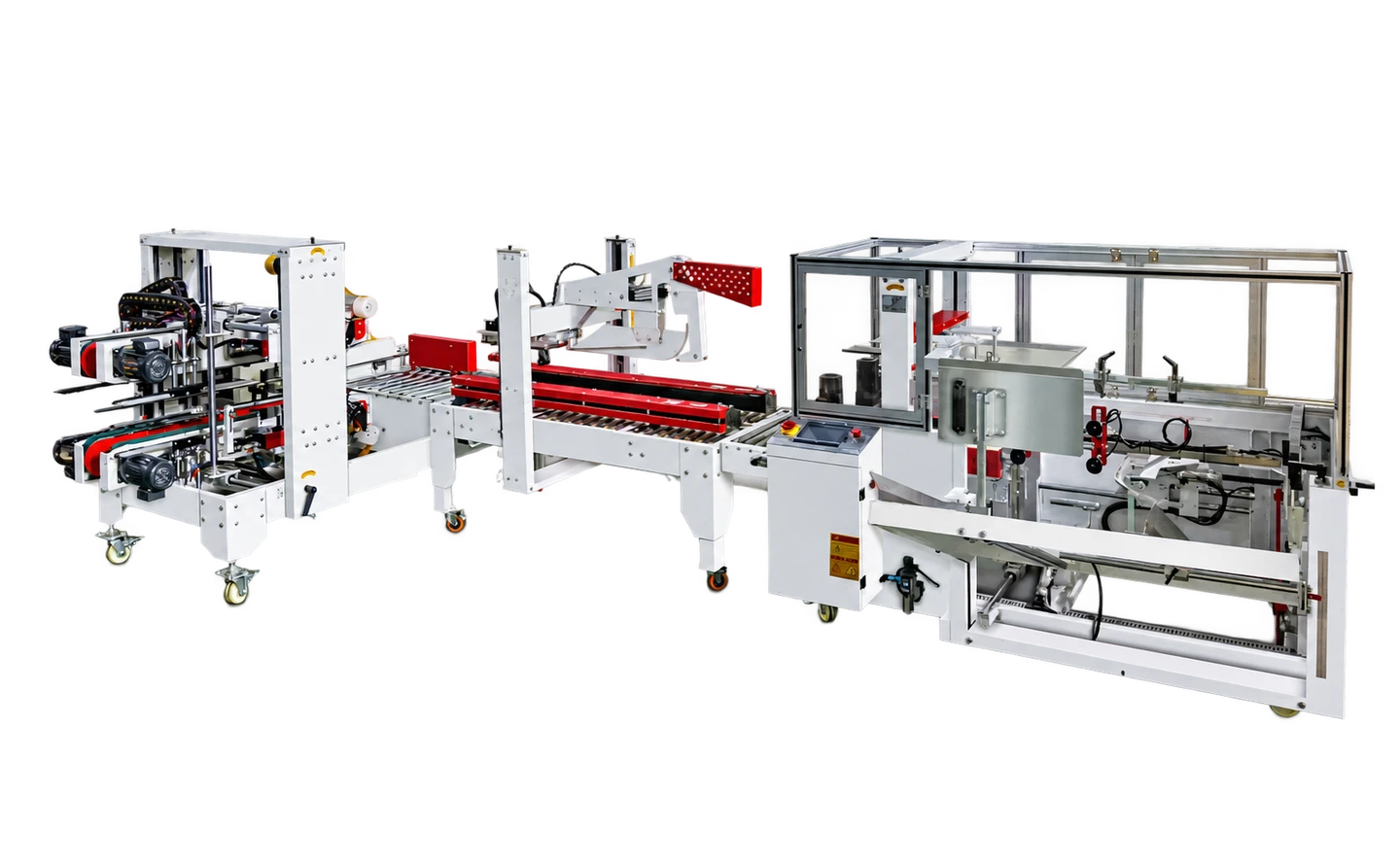
The sealing task concerns the assembled outer shipping carton, not the primary food container. Review the filled carton, top flaps and intended centre-seam tape pattern.
Explore this application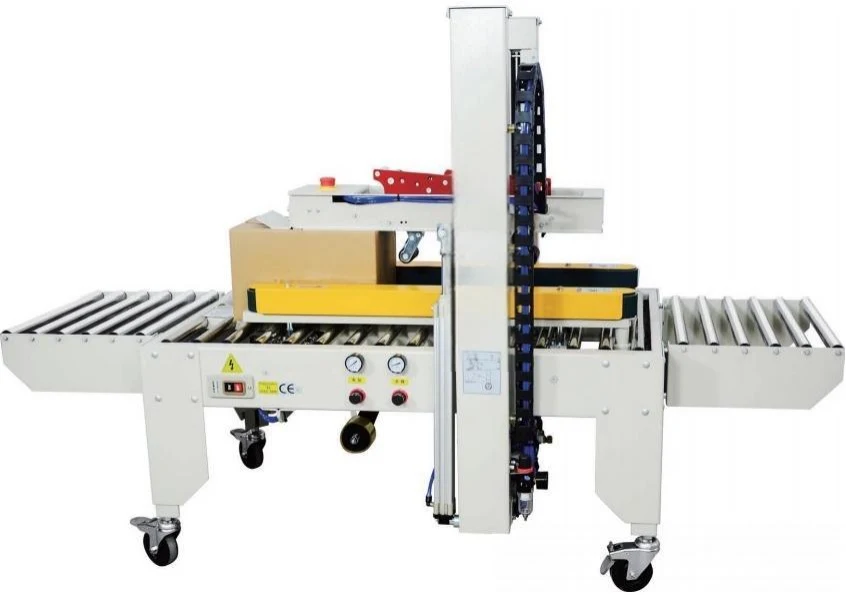
Changing carton size between batches is different from handling different sizes one after another. The adjustment method must match the actual arrival sequence.
Explore this application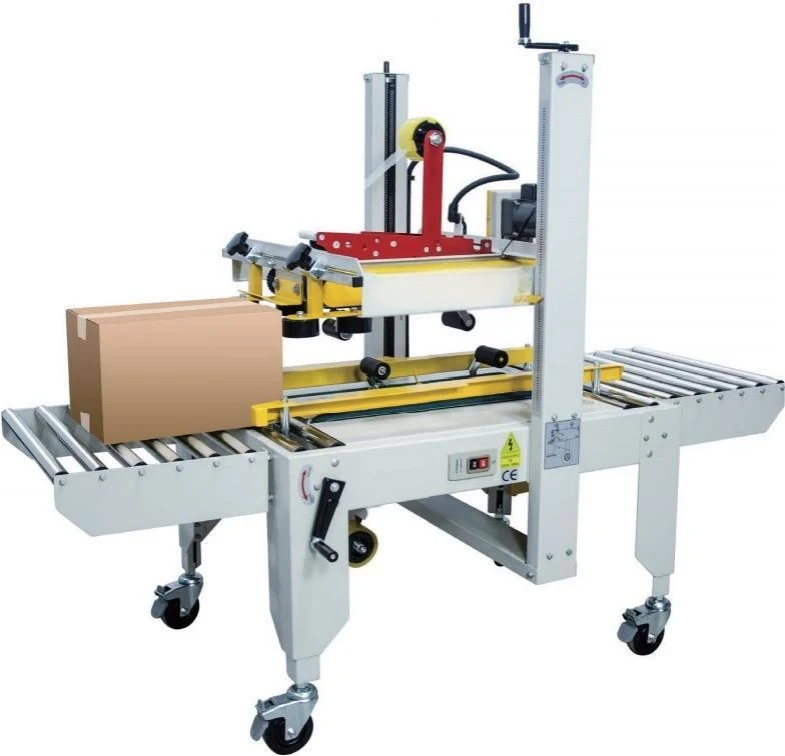
Tall or narrow cartons need stable belt contact during tape application. A side-opening carton introduces a different seam location and orientation.
Explore this application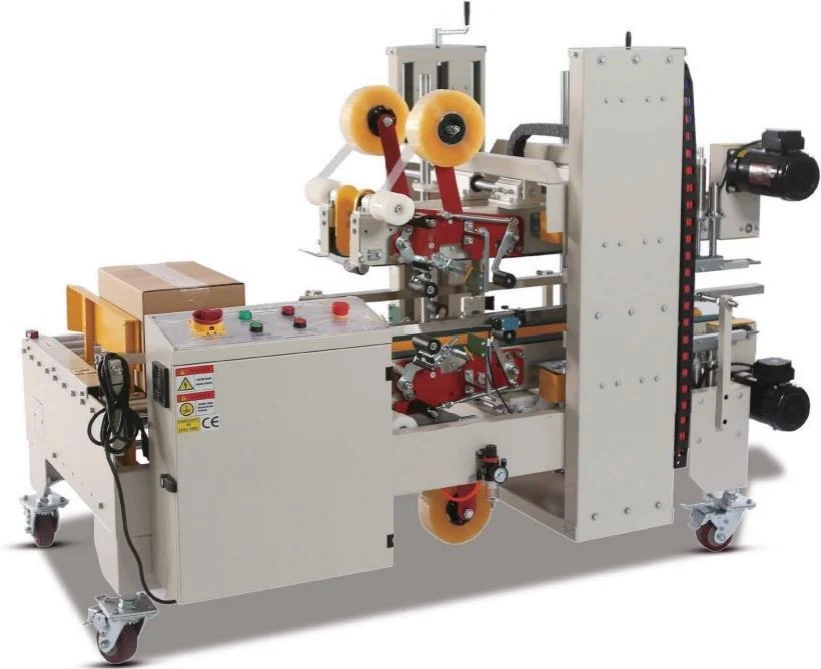
Some shipping specifications call for edge tape after the centre seam has been closed. The two operations require a defined carton transfer and orientation.
Explore this applicationPACKAGING APPLICATIONS
Prepare empty shipping cases by opening the blank, folding the base and sealing the bottom before product loading.
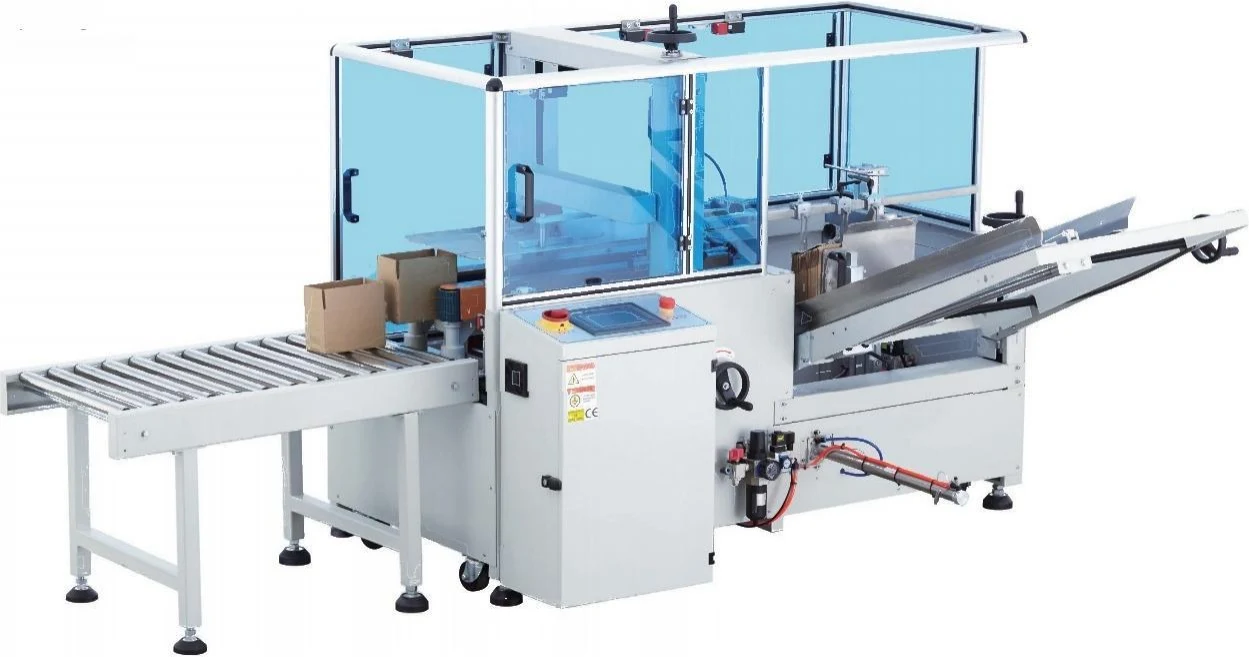
Small dispatch cases must open reliably before products are loaded. Short panels and narrow blanks make the actual crease and pickup geometry important.
Explore this application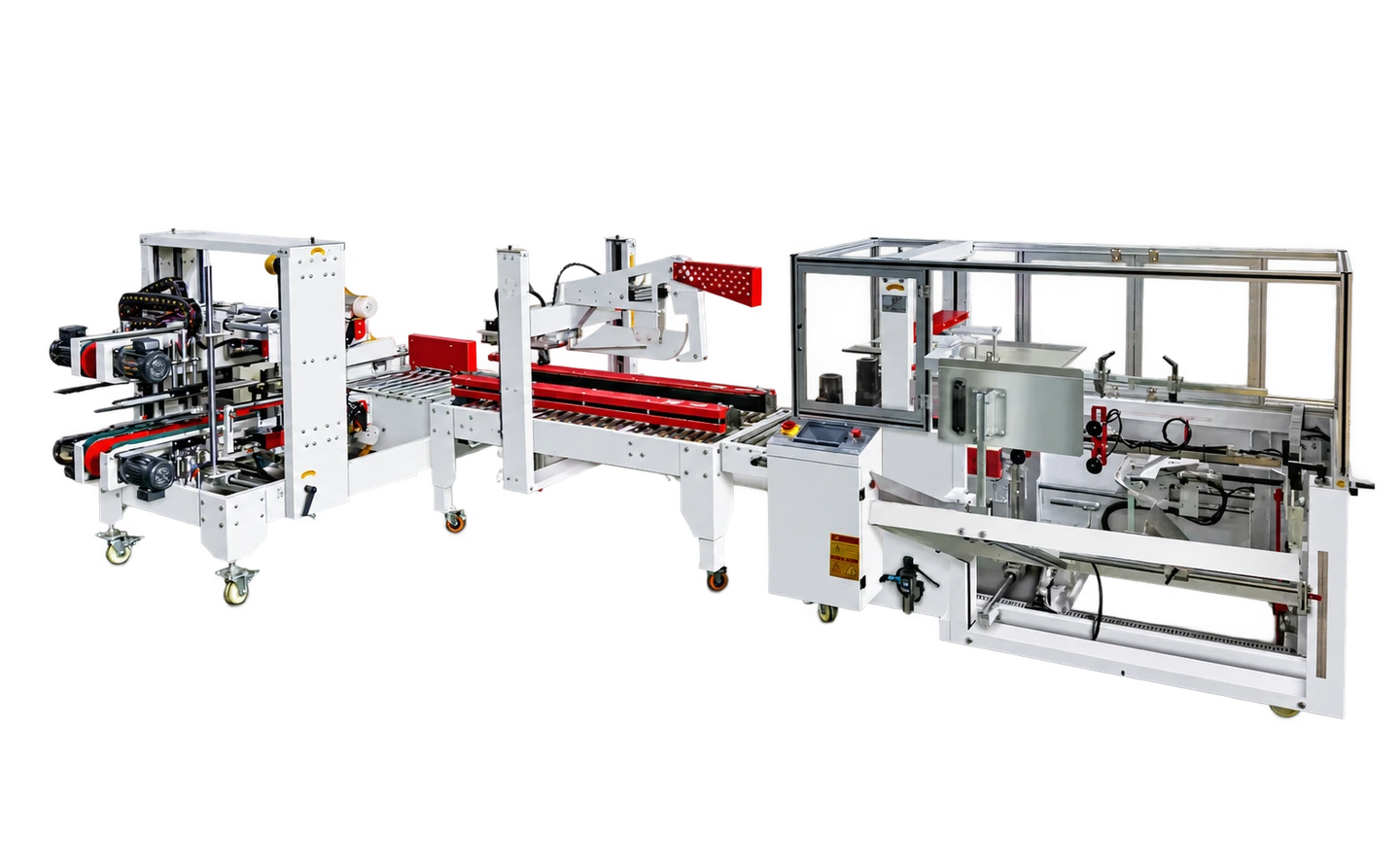
A case erector prepares the outer shipping box for a later packing operation. Its carton orientation and discharge height must suit the loading team or case-packing equipment.
Explore this application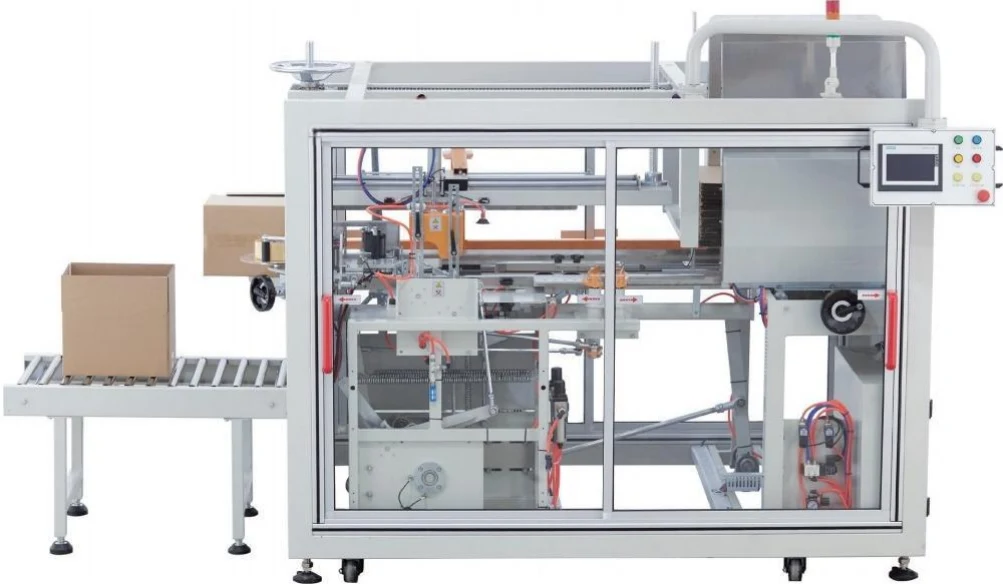
A production-rate target must account for accepted erected cases, blank replenishment and the next packing operation. Catalogue rates are not a guarantee across every board and case size.
Explore this application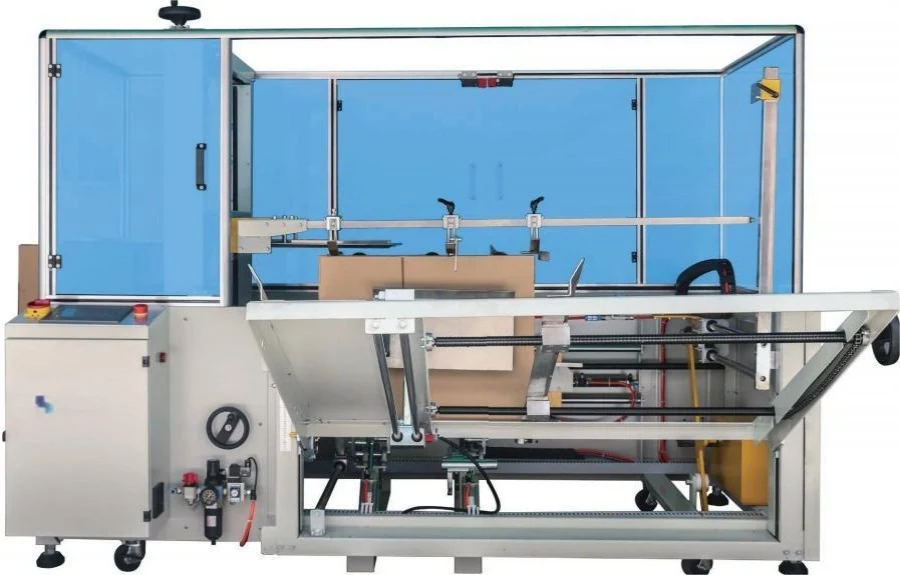
Large carton blanks need sufficient magazine support and room to open, fold and transfer. Floor space and access should be reviewed alongside the listed finished dimensions.
Explore this applicationPACKAGING APPLICATIONS
Stack packed cartons with fixed-base or lift-column workstations. Match robot payload, gripper mass, pallet pattern and placement height to the actual line.
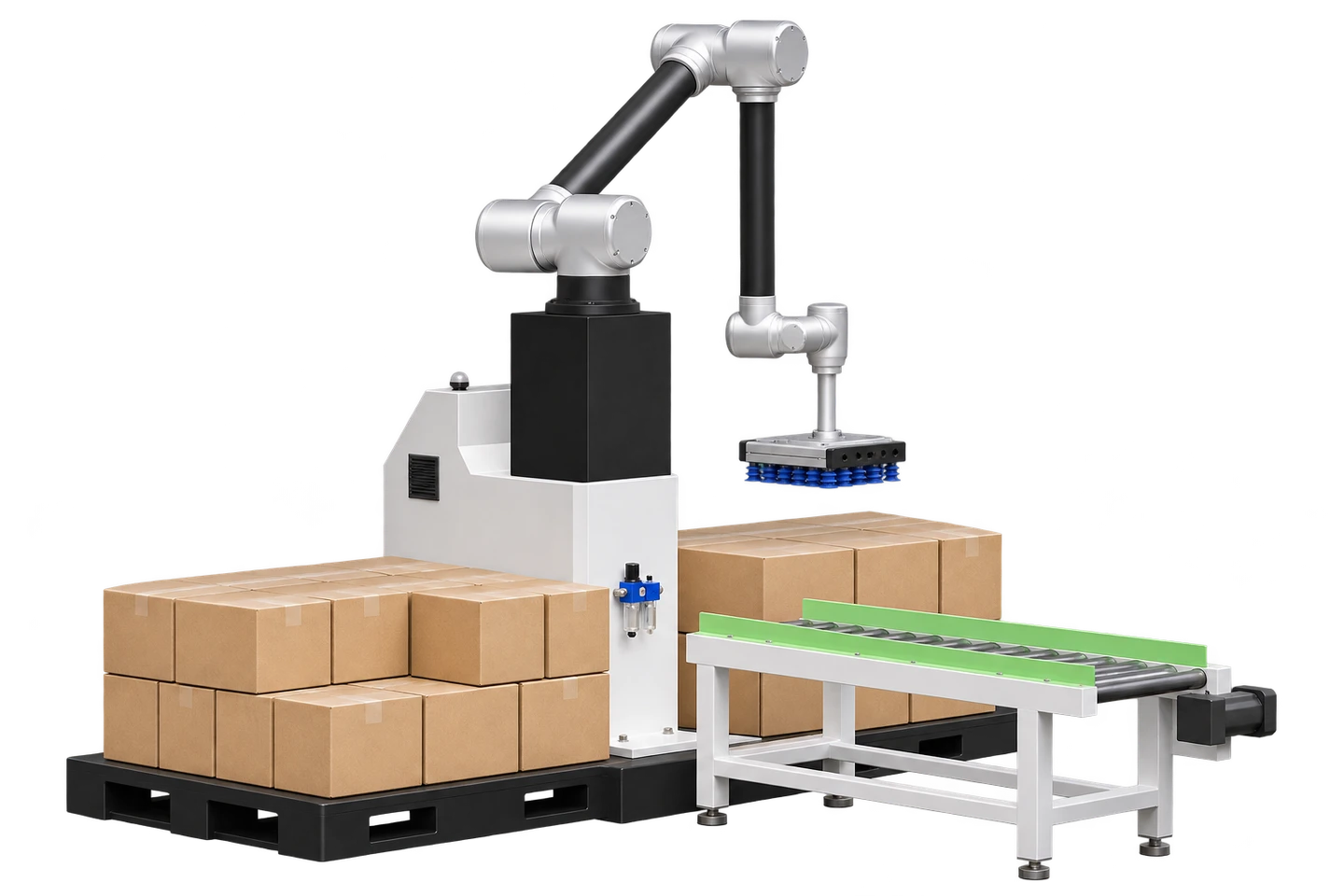
Move filled, sealed cartons from the packing line onto a planned pallet pattern. The carton top, case orientation and layer arrangement determine how a collaborative robot can pick and place the load.
Explore this applicationA heavier carton needs a payload review that includes the end effector. A robot rating is the combined lifting allowance for the selected tool and product, rather than a promised carton weight.
Explore this application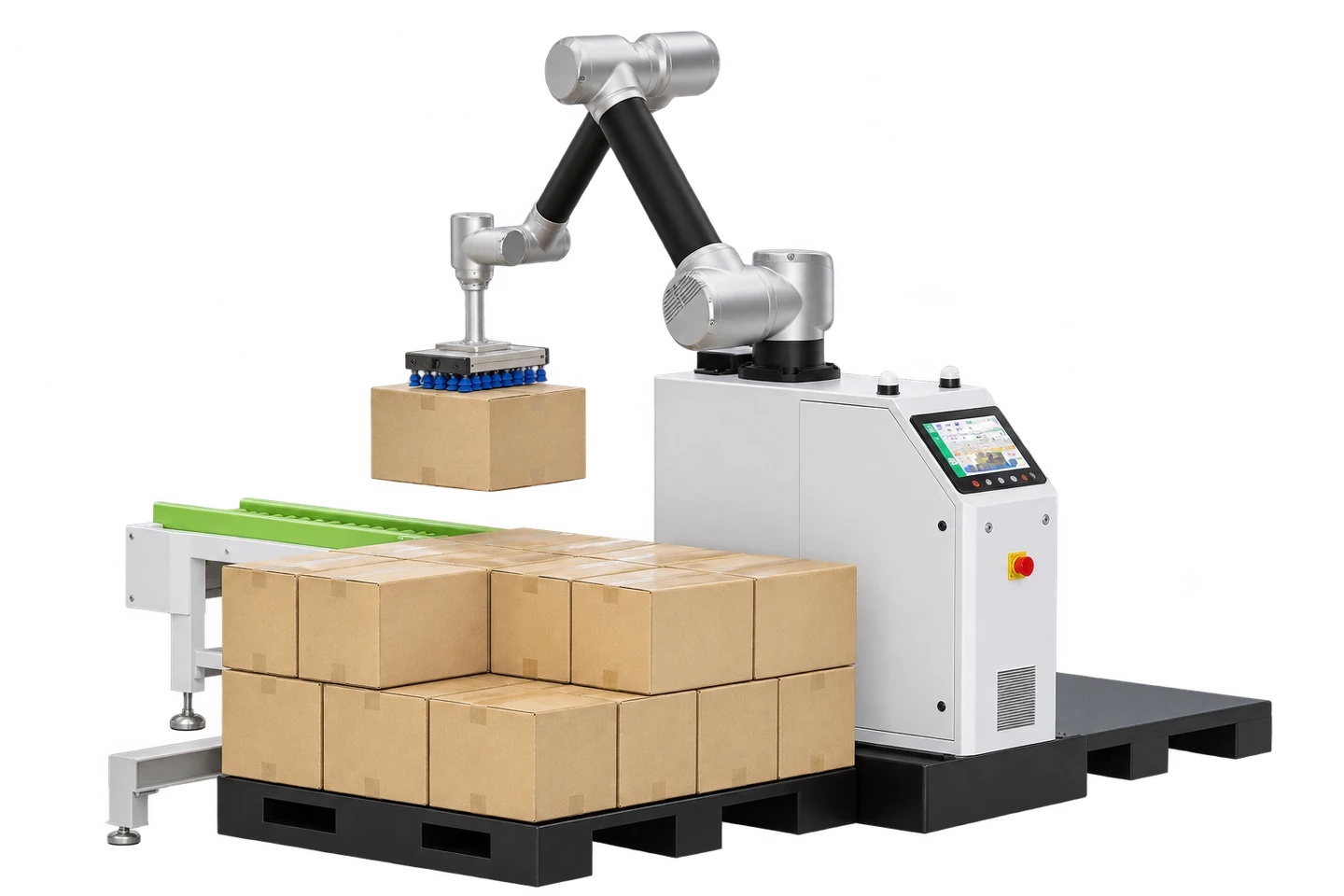
As a pallet grows, the robot must still reach the highest layer and farthest corner without colliding with the load or surrounding equipment. A lifting column changes the working elevation during the layer sequence.
Explore this applicationDifferent carton sizes can require different gripping positions, layer patterns and stacking sequences. Plan a controlled recipe change between batches before assuming that one setting will handle every order.
Explore this applicationA palletizing cell connects case discharge with full-pallet handling. Its useful line output depends on carton arrival, picking, empty-pallet supply and the route to the wrapping operation.
Explore this application