


XD-KX450
Automatic carton erecting machine
Automatic opening and erecting equipment for shipping cartons. Confirm the carton blank and tape-sealing requirements for your packing line.
PRODUCT CATEGORY
Automatic opening and erecting equipment for shipping cartons. Confirm the flat carton, finished dimensions and bottom-closing requirements before planning your packing line.
Start with the shipping carton you buy, in the state in which it arrives at your packing station. A case erector opens a flat case, squares it and prepares the bottom so the case can be filled. The right machine depends on the carton construction, the range of sizes and the way empty cases reach the packing position. A photo of a finished box on its own leaves those decisions open.
Put an incoming flat case next to an open one. Mark the panel that reaches the machine first, the location of the manufacturer's joint and the bottom flaps. If a die-cut blank needs its walls folded and glued to create a tray, show the complete blank as well. That drawing changes which machine family should be considered. Keep the carton supplier's product name with the samples so the selected case can be traced later.
Send the length, width and height of the formed cases. Where the shortest case is also unusually narrow, identify that exact case instead of giving separate minimum figures. Include a normal production carton and details of how many cartons are run before each changeover. Ask which sizes can share one setting and which require a planned adjustment or a separate trial.
Watch the case leave the erector, reach the packing position and wait for filling. Record its orientation, the transfer height and where an operator or downstream station takes over. Examine the bottom closure after the normal transfer. If filling stops at intervals, also agree whether the erector should pause or send cases to an available buffer. These conditions belong on the drawing used for the quote.
Send the flat and erected samples, the carton sizes, available floor space and the required cases per hour. Use the carton erecting machine range to shortlist the equipment. If top sealing is also needed, add that step after filling on the same plan. Ask for a written trial scope that identifies which cartons will be counted as accepted and which handovers will be tested.
MODEL SELECTION
Compare the forming, handling and adjustment requirements against your actual package.
XD-KX450
Automatic opening and erecting equipment for shipping cartons. Confirm the carton blank and tape-sealing requirements for your packing line.
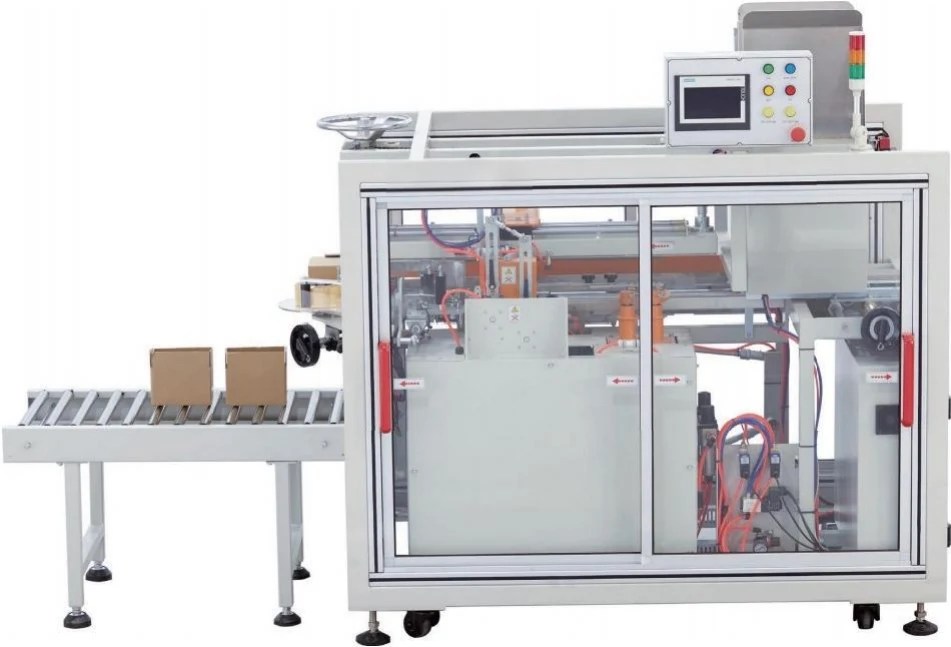
HPK-30G
This configuration opens small flat shipping cartons, folds the bottom flaps and applies the bottom tape. Review the complete blank and its delivery to the opening section.
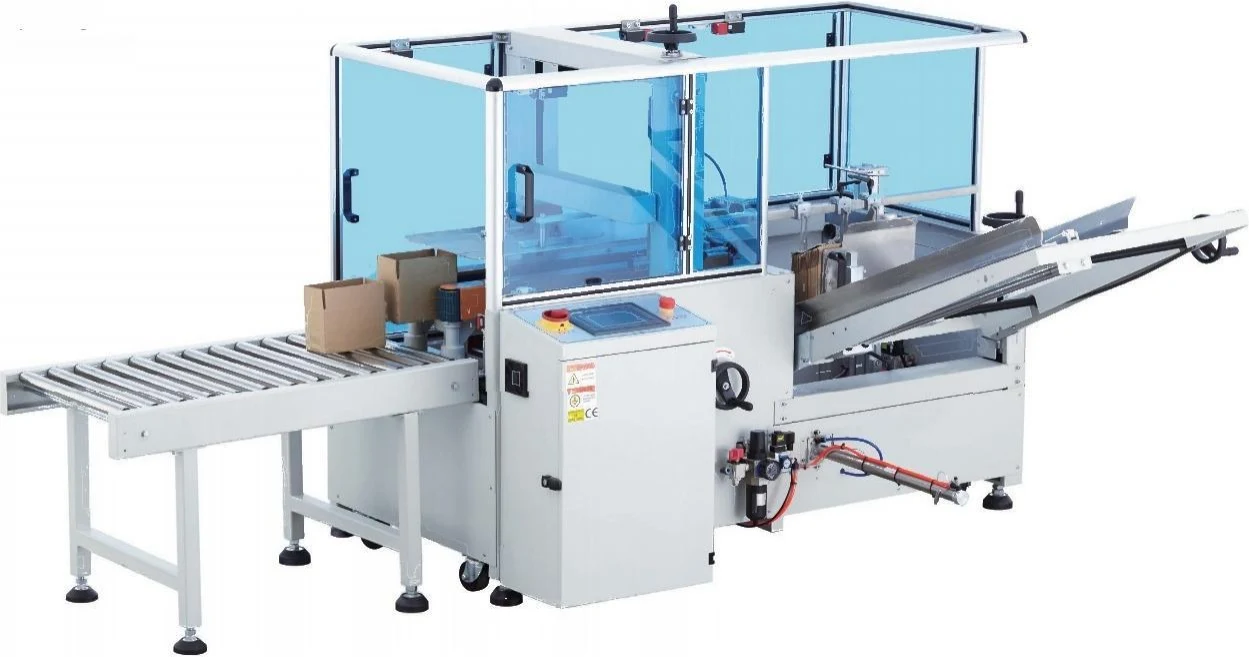
HPK-30
The small-carton erector prepares empty shipping cases for a separate product-loading operation. The blank, crease quality and bottom joint determine whether the carton opens and travels correctly.
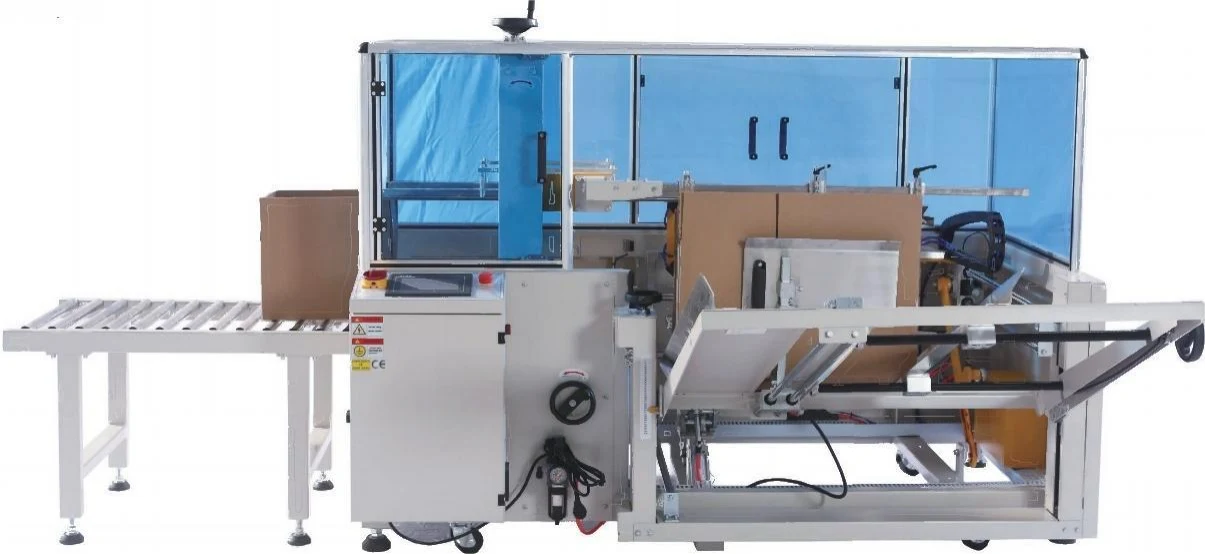
HPK-40
The upright opening configuration forms and bottom-seals empty cartons. Compare the actual carton blank with the listed limits; the minimum dimensions cannot all be combined automatically.
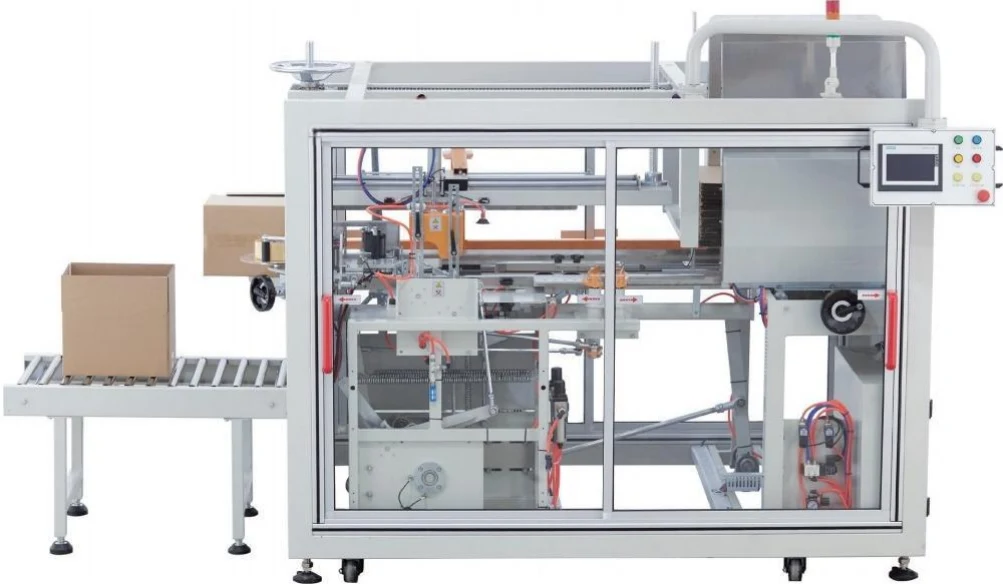
HPK-40K30
A cam and linkage arrangement controls the horizontal opening sequence. The carton blank must meet both the finished-size limits and the combined geometry constraints.
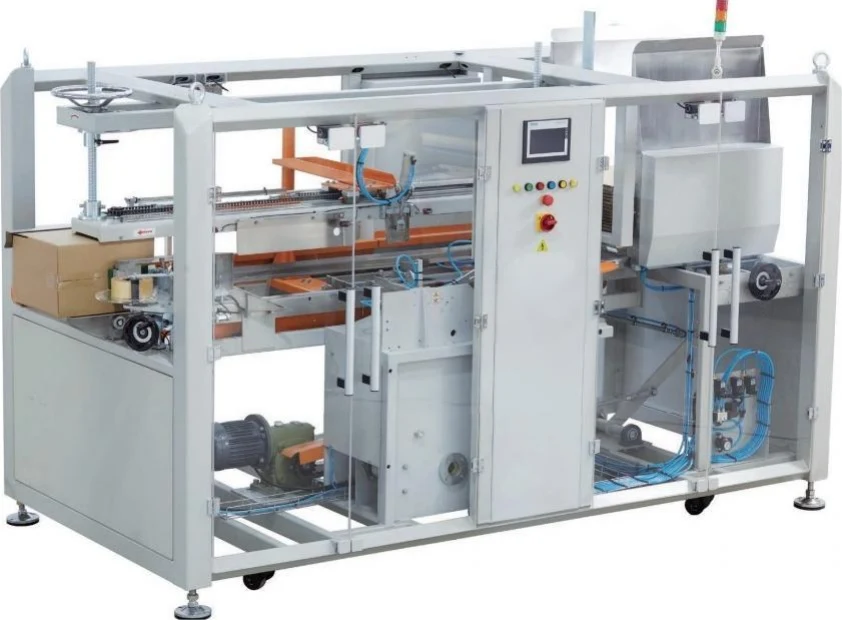
HPK-40K50
The horizontal case erector opens, forms, folds the base and seals the bottom. Review the intended carton stock and the replenishment and downstream loading arrangements at the proposed production rate.
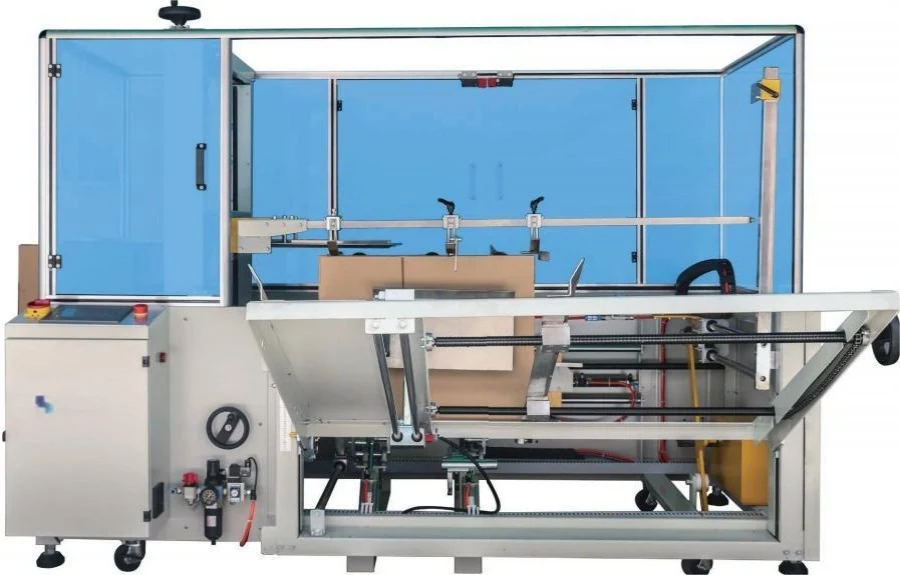
HPK-50
This automatic case erector opens and bottom-seals larger shipping cartons. A replenishable blank magazine and the downstream carton handoff need to fit the proposed packing position.
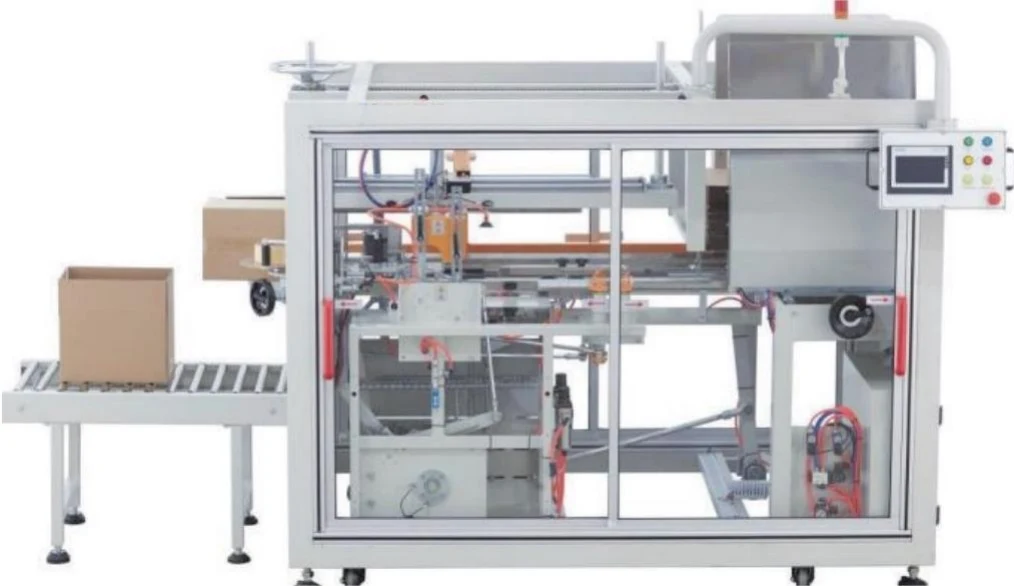
HPK-50K20
The larger-carton horizontal configuration combines carton pickup, opening and bottom sealing. Check the finished dimensions and the combined blank constraints before selecting a case size.
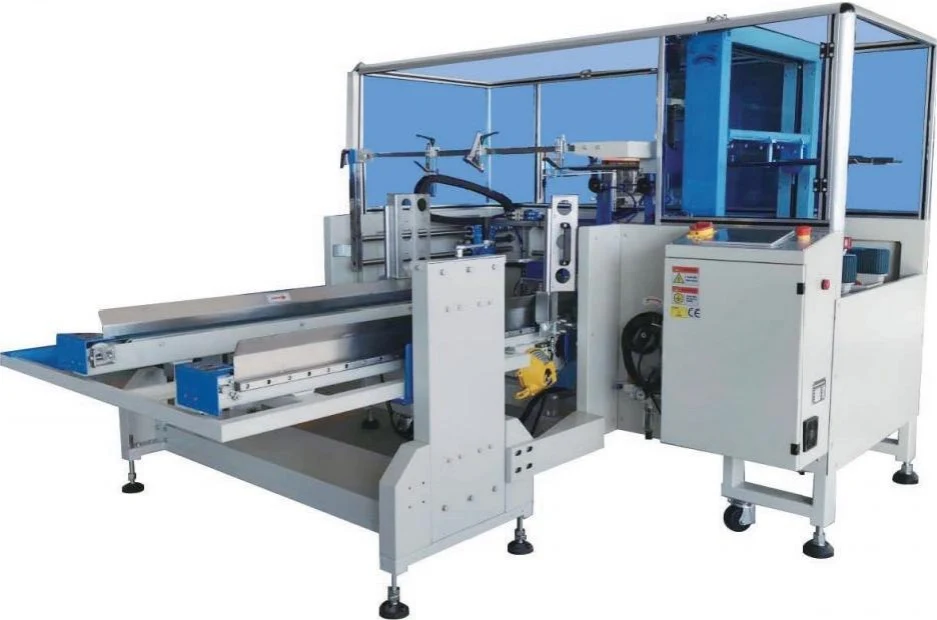
HPK-60
The larger-case arrangement prepares cartons for a separate filling station. Review blank support, magazine access and the available floor space around the larger format.
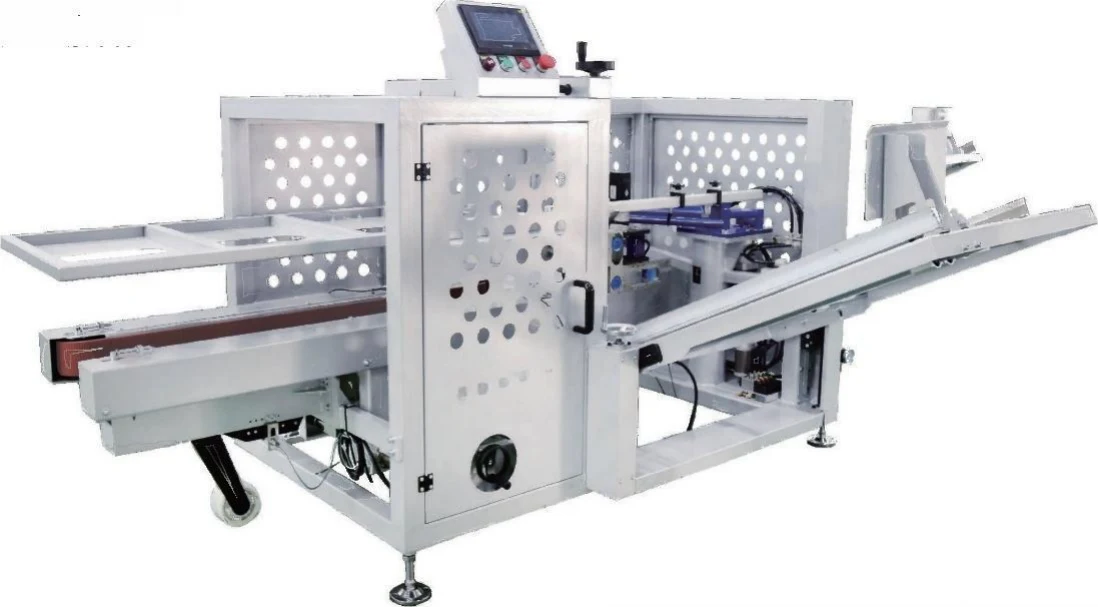
HPK-40JS
A mechanical arm participates in the case-opening sequence before bottom folding and sealing. Check the smallest carton, pickup position and transfer to the loading station on actual blanks.
HPK-40SF
Servo-controlled pickup and pushing prepare the case while the bottom flaps are folded and taped. The horizontal blank magazine and the outgoing carton height must fit the intended line.
Compact e-commerce cases, upright opening and servo-driven or higher-speed erecting arrangements require different blank feeding and transfer conditions. Send the smallest and largest flat blanks, the required bottom seal and your infeed orientation. Confirm the selected system separately from the XD-KX450 catalogue specifications.
XD-KX450 opens and erects empty shipping cartons. Product loading and the closing of a packed carton are separate steps to define when arranging the packing line.
Send the flat carton drawing, an assembled sample, finished dimensions, tape requirements and required cartons per hour. Include the direction of travel and available floor space.
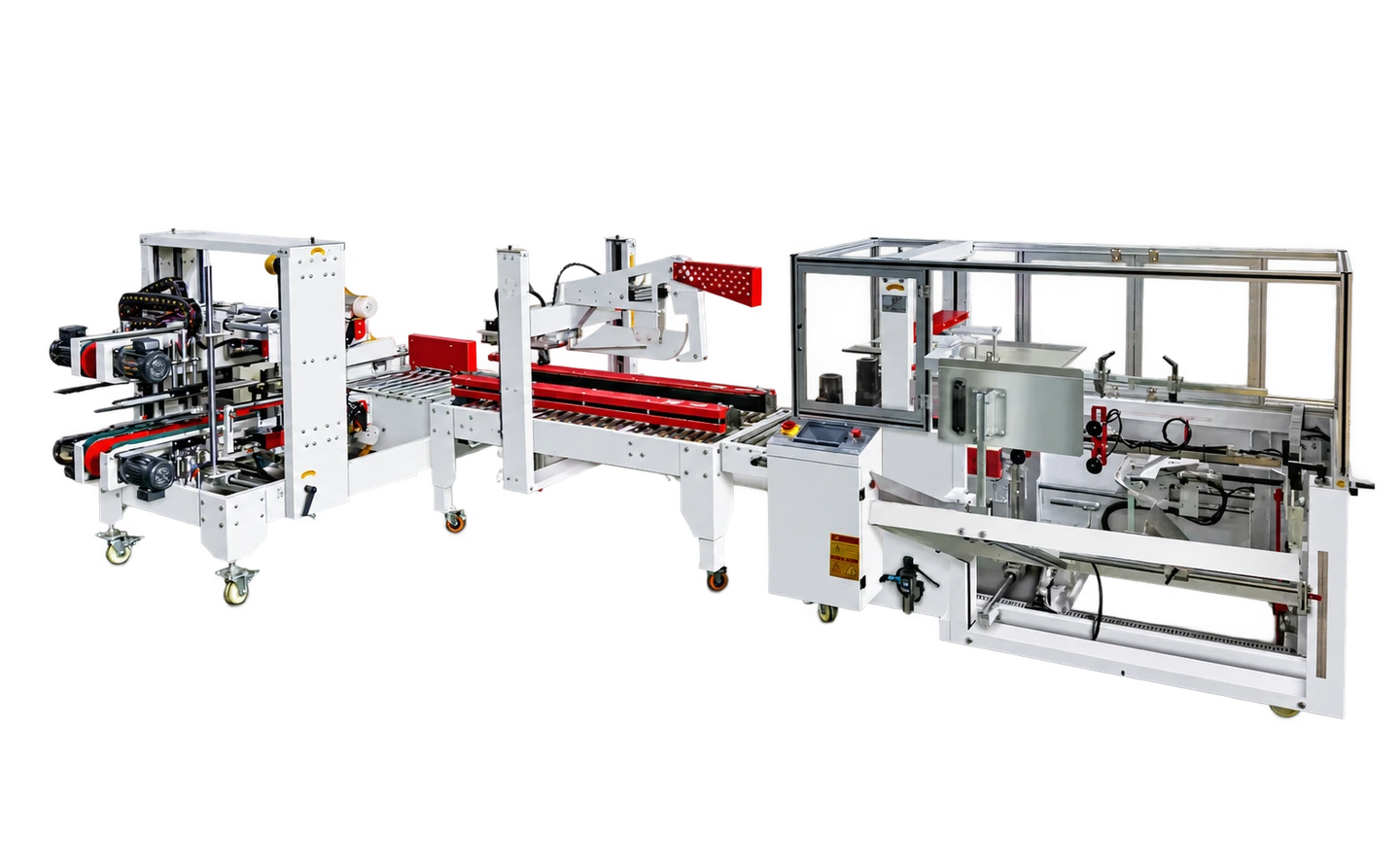
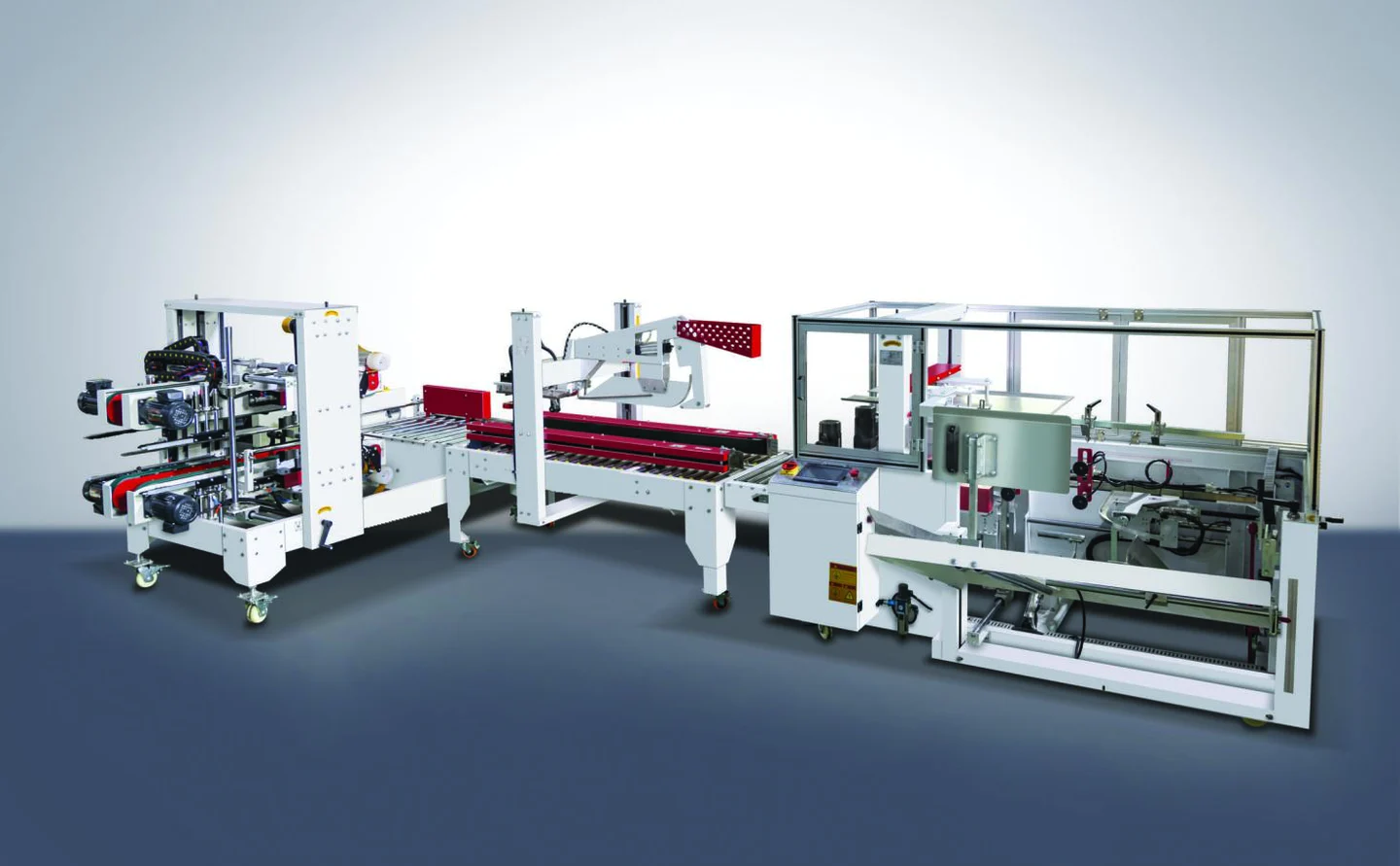
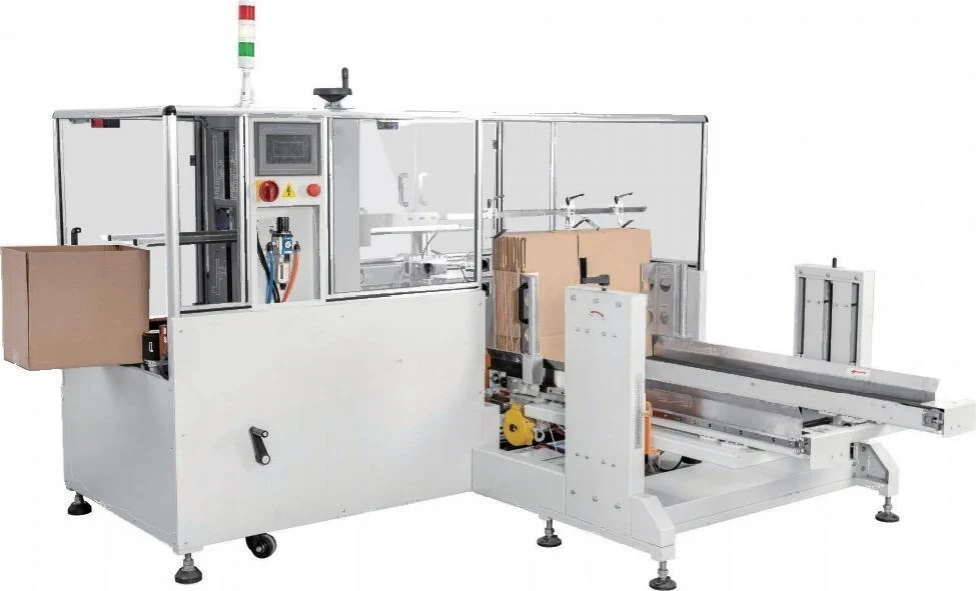
Prepare box photos and drawingsReview the XD-KX450 specifications and confirm the carton and bottom-closing requirements. The catalogue photograph shows a sealing-line arrangement; confirm the individual machine and supplied equipment in the quotation.
Review the equipment catalogue