


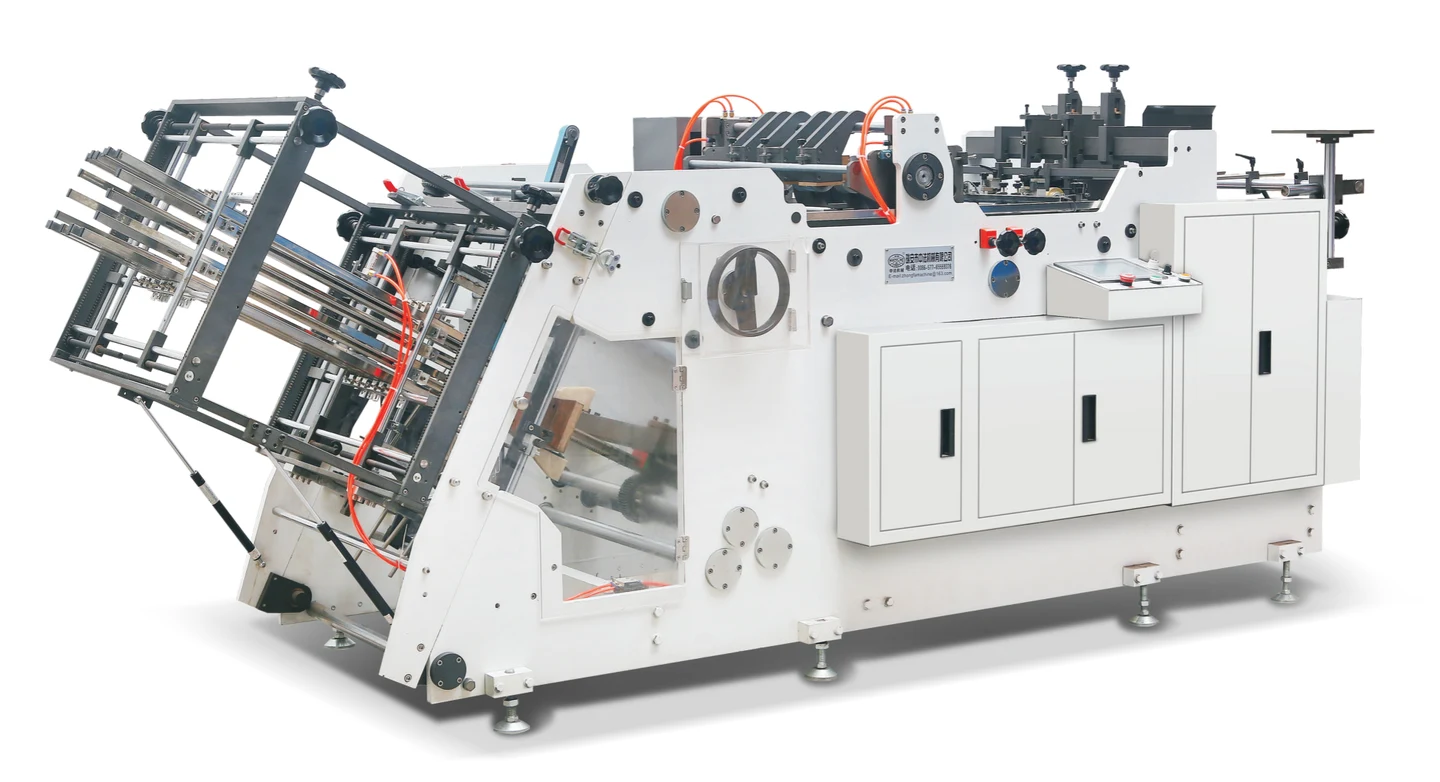
Burger cartons and fry boxes
Burger cartons and fry boxes use die-cut paperboard with different wall angles and corner joints. A familiar food-box shape still requires a matching blank, tool and forming sequence.
Explore this application
Packaging applications
Form food cartons, small paper baskets and coated-paper containers. Match the blank, coating, rim and compartments to the selected forming process.
Get a QuoteCHOOSE YOUR APPLICATION
Burger cartons and fry boxes use die-cut paperboard with different wall angles and corner joints. A familiar food-box shape still requires a matching blank, tool and forming sequence.
Explore this application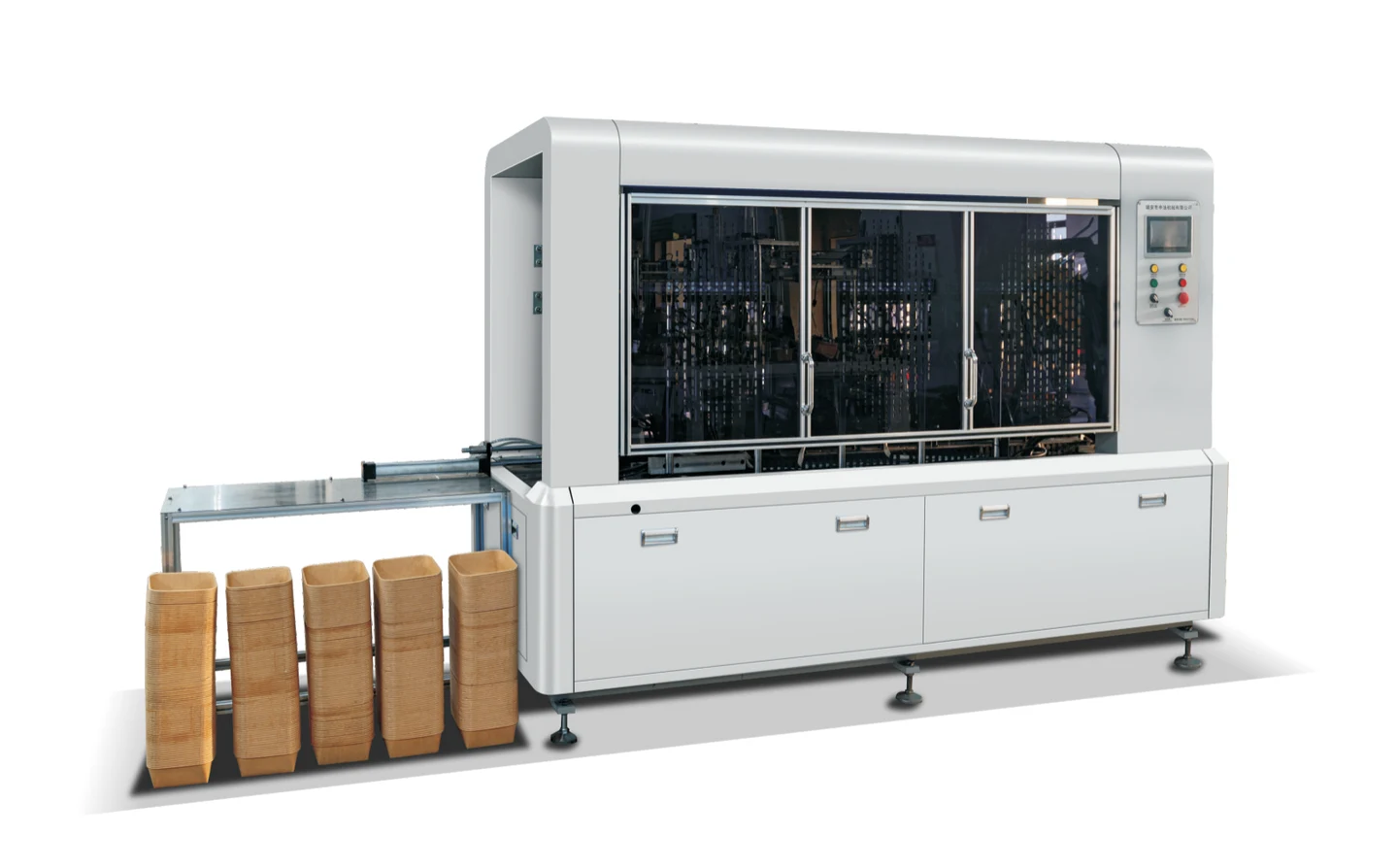
A takeaway container may depend on a formed corner, a curled rim or a sealed coated-paper joint. These features determine the forming process and the lid review.
Explore this applicationSmall produce baskets differ from larger corrugated fruit trays in the blank, corner joint and handling requirements. Hand openings and a shallow wall can change the forming tool.
Explore this application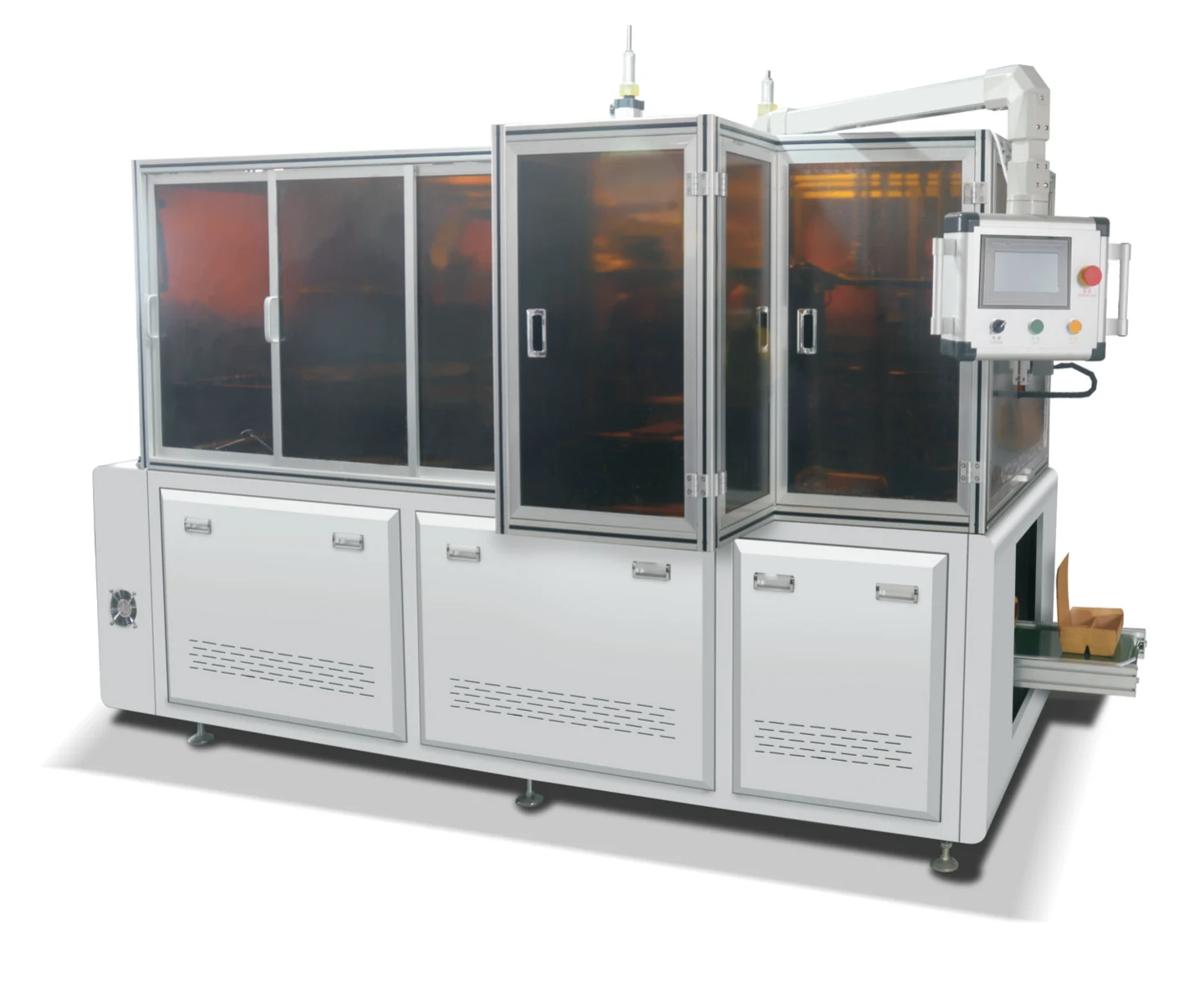
Internal dividers change the forming geometry of a paper lunch box. The number and position of compartments must be considered with the outer walls and lid.
Explore this application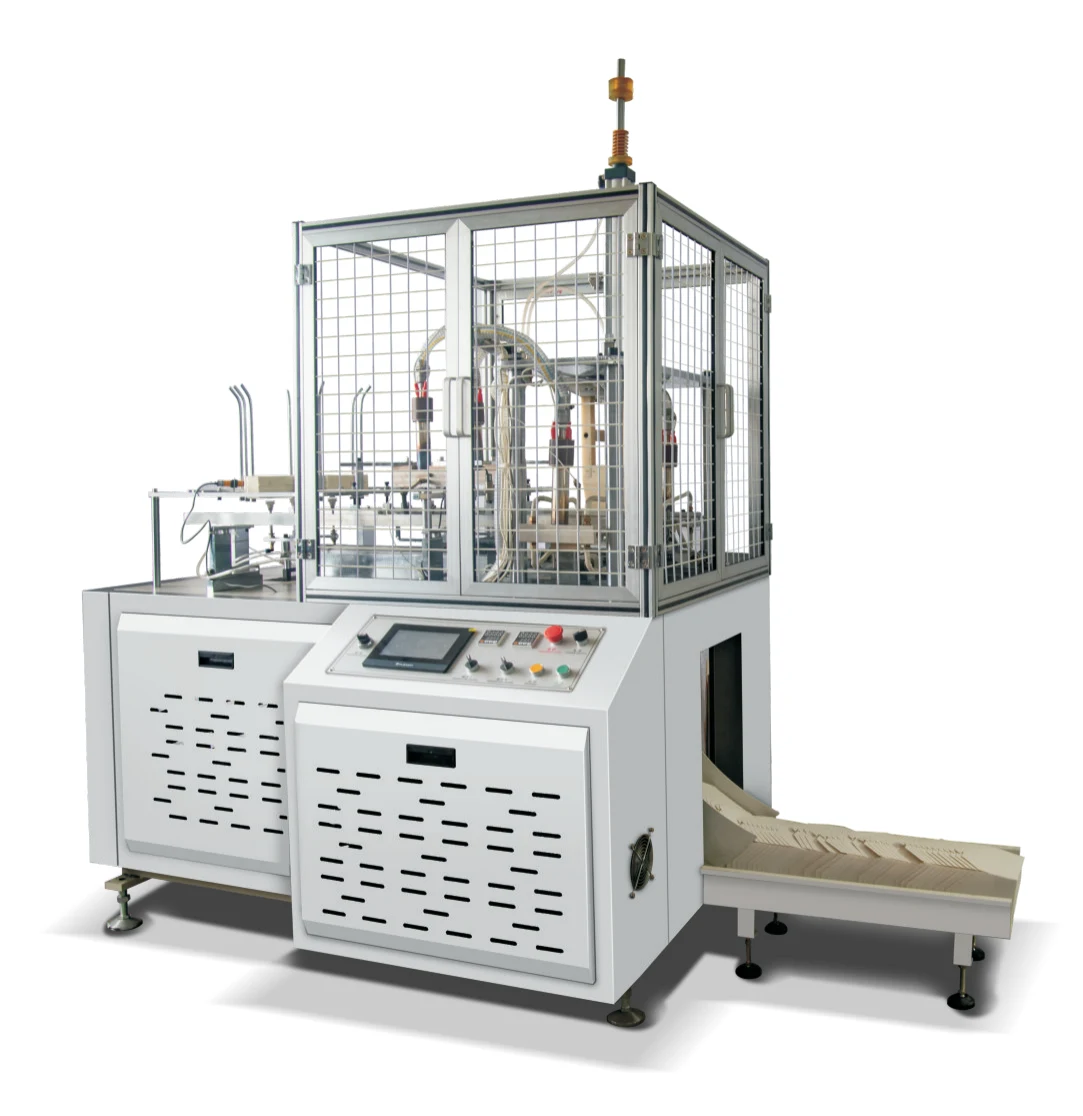
Right-angle, hexagonal and film-sealed containers place different demands on the folds and joining process. A shared outside size does not make the forming tools interchangeable.
Explore this applicationSend the package or load drawing, material and dimensions, the required accepted output and the existing packing-line arrangement. Identify each format and any opening, joint or covered surface that affects the process.
Discuss your application