


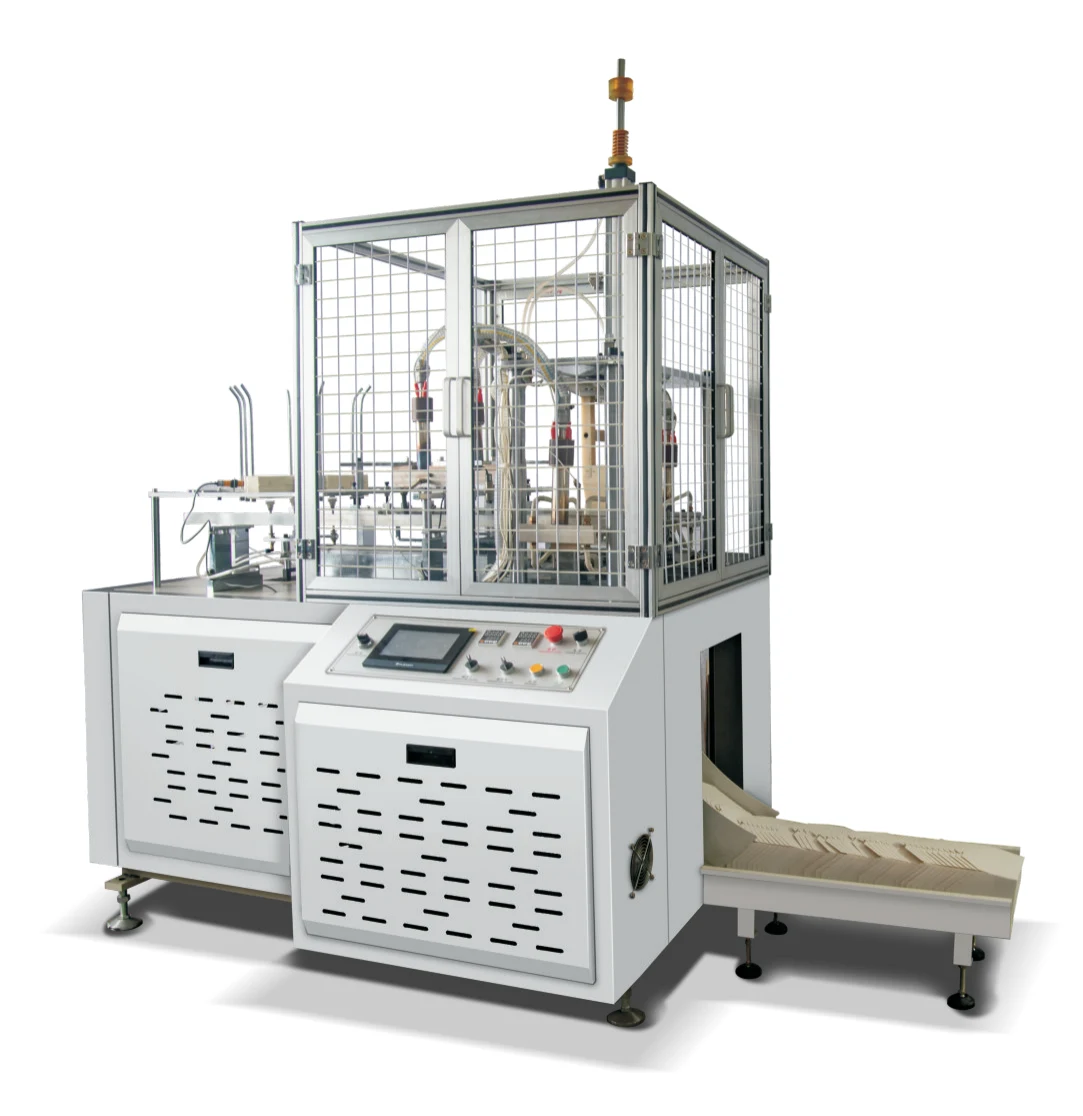
ZF-A
Coated-paper box forming machine
The coated-paper box former is selected around the flat sheet, corner joints and finished container. Check the intended coating and mould before comparing it with another container size.
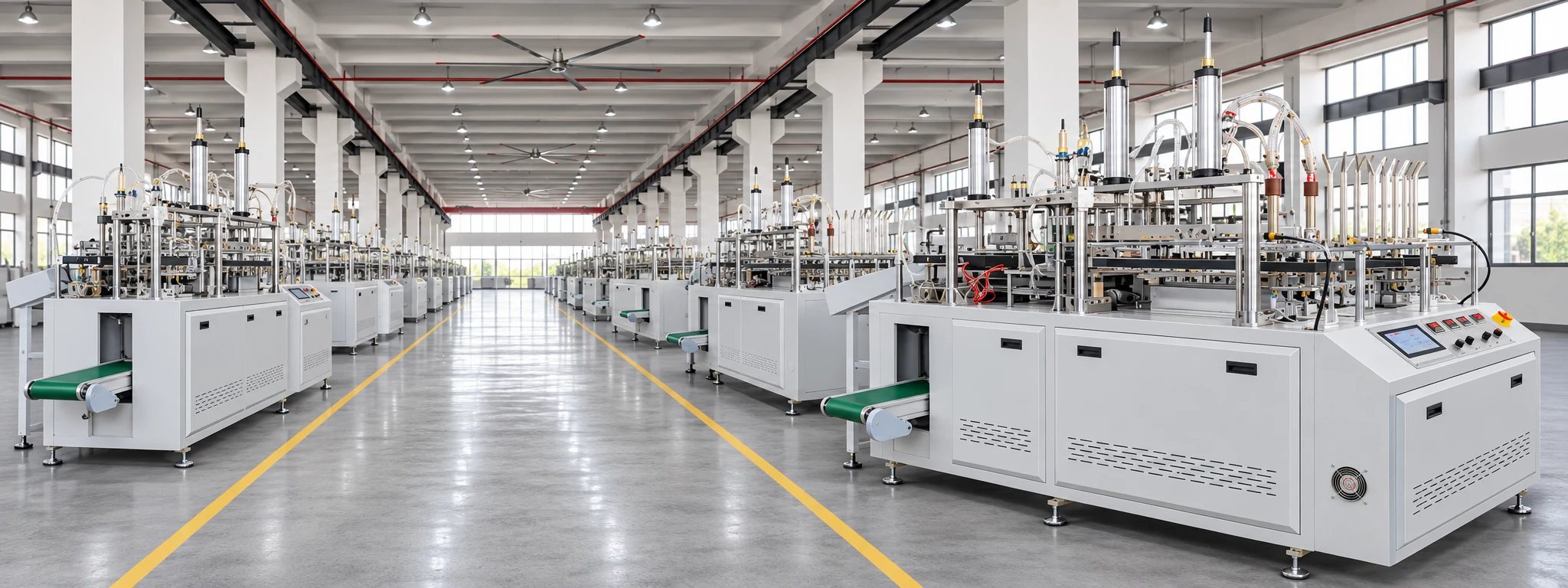
Packaging application
Right-angle, hexagonal and film-sealed containers place different demands on the folds and joining process. A shared outside size does not make the forming tools interchangeable.
Get a QuotePACKAGE AND PROCESS
Specify the coating and the sealing layer, then review the flat-sheet geometry, corners and lid. Where film is part of the joint, assess the paper-and-film construction together.
Compare ZF-A and ZF-B for their format limits, ZF-C for hexagonal boxes, ZF-500 and ZF-1000 for right-angle forming, or RHZH-B for paper-and-film heat sealing.
Keep the production material and selected configuration together in the sample review. Count accepted packages and record interruptions or rejected output separately before agreeing the production requirement.
Discuss this applicationMODEL SELECTION
Compare the forming, handling and adjustment requirements against your actual package.
ZF-A
The coated-paper box former is selected around the flat sheet, corner joints and finished container. Check the intended coating and mould before comparing it with another container size.
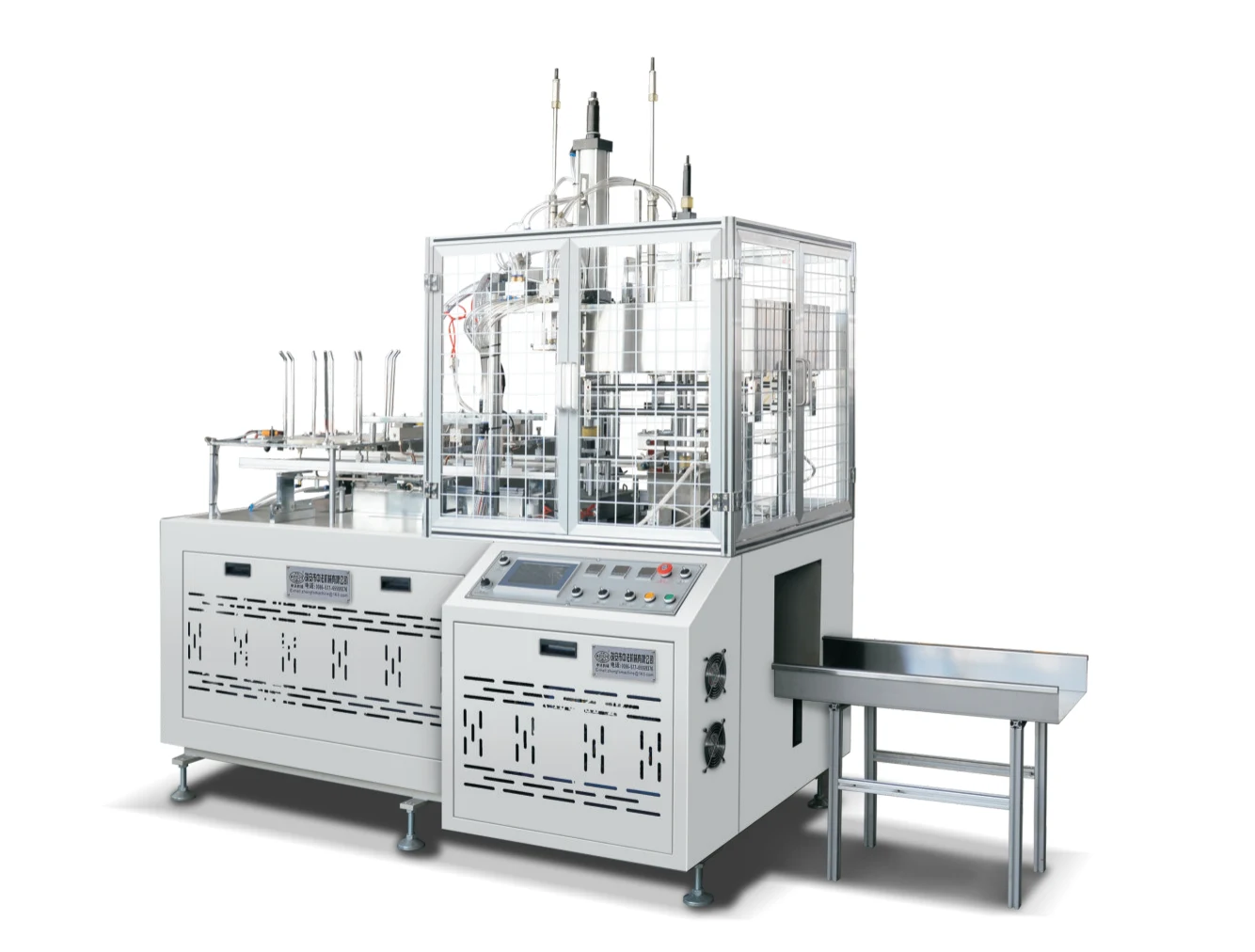
ZF-B
This coated-paper forming configuration has a different listed maximum sheet size from ZF-A. Compare the actual blank and finished box rather than treating the two format limits as interchangeable.
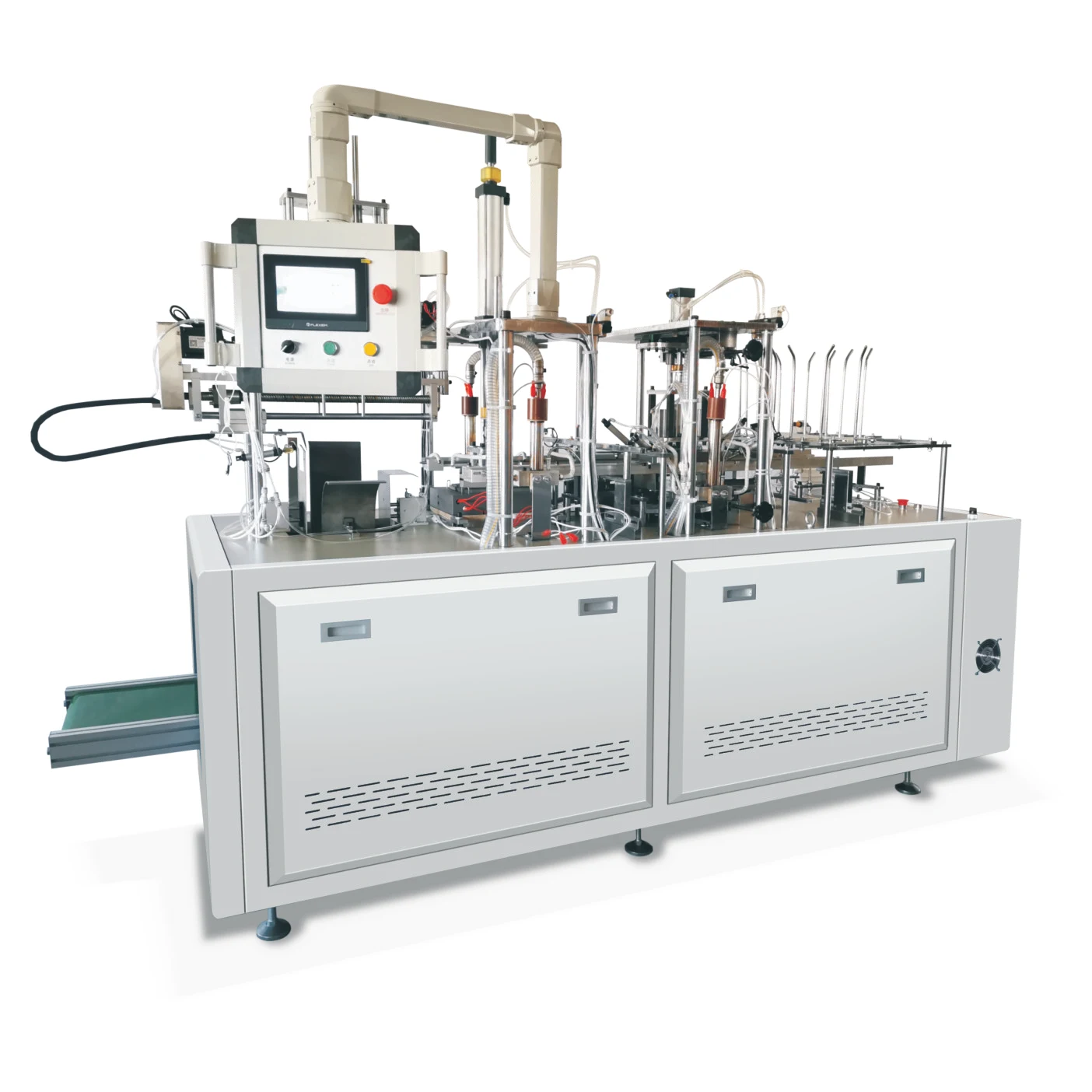
ZF-C
This former produces hexagonal paper boxes. Six corner folds, the sidewall angle and the lid drawing need to be reviewed as one complete container design.
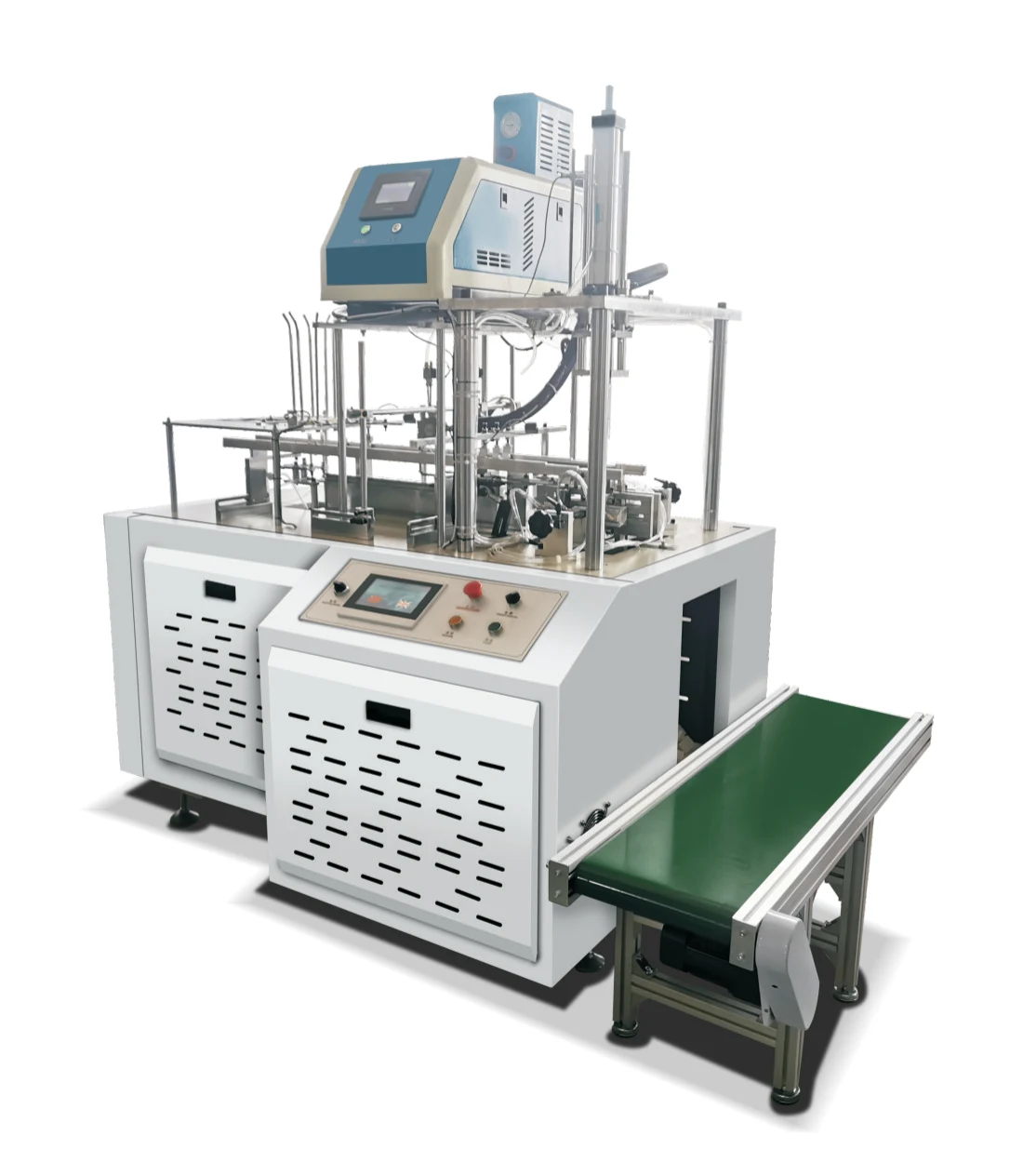
ZF-500
A single station forms paper boxes with right-angle corners. Review the corner closure and coating using the production board, including any lid or nesting requirement.
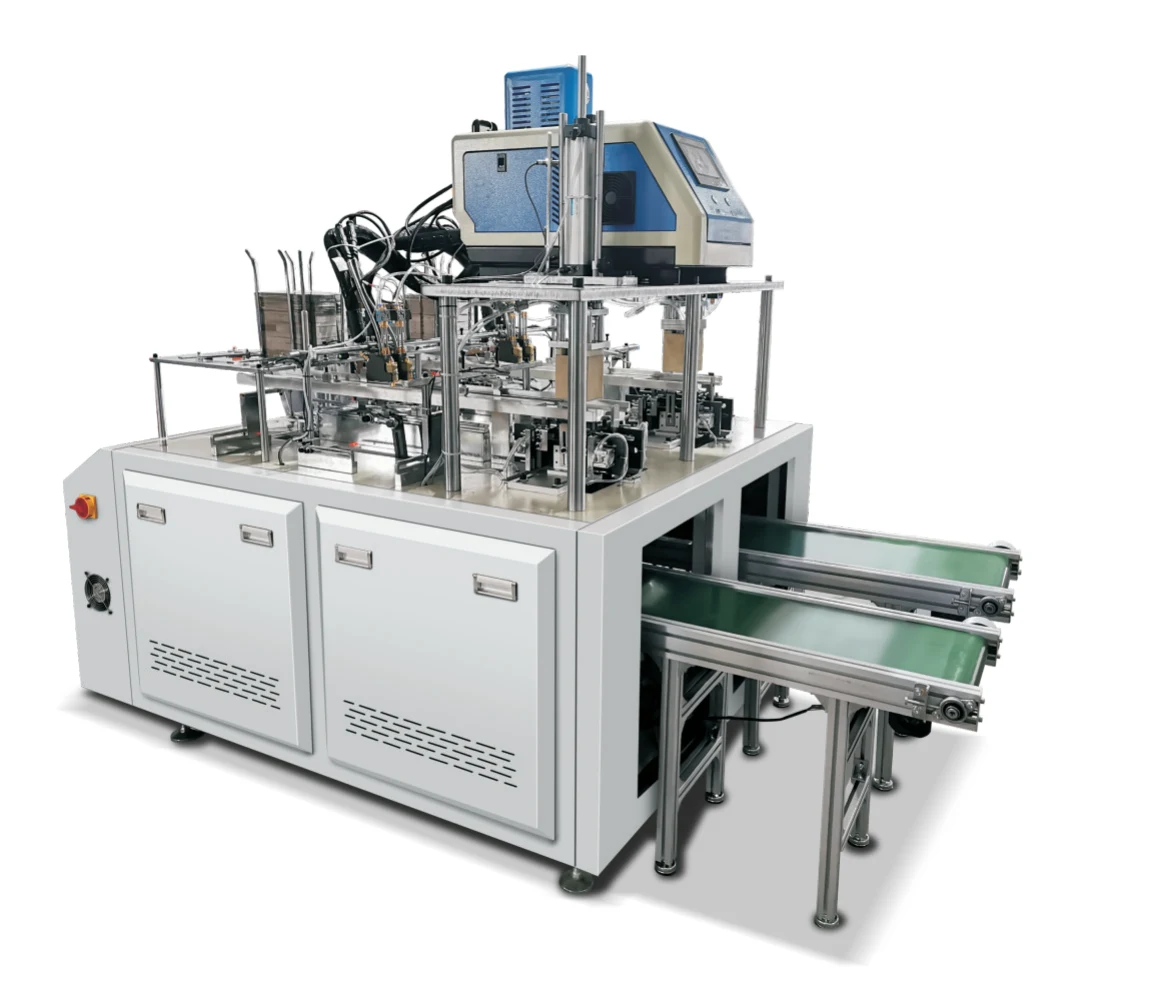
ZF-1000
The double-station layout forms right-angle paper boxes. Station tooling and the method of collecting both outputs belong in the agreed production configuration.
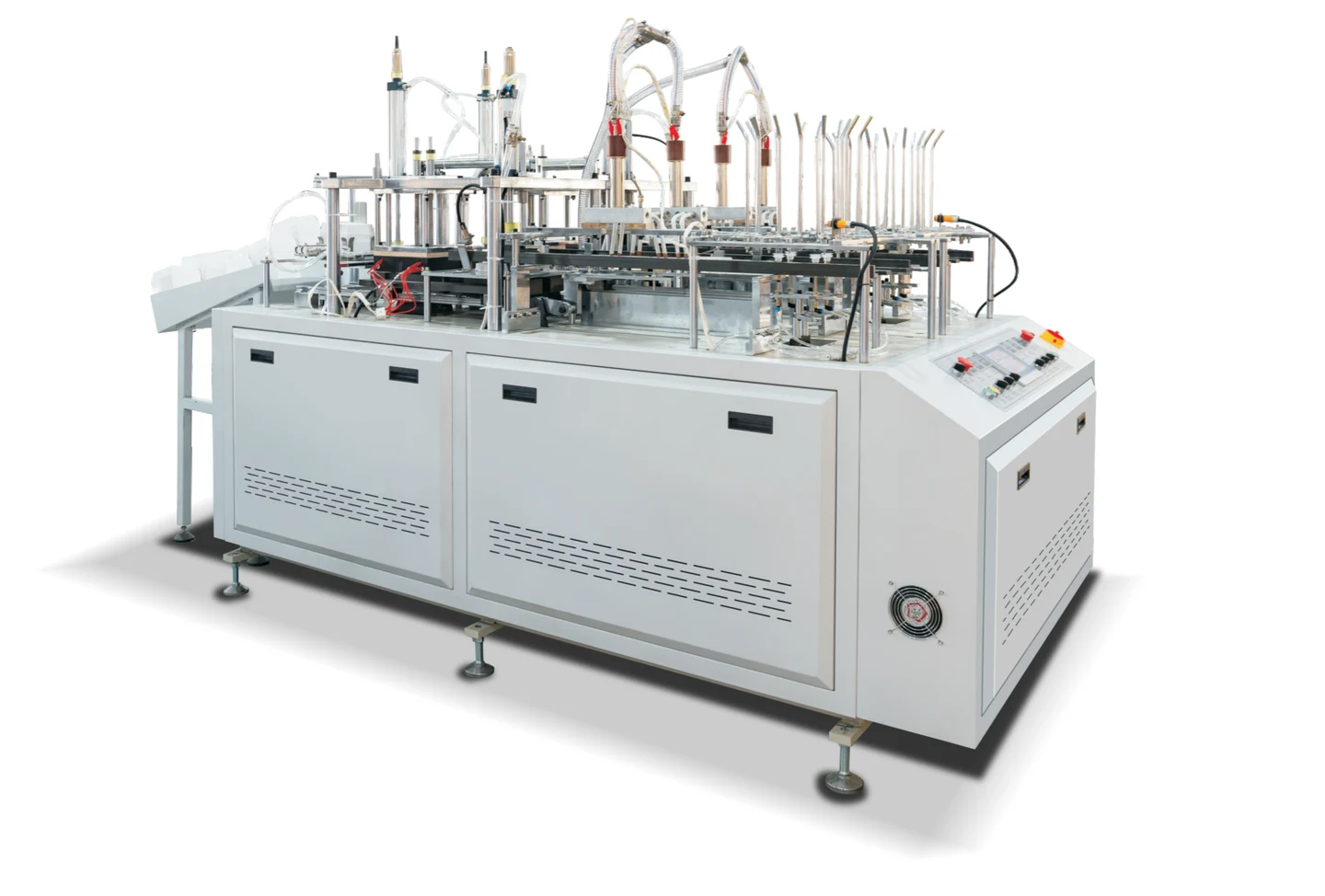
RHZH-B
This double-station machine combines paper-box forming with paper-and-film heat sealing. Compatibility depends on the exact paper, laminate construction and layer that must be sealed.