


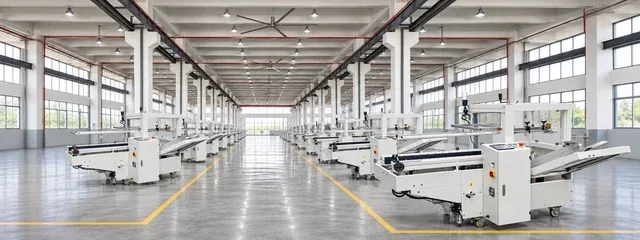
An empty-carton buffer lets the packing station keep working during a short interruption at the case erector. Estimate its size from the packing rate and the longest routine pause you intend it to cover. Then check how many erected cartons physically fit before filling, how each size waits and how the erector restores the buffer during normal operation.
Count empty cases at the point of use
Count accepted empty cases where they are handed to packing. Do a second count of how often packing removes an empty case during a representative busy run. The production schedule gives the intended rate. The observation shows whether two filling positions can take cartons at the same moment or whether a particular run consumes them in bursts. Use that information to decide where the buffer should sit.
Calculate a useful starting count
Multiply the packing rate by the covered interruption in the same time unit. For example, an illustrative rate of 12 boxes per minute and a routine pause of 30 seconds require six cases to cover that interval. If only five usable positions fit, review the replenishment sequence or conveyor layout before assuming the line can cover the pause. If the erector falls short throughout each shift, additional waiting space will empty out unless its output or the packing demand changes.
Deduct unusable positions
Mark the infeed, transfer gap, guides and any detection points where an empty box cannot wait. Then set the first and last permissible carton positions with the line supplier. Calculate the usable count again for the longest carton in its actual travel direction. The remaining positions should let cartons reach the handoff square, especially where they are light and easily turned.
Include the time needed to rebuild
If packing continues during recovery, compare the observed erector output with the ongoing packing rate. In the example, an erector delivering 15 good boxes per minute while packing takes 12 can replace the six depleted cases in about two minutes. Treat that figure as a worked example. Use the line trial to check the margin under the actual mix and operating sequence.
Test the pause and the recovery
Simulate a typical replenishment pause using the normal controls. Watch whether filling runs out of cartons and record how long it takes to rebuild the buffer. Use the case erector range to confirm the proposed empty-case delivery, then discuss waiting positions and throughput with the transfer and line modules team.