


One Packaging Line, Several Machines: Who Owns the Handover?
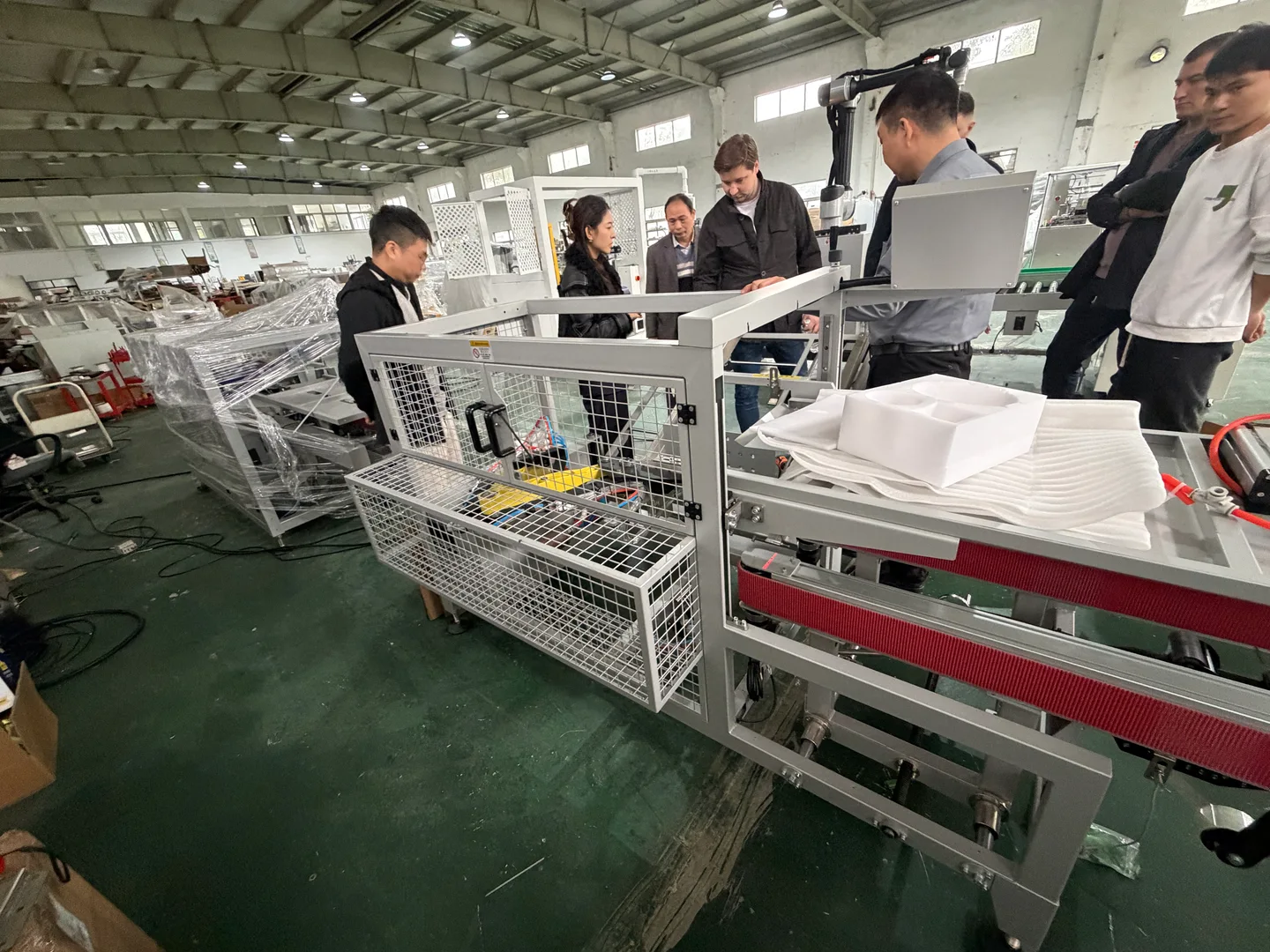
Ask three machine suppliers for three prices and the conveyor gap can still belong to nobody.
Read guide →Connect equipment around a clear production brief, with defined transfers, control responsibilities and acceptance checks at every handover.
Start here
Ask three machine suppliers for three prices and the conveyor gap can still belong to nobody.
Read guide →A carton can leave a sealer with enough momentum to cross the first few rollers and still stop short of the next station.
Read guide →Prepare your site before the machine arrives. A checklist of power, air, space, and access conditions to confirm with your box machine supplier.
Read guide →The guide library
Ask three machine suppliers for three prices and the conveyor gap can still belong to nobody.
Read guide →A carton can leave a sealer with enough momentum to cross the first few rollers and still stop short of the next station.
Read guide →Explore how metal grade, section size, cutting, fabrication and surface protection contribute to the construction of a packaging machine.
Read guide →A closer look at milling, turning, reference surfaces and component fit, and why these details matter in box forming machinery.
Read guide →Follow the checks from incoming metal and machined dimensions to assembly, sample runs and an agreed packaging machine acceptance record.
Read guide →Rated speed is not real output. Learn how buyers verify sustained output and changeover time on a box forming machine before signing the order.
Read guide →Prepare your site before the machine arrives. A checklist of power, air, space, and access conditions to confirm with your box machine supplier.
Read guide →Which documents and acceptance terms to agree on before buying a packaging machine — manuals, drawings, FAT/SAT records, and warranty terms.
Read guide →Most spare parts problems start before the machine is assembled. See how material supply, component sourcing and part records decide what you can still buy.
Read guide →See emergency stop buttons on a Xunding box forming machine in an 18-second video, with guidance on identifying controls, operator training and safe restart.
Read guide →Define what the packaging line commands, what each station controls, and how to test stops and restarts across machines.
Read guide →Understand how carton metering controls spacing and carton rejection changes the route, with a simple trial for each station.
Read guide →Calculate cases per minute from belt speed and carton pitch, then verify the result against the actual conveyor and downstream station.
Read guide →Compare sealer passes, packed cases and product counts at shift end. Follow reworked cartons and part cases to explain a difference in the totals.
Read guide →Test an inserted carton liner from case arrival to the filling position. Check bag opening, conveyor transfer and which stations are included.
Read guide →Run a checkweigher trial with identified test cartons. Verify the weight decision, physical removal and response to a missed reject.
Read guide →Ask three machine suppliers for three prices and the conveyor gap can still belong to nobody.
Read guide →A carton can leave a sealer with enough momentum to cross the first few rollers and still stop short of the next station.
Read guide →Explore how metal grade, section size, cutting, fabrication and surface protection contribute to the construction of a packaging machine.
Read guide →A closer look at milling, turning, reference surfaces and component fit, and why these details matter in box forming machinery.
Read guide →Follow the checks from incoming metal and machined dimensions to assembly, sample runs and an agreed packaging machine acceptance record.
Read guide →Rated speed is not real output. Learn how buyers verify sustained output and changeover time on a box forming machine before signing the order.
Read guide →Prepare your site before the machine arrives. A checklist of power, air, space, and access conditions to confirm with your box machine supplier.
Read guide →Which documents and acceptance terms to agree on before buying a packaging machine — manuals, drawings, FAT/SAT records, and warranty terms.
Read guide →Most spare parts problems start before the machine is assembled. See how material supply, component sourcing and part records decide what you can still buy.
Read guide →See emergency stop buttons on a Xunding box forming machine in an 18-second video, with guidance on identifying controls, operator training and safe restart.
Read guide →Define what the packaging line commands, what each station controls, and how to test stops and restarts across machines.
Read guide →Understand how carton metering controls spacing and carton rejection changes the route, with a simple trial for each station.
Read guide →Calculate cases per minute from belt speed and carton pitch, then verify the result against the actual conveyor and downstream station.
Read guide →Compare sealer passes, packed cases and product counts at shift end. Follow reworked cartons and part cases to explain a difference in the totals.
Read guide →Test an inserted carton liner from case arrival to the filling position. Check bag opening, conveyor transfer and which stations are included.
Read guide →Run a checkweigher trial with identified test cartons. Verify the weight decision, physical removal and response to a missed reject.
Read guide →Estimate the empty carton buffer between case erecting and packing from the packing rate, pause duration, usable positions and recovery rate.
Read guide →Assess a fruit box forming line with automatic stacking by checking tray orientation, stack alignment, removal and restart on real cartons.
Read guide →Use a factory floor plan to check the working footprint of a fruit box line, including blank supply, finished-box collection and tool access.
Read guide →Plan a shrink tunnel trial around the actual film and product. Check the seal, cooled pack condition and agreed product heat limit.
Read guide →Share your floor plan, machine list, carton details and target line output.