


Automatic vs Semi-Automatic Case Sealers: Who Folds the Flaps?
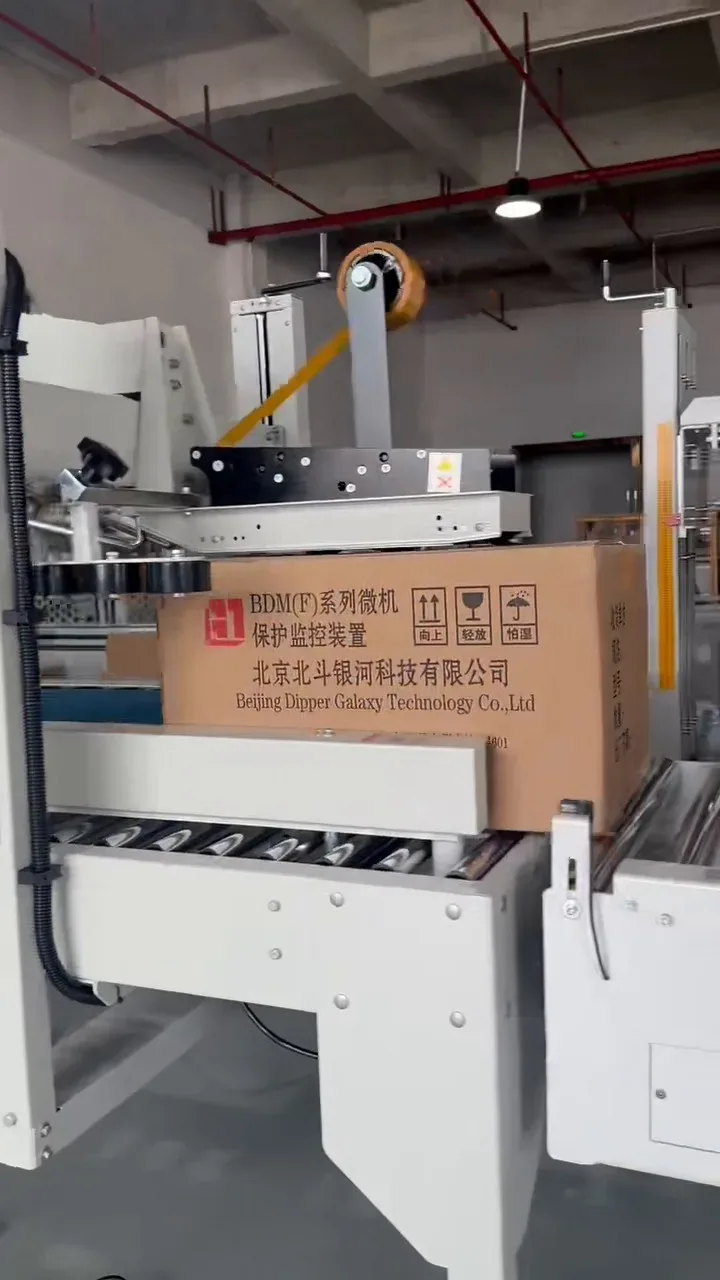
A semi-automatic sealer tapes a carton an operator has folded. An automatic flap-folding sealer folds it too. Compare the steps, carton range and trial record.
Read guide →Practical advice for choosing a case sealer, comparing sealing methods and keeping your packing line running smoothly.
Start here
A semi-automatic sealer tapes a carton an operator has folded. An automatic flap-folding sealer folds it too. Compare the steps, carton range and trial record.
Read guide →Compare centre-seam and edge taping, read the carton closure drawing and check whether a separate corner-sealing station belongs in the line.
Read guide →Compare case sealer quotations using installed cost, tape consumption, labour, rejected seals and the number of accepted cartons per shift.
Read guide →The guide library
A semi-automatic sealer tapes a carton an operator has folded. An automatic flap-folding sealer folds it too. Compare the steps, carton range and trial record.
Read guide →Compare centre-seam and edge taping, read the carton closure drawing and check whether a separate corner-sealing station belongs in the line.
Read guide →Compare case sealer quotations using installed cost, tape consumption, labour, rejected seals and the number of accepted cartons per shift.
Read guide →Compare carton erecting, flap folding and tape sealing. Use the carton dimensions, tape width and packing sequence to choose the right equipment.
Read guide →Separate tape application conditions from storage temperature and test the actual cartons through the cold-room transfer.
Read guide →Place a strap across an empty printed carton and the path looks obvious.
Read guide →Separate belt speed, peak case rate and accepted production throughput when measuring an automatic case sealer.
Read guide →Choose top or side print-and-apply placement using the sealed carton, a marked label zone and a read test at the downstream scanner.
Read guide →Set up a carton sealer maintenance routine that connects the tape head, carton path and service work to real production seals.
Read guide →Send the site voltage, frequency, phase and station scope before asking for a carton sealer quote. Get written confirmation for the exact machine.
Read guide →Define how a case sealer handles an unavailable downstream station and write a blocked-discharge test for the proposed line.
Read guide →Compare contact surfaces, carton support and release on side-belt and top-and-bottom case sealer drives. Use packed samples to choose a layout.
Read guide →Use a real order sequence to test a case sealer for multiple carton sizes, short batches and customer-specific closures on a co-packing line.
Read guide →Map carton arrivals, flap condition, parcel labels and exception routing before specifying a case sealer for an order fulfilment centre.
Read guide →Compare tape and hot melt for filled cartons, including flap contact, acceptance checks and the information each closure trial needs.
Read guide →Use a failed carton, the tape specification and an accepted seal to distinguish setup problems from case sealer faults that need service.
Read guide →A semi-automatic sealer tapes a carton an operator has folded. An automatic flap-folding sealer folds it too. Compare the steps, carton range and trial record.
Read guide →Compare centre-seam and edge taping, read the carton closure drawing and check whether a separate corner-sealing station belongs in the line.
Read guide →Compare case sealer quotations using installed cost, tape consumption, labour, rejected seals and the number of accepted cartons per shift.
Read guide →Compare carton erecting, flap folding and tape sealing. Use the carton dimensions, tape width and packing sequence to choose the right equipment.
Read guide →Separate tape application conditions from storage temperature and test the actual cartons through the cold-room transfer.
Read guide →Place a strap across an empty printed carton and the path looks obvious.
Read guide →Separate belt speed, peak case rate and accepted production throughput when measuring an automatic case sealer.
Read guide →Choose top or side print-and-apply placement using the sealed carton, a marked label zone and a read test at the downstream scanner.
Read guide →Set up a carton sealer maintenance routine that connects the tape head, carton path and service work to real production seals.
Read guide →Send the site voltage, frequency, phase and station scope before asking for a carton sealer quote. Get written confirmation for the exact machine.
Read guide →Define how a case sealer handles an unavailable downstream station and write a blocked-discharge test for the proposed line.
Read guide →Compare contact surfaces, carton support and release on side-belt and top-and-bottom case sealer drives. Use packed samples to choose a layout.
Read guide →Use a real order sequence to test a case sealer for multiple carton sizes, short batches and customer-specific closures on a co-packing line.
Read guide →Map carton arrivals, flap condition, parcel labels and exception routing before specifying a case sealer for an order fulfilment centre.
Read guide →Compare tape and hot melt for filled cartons, including flap contact, acceptance checks and the information each closure trial needs.
Read guide →Use a failed carton, the tape specification and an accepted seal to distinguish setup problems from case sealer faults that need service.
Read guide →Prepare the first filled case, confirm infeed and flap condition, then check the first seal and successive cartons before releasing a batch.
Read guide →Decide which carton faces still need tape after filling and distinguish the position of the tape heads from the drive belts.
Read guide →Send your carton photos, size range, packed weight and required cartons per hour.