


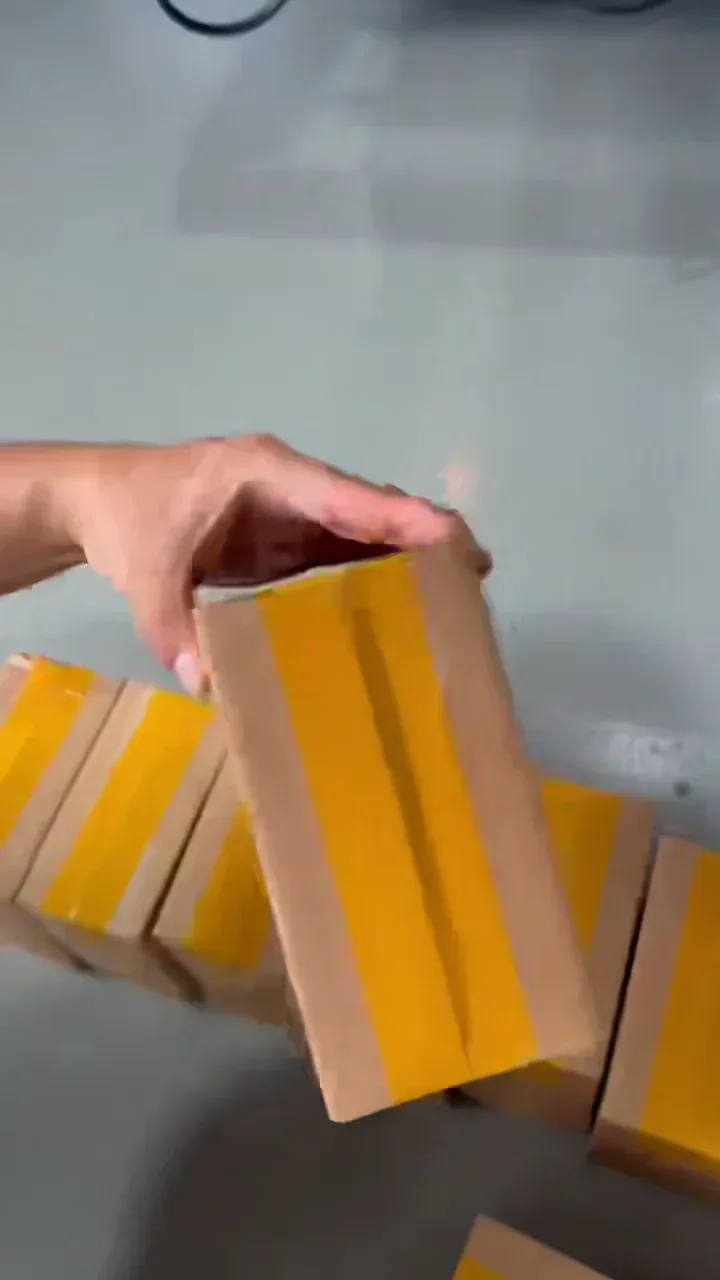
A top-only sealer applies tape to the top seam. A top-and-bottom arrangement also applies tape to the bottom seam when both faces require sealing at that stage. First check how the filled carton is supported and how its bottom was closed before filling. The choice starts with the carton and process drawing, then moves to tape-head position and drive layout.
When the top is the only unfinished seam
An erector may deliver a bottom-taped case to filling. Or the carton specification may use a bottom closure assembled at an earlier operation. Inspect the condition of that bottom when the case reaches sealing: check whether the closure is complete and whether it survives filling and transfer. If the bottom already meets the requirement, the finishing station can be scoped around the remaining top seam.
When both seams still need tape
If the box needs adhesive tape on the bottom after filling, define how the bottom flaps remain in place and how the load is supported until the tape head reaches the seam. Check this with the proposed infeed, not with an empty carton passed through by hand. If bottom tape is meant to supplement an existing closure, put the reason and required tape position on the drawing.
Keep tape-head and drive terminology separate
Top and bottom tape heads describe the faces receiving tape. Top and bottom drive belts describe how the machine grips and moves the carton. Write a separate line for each when asking about a configuration. For the drive choice, review the weight distribution and the condition of the surfaces the belts contact. For the tape heads, indicate exactly which seams they must reach.
Read the bottom on an actual packed case
An underside photograph taken before filling records the starting condition. A second photograph after transfer can show spots where the initial closure has lifted, rubbed or deformed. Check the requirement with the packaging specification before calling for another strip. The line trial should show how the package clears its supports and whether the specified joint can reach the lower tape head cleanly.
Verify the closure with one complete pass
Bring a filled case in the same condition as it will reach the equipment. Mark the bottom joint before the test and compare both faces at discharge. Use the case sealing range as a starting point for the layout and check the role of the case erector when specifying who closes the bottom.