


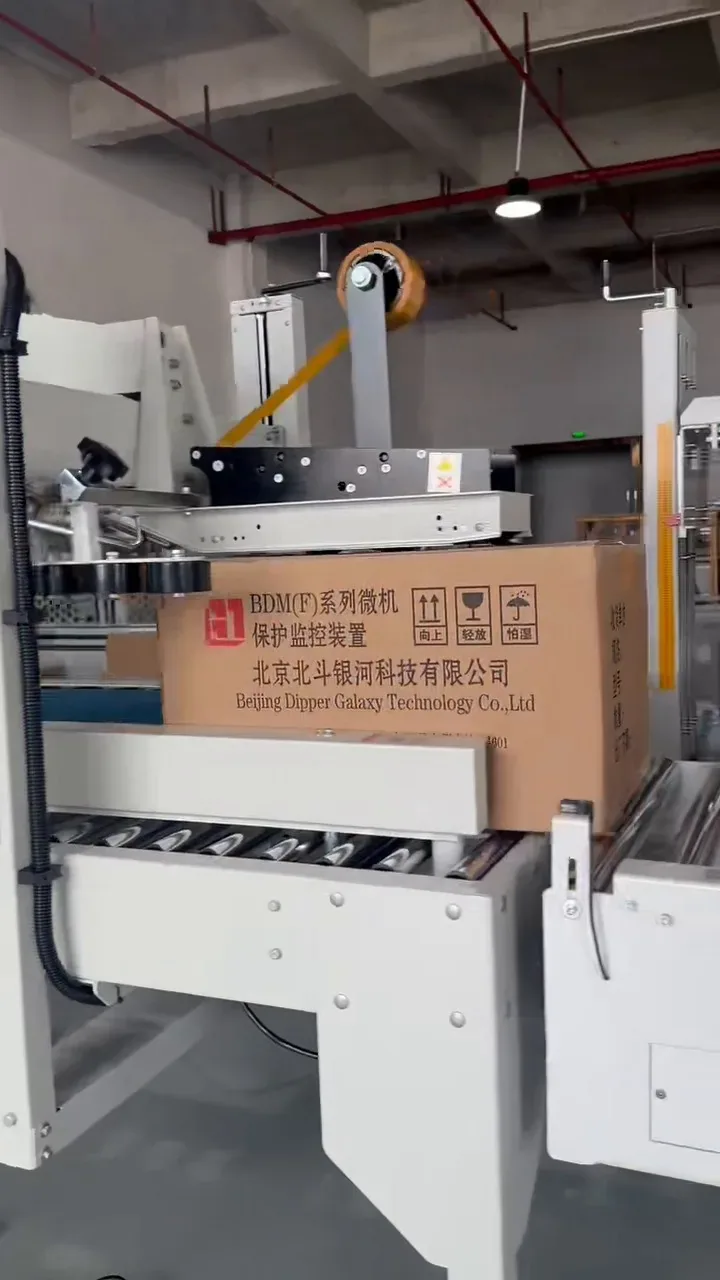
An I-seal covers the meeting line of the major flaps. An H-seal adds tape across the two end edges of that face. Specify the actual tape paths on a closed sample before deciding whether to add a corner-sealing station. The decision depends on the carton specification, the condition of the packed case and which faces need tape when they enter the line.
Read the tape pattern on each carton face
Look down on a closed carton. A line along the long seam forms the centre stroke. Add a strip along each end edge and the three strips form an H. Draw the bottom face separately. It may already have tape from an erector, or it may need to be closed at the same station as the top. Use separate marks for the top seam, bottom seam, top end edges and bottom end edges.
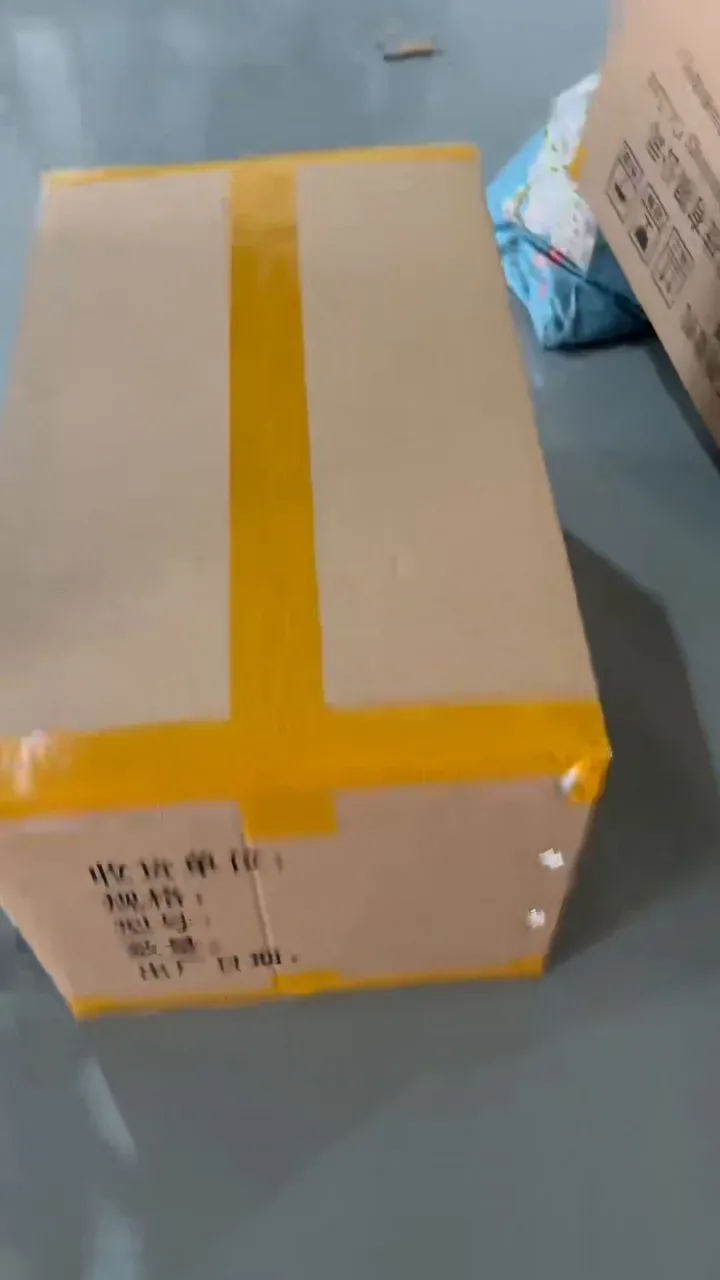
Check what the extra tape is meant to do
Some carton specifications call for taped end edges as part of their closure drawing. Others only specify centre-seam tape. If the current seam opens in handling, inspect how the flaps meet and how well the tape bonds before changing the pattern. An end strip crosses a different joint, so it cannot correct a centre strip that misses the seam, lifts off dusty board or bridges badly bowed flaps. If water resistance or tamper evidence is required, get that requirement and its test method in writing.
Allow space for the second operation
When the centre and end edges require separate passes, check carton direction between stations, where the next case waits and which box faces the applicators can reach. A good trial includes the smallest and largest packed cases plus any box with visibly bowed sides. Keep one sample from each run. Compare tape landing, contact at the folded-over ends and any scuffing at discharge.
Check the tape path before counting defects
Ask the trial team to mark four conditions on its inspection sheet: both central flaps meet, the centre strip stays on the seam, the two edge strips reach their intended end faces and the finished case passes the agreed handling check. A photograph of the top is useful, but an underside view is needed when the specification calls for bottom-edge tape. Treat any change in tape pattern as a change to the carton specification.
Decide which equipment goes on the layout
Mark each required tape strip and show where the bottom is closed. Send that marked sample with the carton range and the line drawing. The carton sealing equipment overview shows where a centre-seal or edge-taping configuration fits. For each strip, agree which station puts it on and how the finished case will be accepted.