


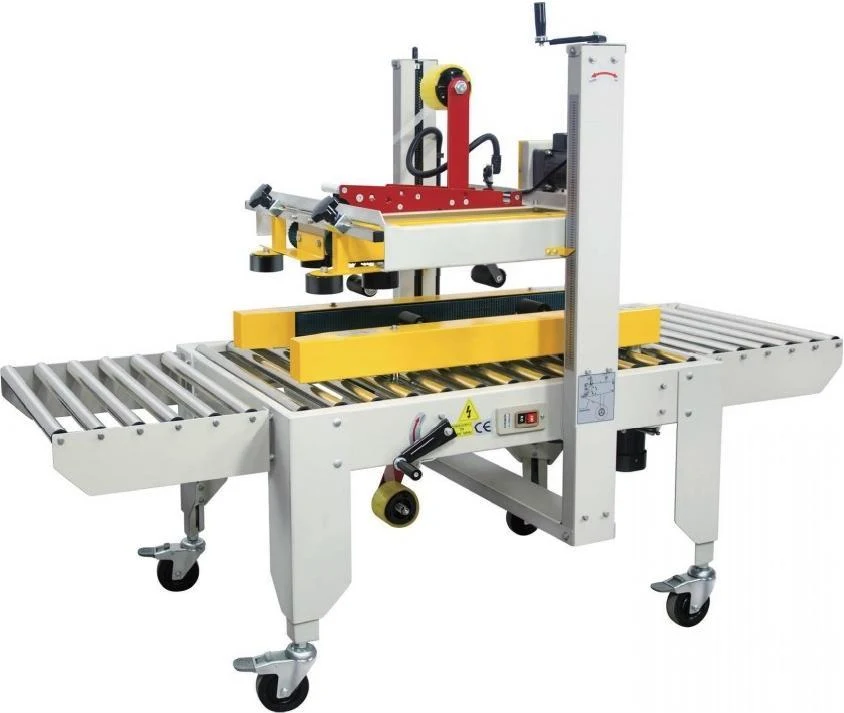
A carton can leave the sealer with a clean centre seam and arrive at cold storage with tape lifting at the ends. Start by separating two conditions: the temperature of the board when the tape is applied and the temperatures the sealed carton sees afterwards. Then check whether the surface is damp, dusty or coated. These observations tell you which trial can reproduce the failure.
What is the application temperature?
Application temperature is the temperature range in which the tape is intended to be put onto the substrate. Ask the tape supplier for the range for the specific tape construction and intended carton surface. Measure the carton surface at the taping station, including cartons coming from a colder staging area. The setpoint on the wall describes the room. It may differ from the board a tape head is pressing against. Write down where and when the reading was taken and how long the carton had been in that environment.
What happens after the tape has been applied?
Service temperature describes the conditions the bonded tape is expected to tolerate afterwards under its specified use. Warm application followed by refrigeration is a different trial from applying directly to cold board. Follow the real path. A carton may wait in a cooler, cross a warmer loading dock and then return to a cold vehicle. Look for the point where the board or tape first becomes wet. Check the tape supplier’s guidance and use the plant’s actual schedule. There is little value in quoting a single freezer temperature if the failure occurs at the dock.
Read where the joint opens
Lift at the leading and trailing ends calls for a different check from a seam that bridges in the middle. Mark the end positions, colour or coating of the board, and any unevenness where the flaps meet. When a sample fails, photograph it before peeling the tape. Look for damp patches, wax or coating, dust, folded edges or a flap that springs upward. A crooked case coming through the sealer could leave one edge lightly pressed. Examine the same carton after transfer, since a rub point can lift an end that was flat at the tape head.
Run both conditions on the same board
Use representative filled cartons and identify the tape roll, carton lot, board surface condition and application temperature. Keep the machine settings and tape placement constant while comparing application before cooling with application after the carton has cooled, where both are relevant. Use the same storage dwell and transfer for the two groups. Inspect immediately after taping, after the agreed dwell and after a normal handling move. Record lift, shifted tape or seam opening separately. If a control group is dry while the test group is damp, record that difference rather than attributing every change to temperature.
A simple record for one failed carton
Assign the carton a sample number and write down when each observation was made. A useful sequence is ‘flat at discharge’, ‘damp after the dock crossing’ and ‘trailing end lifted at vehicle loading’. That sequence gives a different lead from ‘leading end lifted before entering the cold room’. Keep names for these points consistent so several operators can collect comparable results.
Agree the closure that should pass
State which edges are expected to stay closed, when to inspect them and how many samples will represent the production lot. Agree the actual acceptance rule with the plant and tape supplier. Include a photograph of a passing seam and the typical failure. The machine supplier can then evaluate pressure, transport and taping geometry against a defined job. A tape selection should follow the board and conditions that passed, with any later material change treated as a reason to recheck.