


A carton that pauses before a label applicator and a carton that leaves the line at a reject station have taken two different routes. Metering controls when a carton enters a process. Rejection decides where a carton goes after an inspection result. Sketch both events before specifying sensors or gate hardware. The distinction becomes especially useful when a line stops with several cartons still on the conveyor.
What does carton metering do?
A metering section releases cartons into the next station with the gap or timing that the process needs. A label applicator, for example, needs to relate each trigger to one face of one carton. Two cartons touching each other can give the line an unclear boundary. Spacing upstream can also keep the first carton in a queue out of the space needed for equipment farther downstream.
Observe the cartons at one fixed point before the process. Mark the front edge of each case as it passes. Check short and long formats and log where a queue forms. A hold request from the next station should leave a defined place for the next case to wait.
What does a reject station do?
A reject station creates a separate route for a carton identified for inspection or removal. The line has to carry that decision from the inspection point to the physical diversion point. Tracking is most visible when several cartons can sit between those two positions. An actuator moving on cue gives one piece of evidence. The final location of the marked carton gives the confirmation.
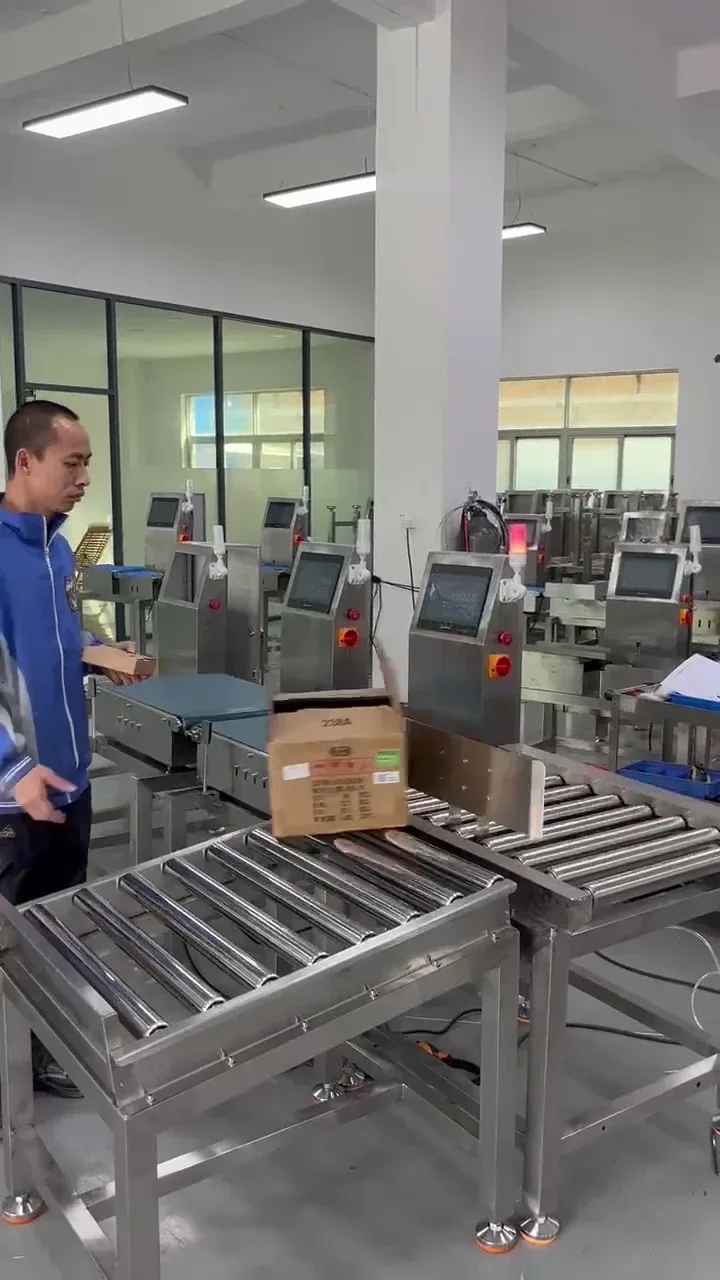
Use known good and deliberately marked test cartons for the reject confirmation trial. Follow each case into the good lane or the collection point. Agree how the equipment signals a full reject area or an unexpected result, then include those states in the trial plan.
Which one does the layout need?
Write the issue down as an observable event. If cartons arrive at the applicator bunched together, measure the available spacing and the time the applicator needs. If the marked failed carton ends up in the good stream, examine the route and confirm the tracking and final diversion. A line with both problems can need both functions, each at the point where it acts.
Give the packing line module team two drawings if the issue is hard to explain in words. Mark the waiting positions on one drawing and the passed or rejected routes on the other. Run the same marked cartons through normal production spacing and the approved restart sequence before accepting the result.
Which result belongs to each test?
- Metering, normal flow. Cases arrive individually at the trigger point with the intended gap.
- Metering, downstream hold. The next case waits in its agreed position and leaves in order when the hold clears.
- Rejection, single marked case. The marked case reaches the correct collection point.
- Rejection, two close cases. The two identities are carried through to their destinations, including where just one of the two is rejected.
Log the expected and observed position for each carton. Times help explain the result, especially when a case waited during the trial.