
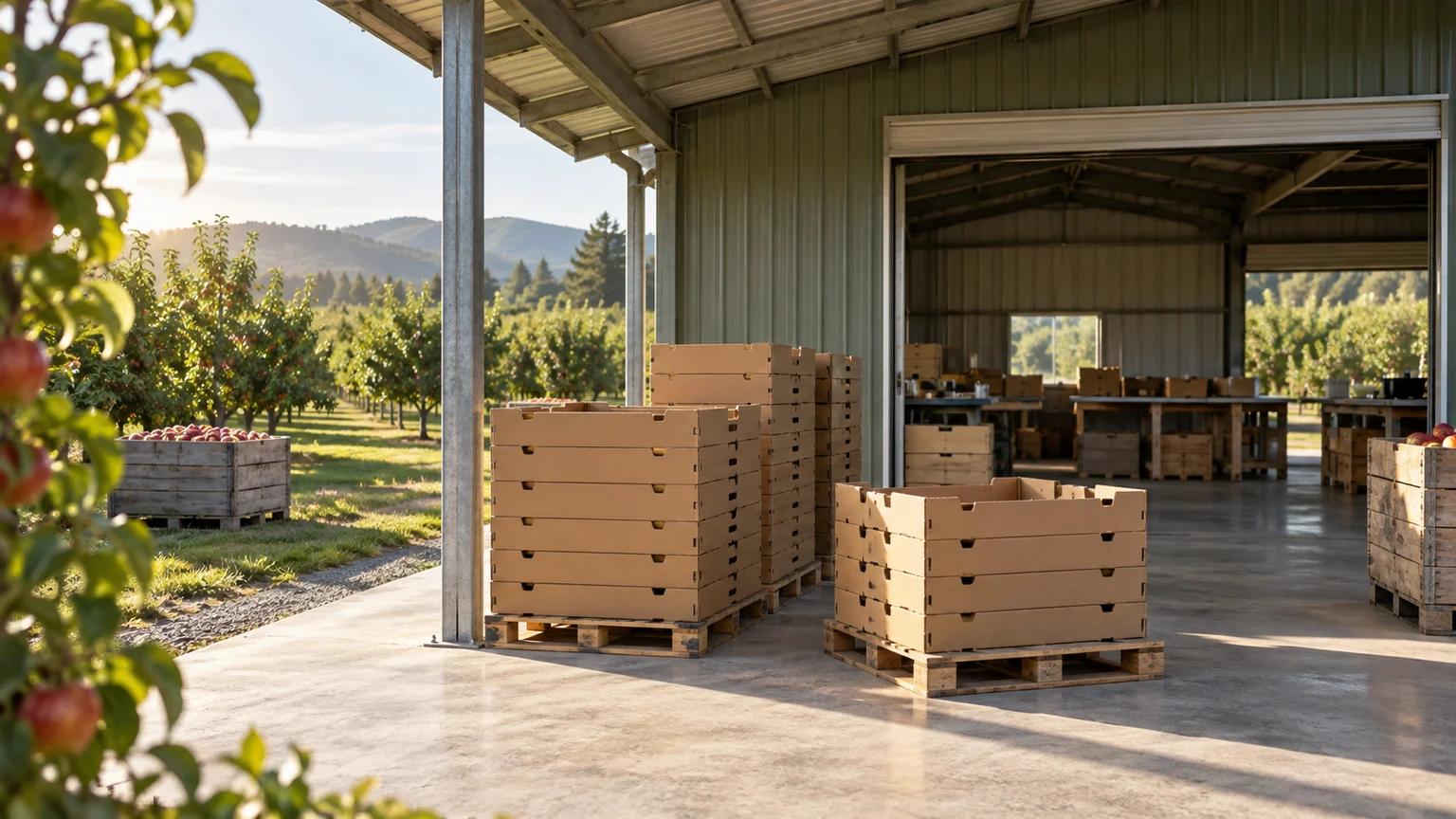
The enquiry began with a simple description of the buyer’s plans: just gathering market information. The business grew apples and avocados and also packed commercially for local growers. A discussion about fruit tray forming equipment soon reached a more specific question: could one arrangement handle two different tray sizes?
Case at a glance
This anonymized case covers an early procurement discussion. A final machine configuration had not yet been established in the available correspondence.
| Topic | Case context |
|---|---|
| Business | Apple and avocado growing, with commercial packing for local growers |
| Requirement | Fruit tray forming equipment for more than one tray size |
| Key decision | Changeover between formats or simultaneous production |
| Next inputs | Formed tray views, blank layouts, dimensions and output requirements |
| Documented stage | Initial enquiry; final machine configuration not yet established |
Start with the packing operation
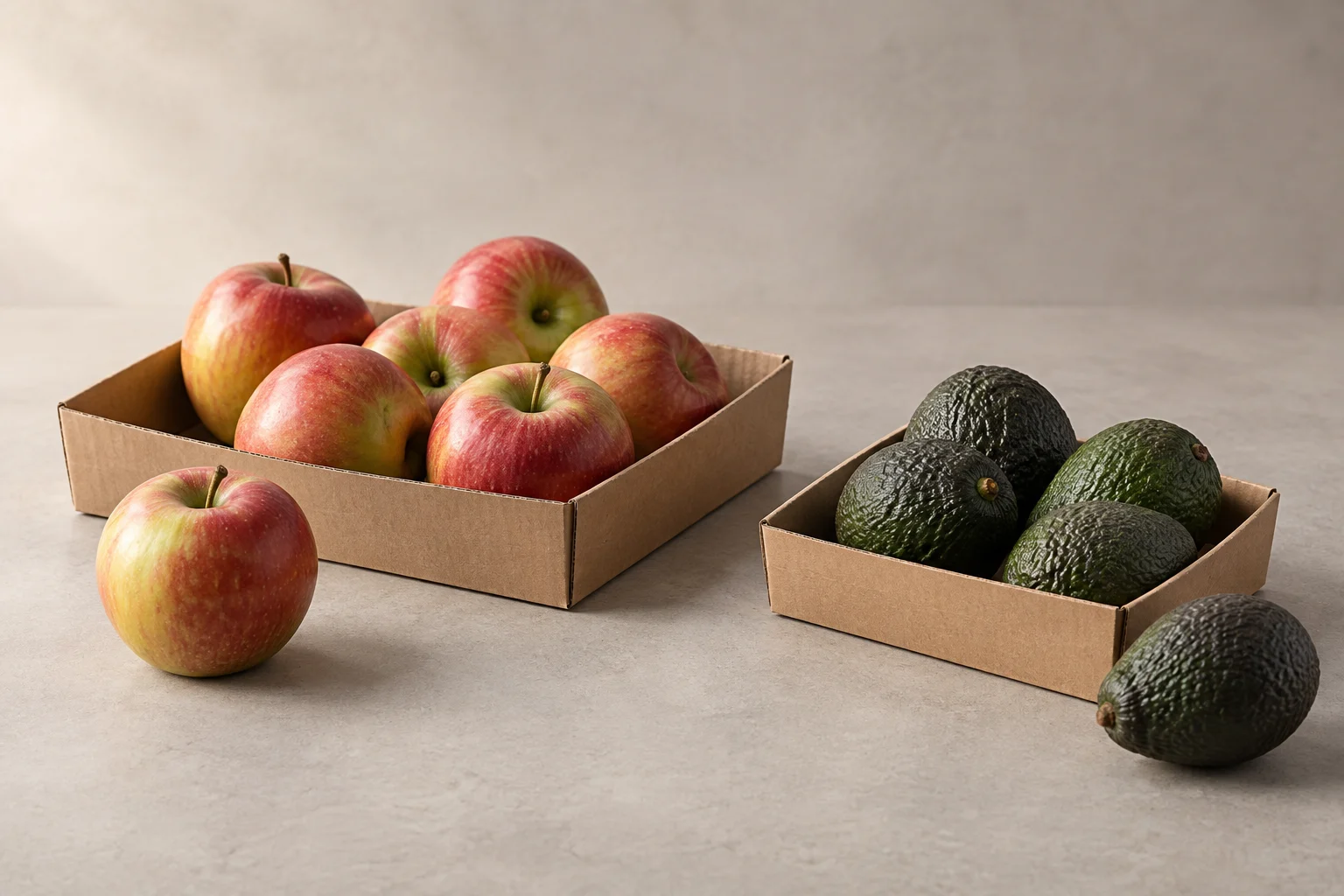
Our first reply asked what fruit boxes the business used and invited the buyer to send a photograph. The answer gave us two useful pieces of context: they grew apples and avocados, and they also packed commercially for local growers. Their packaging was mainly single-layer trays.
Packing the orchard’s own fruit and providing packing services were both part of the business. For the equipment discussion, the useful next question was which tray formats had to be covered. A fruit name alone would not explain the corners, folds or joining areas. We asked for carton photographs and length, width and height measurements.
One size at one end, another at the other
The buyer’s next question sharpened the brief. They wanted to know whether a machine could make different-sized cartons and described an arrangement with one size at one end and another size at the other. We asked for a photograph or video of that arrangement, together with the dimensions of the intended cartons, so the configuration could be reviewed with an engineer.
For a buyer with a similar requirement, this is the point to distinguish size changeover from simultaneous production. Running one format and then changing to another requires a review of the blanks, adjustments, tooling and available production time. Running both together adds questions about separate feeding, forming and collection arrangements.
The description was a starting point for that review. It did not yet establish a particular machine configuration or confirm that both tray sizes could run at once.
Price mattered, but the tray details were still to come
During the conversation, the buyer asked for an approximate price. We later supplied indicative price guidance and explained that the tray size and structure would affect the recommendation and quotation. The next request was practical: send a few photographs and approximate measurements to move the discussion forward.
The buyer explained why the measurements were taking time. They were busy planting and were not spending much time in the packing shed. The exchange was still an early equipment enquiry, with tray information to follow. A preliminary price discussion could help them explore options, while a defined quotation would need a clearer format and configuration brief.
A separate question about orchard equipment
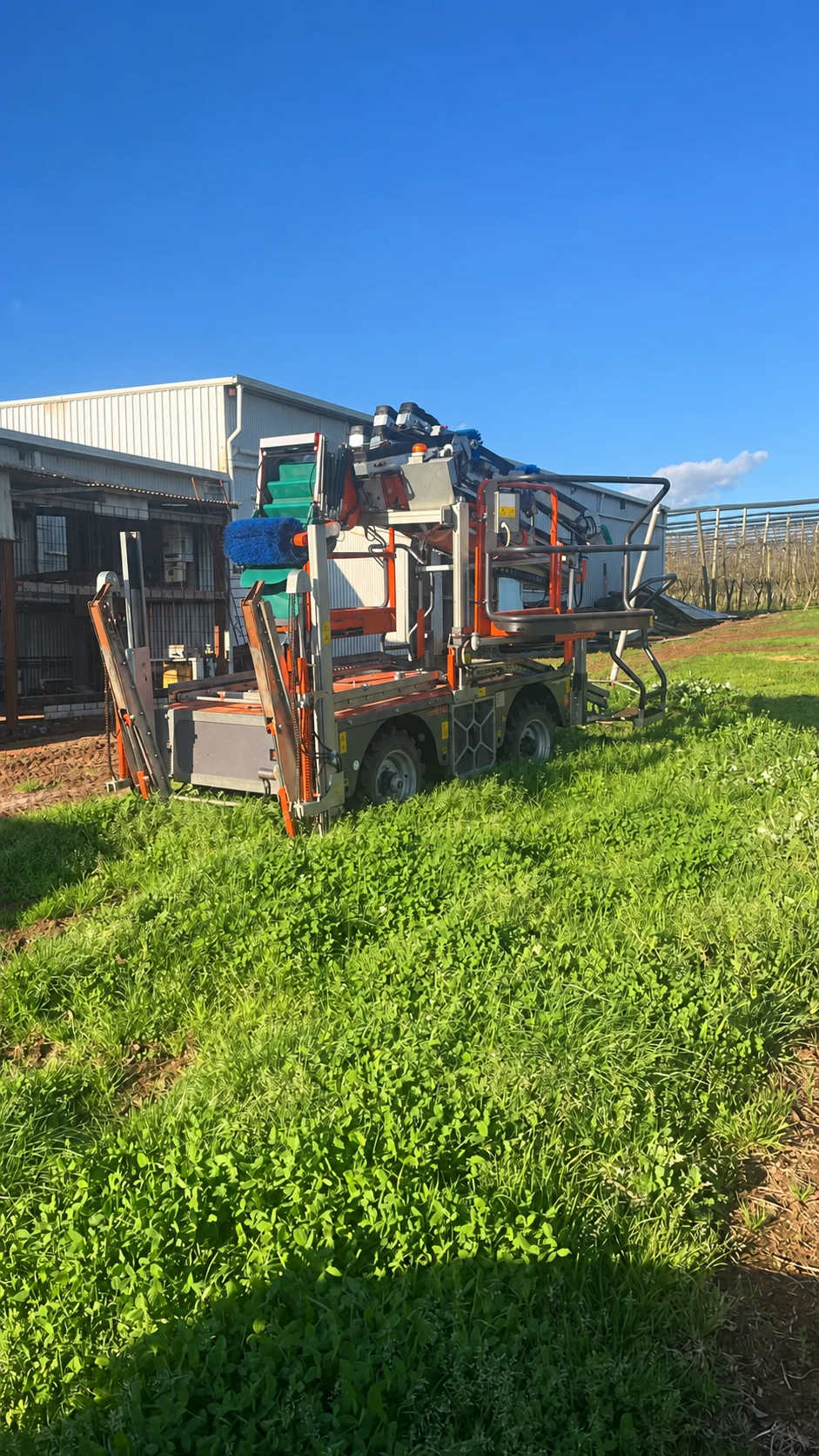
The buyer also asked about harvesting platforms and shared reference photographs of that equipment. We explained that Xunding did not manufacture harvesting platforms and offered to check possible sources. That was a separate enquiry from the fruit tray forming discussion.
The platform photographs helped explain that second equipment question. For the tray-forming proposal, the missing inputs remained the trays themselves: formed views, blank layouts, dimensions and the production requirement for each format.
What moves a similar enquiry towards a proposal?
For a similar enquiry, prepare a formed-tray view and a flat blank photograph or dieline for each format. These show the walls, corners, folds and joining areas that a fruit name or an overall dimension cannot explain. Add the finished length, width and height, and identify the board being used.
List the daily requirement for each size, the available production hours and whether the sizes must run together. Keep these requirements separate rather than providing only one combined daily total. If exact drawings are not yet available, photographs and approximate measurements can start the discussion; detailed configuration still needs the relevant dimensions and production information.
| Information to prepare | What it helps decide |
|---|---|
| Formed view and flat blank for each tray | Folding sequence, corners and joining requirements |
| Finished dimensions and board details | Format review and the material to use for trials |
| Daily demand and working hours for each size | Output requirements under the intended schedule |
| Batch changes or both sizes together | Whether the proposal concerns changeover or simultaneous operation |
| Reference layout photo or video | The arrangement to discuss with the engineering team |
Compare the equipment against the brief
The fruit tray forming range is the starting point for discussing prepared-blank tray forming. A model should become a candidate because its forming process and reviewed format requirements match the brief, not simply because a catalogue photograph shows the same fruit.
Price comparisons become more useful once suppliers are quoting the same scope. For a multiple-size enquiry, request a clear list of included tray formats, tooling, adhesive equipment where applicable, collection arrangements and changeover provisions. Any proposal for simultaneous production should identify the actual configuration and how that requirement will be checked.
Where this discussion stood
The conversation had moved from a general request for information to a more useful question about tray formats and how they would be produced. We knew the fruit categories and the buyer’s interest in multiple sizes. Tray details and the intended machine arrangement were still to be confirmed. The available record ends before a final configuration or a sample-trial result was documented.
If you are exploring fruit tray automation for your own packing operation, you can start at the same point: show us the trays you use and explain when each size is needed. That gives the equipment discussion a concrete brief, whether you are comparing options for the future or preparing a purchase now.
Can one fruit tray former handle several sizes?
That needs to be checked against all intended blank designs, dimensions and board specifications, together with the proposed machine and tooling. The number of sizes alone is not enough to confirm suitability.
Does size adjustment mean two sizes can run at once?
No. Changing a machine between formats and running two formats simultaneously are separate requirements. State which you need before comparing configurations.
What should I send first?
For each tray, send a formed view and a flat blank photograph or dieline. Add dimensions, daily demand and working hours, and explain whether the sizes run in batches or together.