
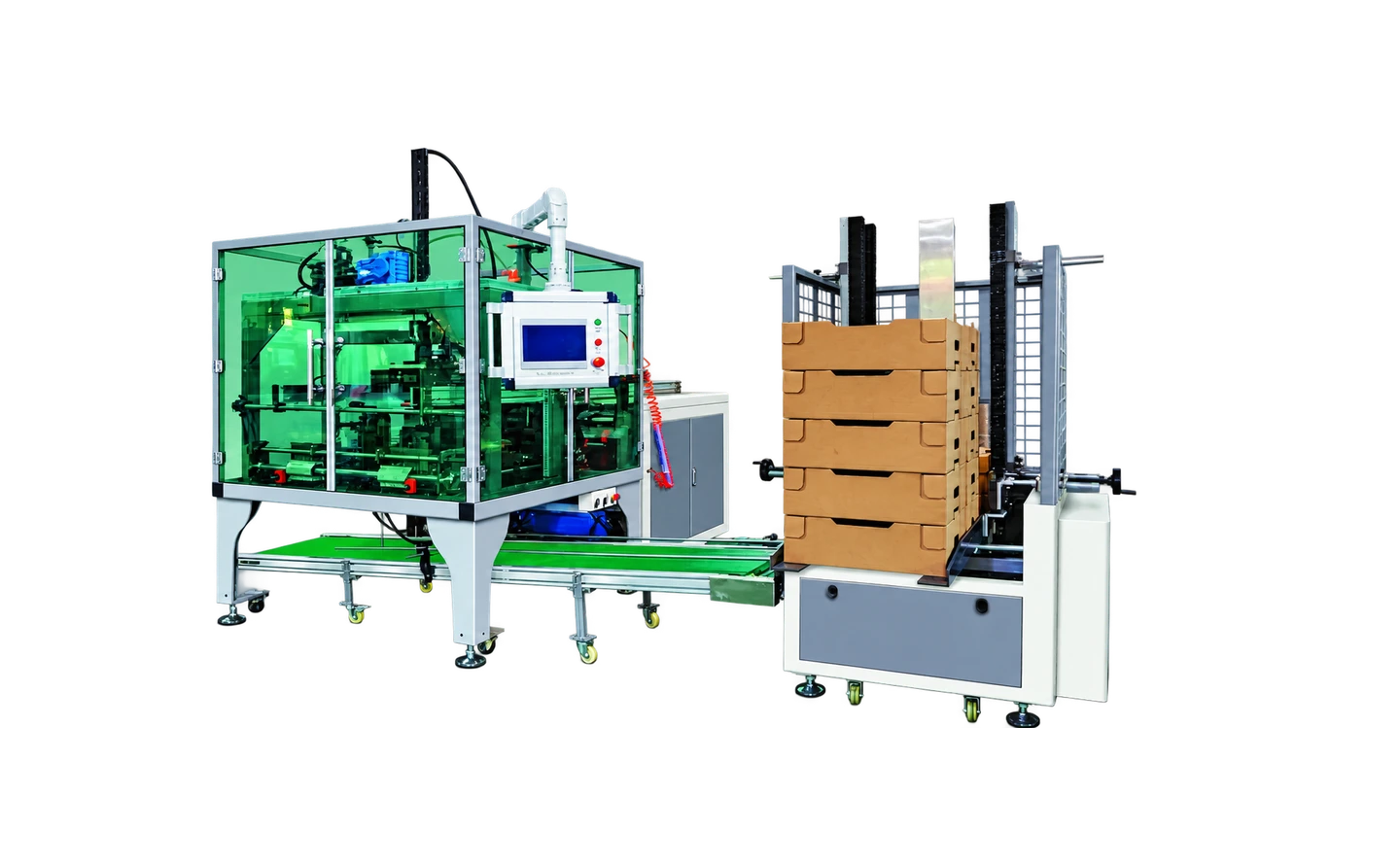
A sample trial should answer the questions that matter for your box: can the proposed setup form the intended structure, what do the finished samples look like, and how will output be recorded? Prepare the blank and material, then agree the checks before the trial. This checklist helps organise that discussion; acceptance criteria and the test scope are agreed for your project.
Identify the box, material and machine configuration
Give every trial box an identifier and attach its formed photograph and flat blank drawing or photograph. Record the finished dimensions and whether they are internal or external. Include the board specification, thickness, printing or coating and the joints that need forming or gluing.
Use blanks representative of the material intended for production. If a substitute is used, record what changed so that the result is not applied to a different board or surface without review. Agree the quantity needed for setup and the planned trial with Xunding.
Record the proposed model and configuration, tooling, feeding arrangement, gluing functions and outlet handling included in the trial. A test on one setup only describes that setup and the material used.
Agree what counts as an acceptable box
Before counting output, define the finished-box checks. These can include dimensions, squareness, fold position, corner alignment, the condition of glued joints and visible damage. For a particular packing task, add the checks needed by the buyer and the packaging specification.
Write the agreed criterion, the way it will be checked and who will review the result. The table below is a planning aid with open fields. Dimensional tolerances, bond checks, trial duration and allowable defects must be agreed for your box and project; this guide does not assign universal pass limits.
| Check | Record before testing | Record during or after testing |
|---|---|---|
| Box identity and dimensions | Drawing revision; internal/external dimensions; agreed criterion | Measured result and sample reference |
| Folds, corners and joints | Required structure and assessment method | Observations and accepted/rejected samples |
| Material and configuration | Production board, coating, tooling and included functions | Actual material and settings used; any differences |
| Output | Counting period and definition of an accepted box | Elapsed trial time; total, accepted and rejected boxes; interruptions |
| Changeover | Box A to box B; start/end points; required follow-up checks | Time recorded and first accepted samples after adjustment |
| Documents and open items | Agreed evidence and responsibilities | Result references; unresolved items; responsible person and next action |
Measure accepted output over a stated period
Record elapsed trial time, total boxes produced, accepted boxes, rejected boxes and interruptions. State whether setup, waiting for blanks, replenishment or changeovers are included in that period. Retain the conditions alongside the result.
Accepted boxes divided by elapsed trial time gives a rate for that recorded period. Convert the time unit consistently when expressing boxes per hour. A running-speed display or a short video clip alone does not establish accepted output for a working day.
Keep the catalogue reference, a particular trial result and the required daily production target separate. If a requirement depends on connected equipment or regular material supply, include those conditions when discussing the result.
Record changeovers as well as forming
If several box designs are planned, identify which transitions matter. Agree the start and end points for a changeover record and note the operator, tooling and adjustments involved. Keep tooling-change time separate from the time needed to prepare material and obtain acceptable samples.
After the change, check the new box against its own drawing and agreed criteria. A demonstration of one format does not confirm every size or structure in the proposed production mix.
See Xunding mould changeover material and its stated conditions
Distinguish a factory demonstration from site acceptance
Factory demonstration conditions and the installed production environment may differ. Define which box checks, operating conditions and project requirements will be reviewed before shipment and which require site acceptance after installation. Agree the scope and evidence with the supplier in advance.
Industry references illustrate why this distinction is useful. Pearson Packaging publishes separate discussions of testing materials and factory/site acceptance scope. The useful lesson for a Xunding enquiry is to make the intended test conditions explicit and record the result against your own project criteria.
Industry reference: Pearson Packaging on test materials and factory/site test scope (PDF)
Keep a result record and a list of open items
Save the box identifier, drawing revision, machine configuration, date, material and agreed criteria with the measurements, photographs or video references. Mark each agreed check as reviewed, unresolved or requiring another trial, and identify the next action for any open item.
The downloadable sheet has blank result fields so it can be used to prepare a discussion or document a real trial. Send Xunding your box photos, daily output and dimensions to begin the model discussion; the checks and acceptance record can then be tailored to the proposed configuration.