


The corner of a paper food box can hold because a tab is engaged, because an adhesive bonds the overlap or because two suitable layers have been sealed together. To tell which method a flat blank calls for, follow one corner from the cutting drawing to the finished sample. Its joint construction affects tooling, material choice and the condition you need to check at the end of a trial.
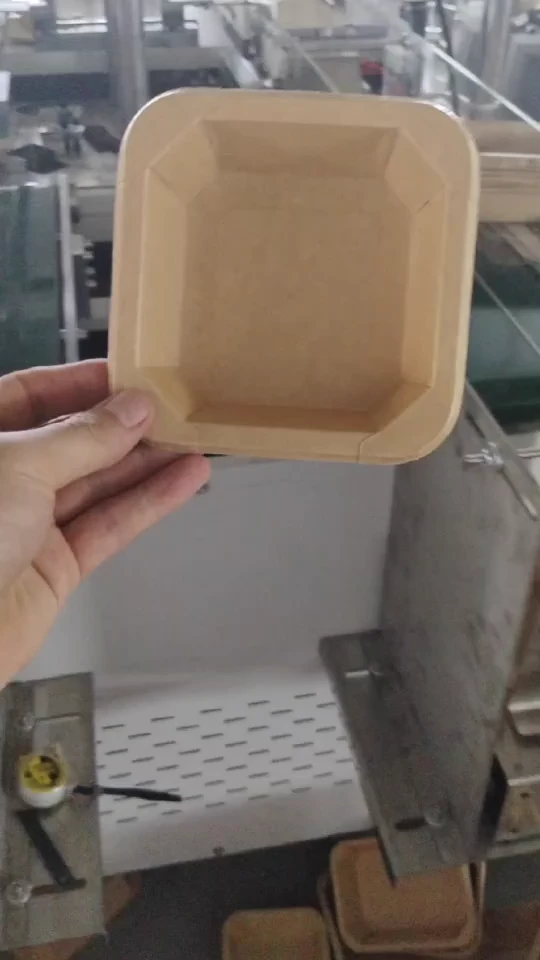
Mechanical locking
Follow the tab from the cut line to the slot. Fold the sample as the tooling would and watch which layers pass one another. Once closed, look for full engagement at the exit side of the slot and check whether the wall stays in place when the box is handled in its planned direction. A tab that catches at its tip can feel firm at first and slip as the box is nested.
Send the marked die line and board thickness. Include a sample at each end of the range if the same design is supplied in more than one grade. Stiffness and coating friction can change the way a tab enters a slot even when the drawing dimensions are unchanged.
Adhesive in the overlap
Open one approved corner and mark the surfaces intended to bond. Check that the adhesive is specified for those faces and that a visible glue line, if one is acceptable, stays inside the agreed area. Keep print and varnish positions on the drawing because either can change the surface being joined.
Compare several corners after the boxes have reached the same condition for handling. Check the joint as well as the box shape. A straight corner can hide a partly bonded overlap. Follow the agreed sample check so results from different trials can be compared.
Heat-sealed layers
Mark the two faces that meet in the joint. Get the paper and film or coating specification for those faces. For the RHZH-B paper and film heat-sealing former, suitability depends on the particular laminate and the layer that must be sealed. Use production material in the test and record the agreed sealing conditions. Inspect the joint when the box reaches the expected handling condition.
Choose the process from the confirmed construction and what the finished joint has to withstand. On the sample sheet, show one detailed corner drawing, name each joined face and state how a good sample will be checked. The paper food box forming range is a starting point for matching that brief to equipment.
Compare the three results at one corner
Read the sample corner as a small drawing rather than from a distance. A mechanical lock has a point at which the tab engages the slot. A bonded overlap has an intended bond area that continues beneath the outer layer. A heat-sealed joint has a line or zone where the two compatible faces join. Mark that feature on the trial photograph, then link it to the sample number and material batch.
If the package is intended for a particular filling or temperature, state that condition separately and arrange the suitable package test.