


A paper food box can fit its lid while it is still warm from forming, then bind once the boxes have cooled in a stack. The first things to check are the rim profile and the shape of the corner below it. A curled edge, a flat flange and a folded corner each put different demands on the blank, the forming tool and the way the finished boxes nest.
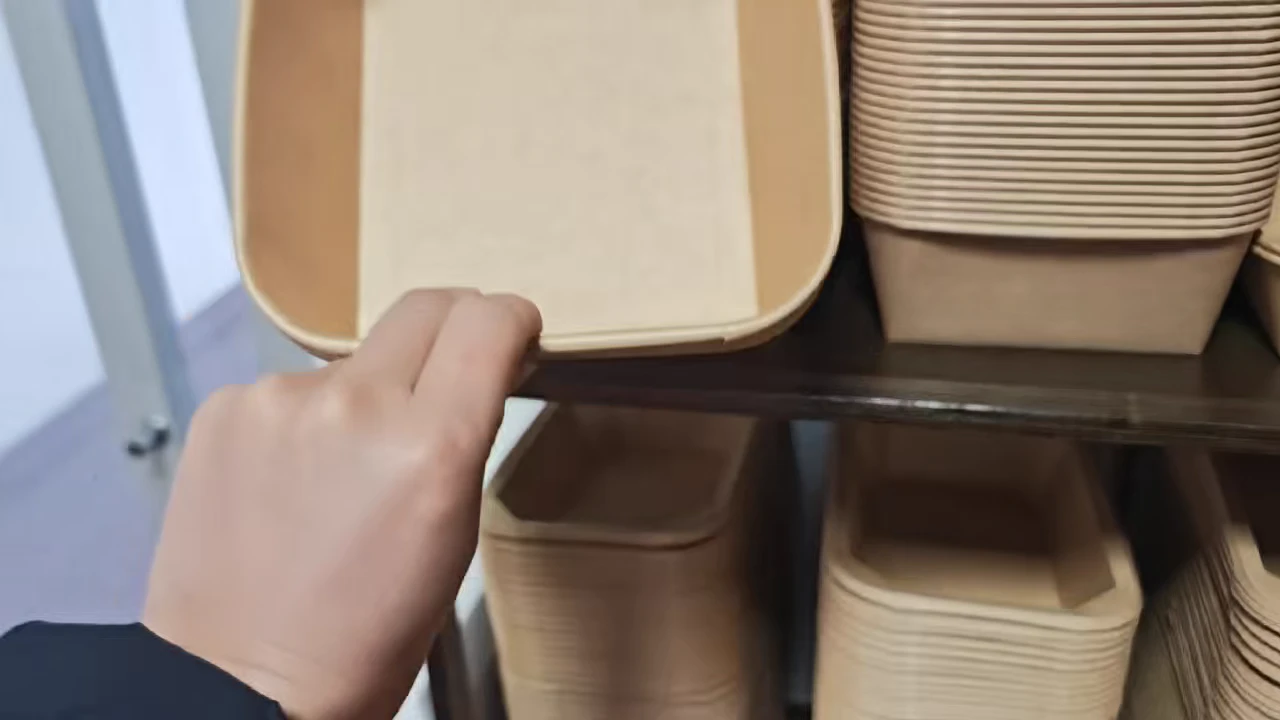
What the finished rim has to do
Lift a finished sample to eye level and look along the edge. Follow the full perimeter, including the rim where it passes a corner. A curled rim turns the top edge into a rounded profile. A flange leaves a surface projecting from the wall. Ask which surface the lid actually grips or seals against. A sample with the right outside length and width can still miss that surface if the height or cross-section of the rim changes.
Show the matching lid beside the box in the brief. If a lid snaps over the rim, include one photograph with the lid on and another of the underside of the lid off the box. If a film seals to a flange, mark the sealing land on the section drawing. Include any corner where the usable land narrows.
Check the corner and the stack
A right-angle corner describes the wall geometry. The finished rim is a separate callout on the drawing. At the corner, look for an overlap that rises into the lid path, a fold that springs back or a coating that visibly cracks. Photograph all four corners. A single clean corner is easy to find even on a sample with an uneven joint.
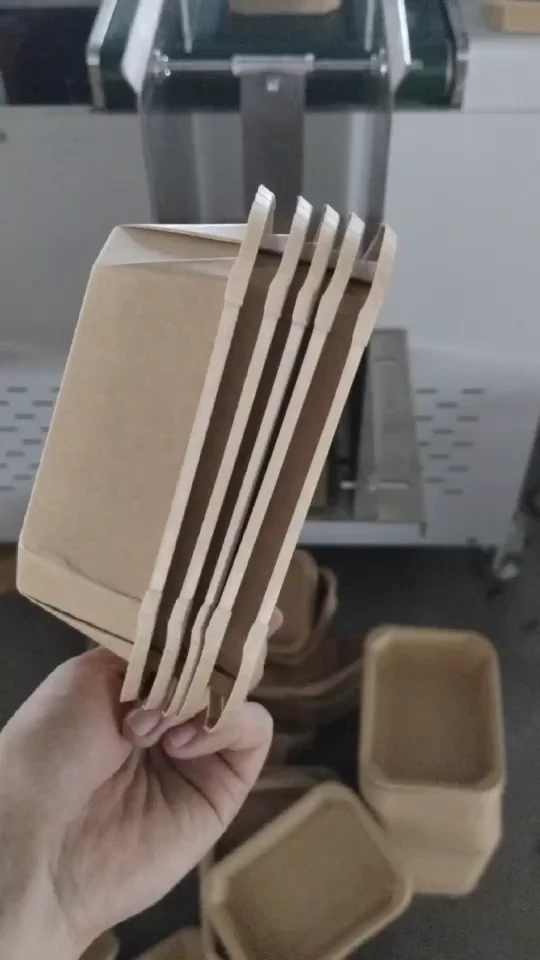
Try the same lid on several boxes after they have cooled under the same conditions. Then stack them in the direction used at packing and lift the top box. Record where resistance begins. If two boxes lift together, check whether the rims interlock, the base catches the box below or a corner has spread. Keep the samples in order so you can trace a problem to a forming run.
Match the brief to the machine
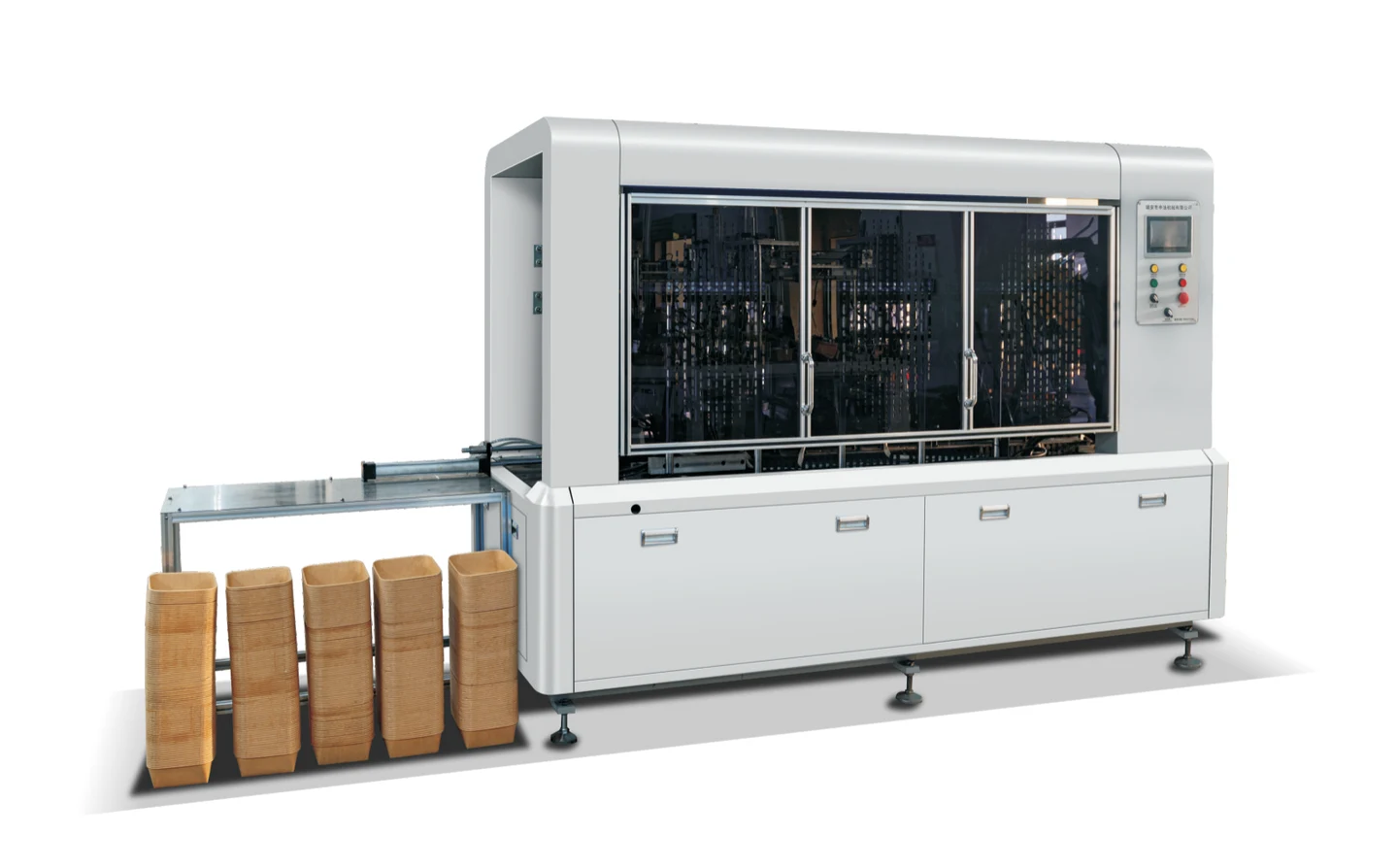
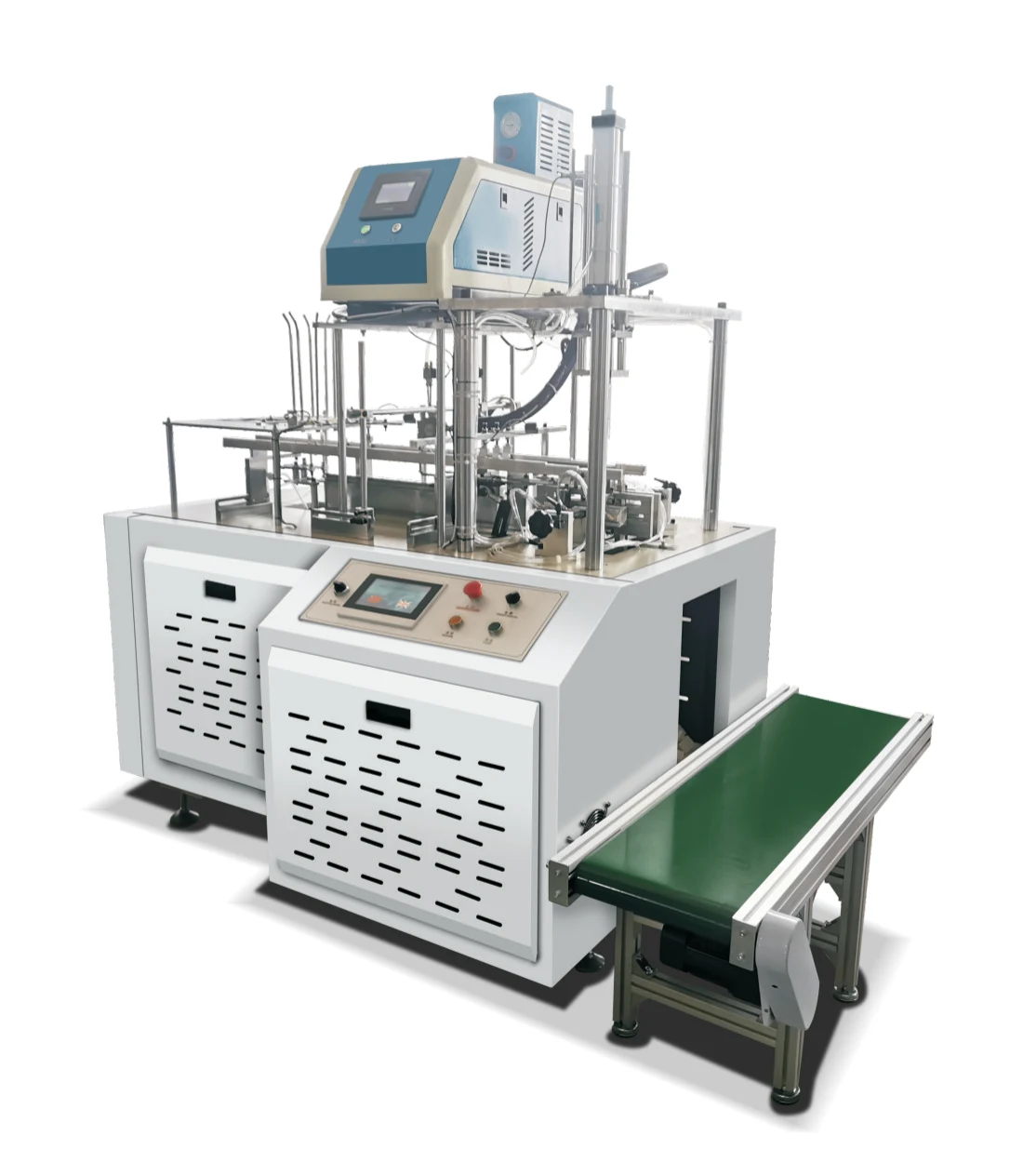
The ZF-D curled-rim former is a candidate when the specification calls for a curled edge. The ZF-500 right-angle former gives you a catalogue starting point for right-angle paper boxes. Confirm the joint, rim and material on the proposed tooling before choosing a configuration. A model name alone gives you very little detail about a specific lid.
Send the finished box and lid, the flat blank drawing, both coating faces marked, and the intended stack or dispenser. A section through the most difficult corner is worth including. Keep one approved pair beside the machine during the trial so fit, shape and release can be judged against the same reference.
Samples to send with the drawing
Keep the samples in three groups. • Lid fitting. One approved assembled pair and one separate lid, with the engaging surface marked. • Forming. Flat production blanks with the board grade, coating face and batch identified. • Nesting. A short stack taken from a normal run, in the same orientation used at the packing station.
If two lid suppliers are in use, submit both. Label them separately on the trial record. A fit decision made with one lid only applies to the pair tested.