


A dual-station paper box former gives you a second forming position. The useful comparison begins at the outfeed, where you can count how many acceptable boxes each arrangement delivers with your board and tooling. Consider the way blanks are supplied, the space both stations need and what happens when one stream falls behind. These conditions can change the choice even when the two catalogue figures look far apart.
What does one station handle?
In a single-station arrangement, one forming tool carries the job. Set up the tool, supply the blanks and follow the formed boxes to their collection point. A short batch can be straightforward to follow when every sample comes from the same position. If the next format needs different tooling, the line plan should allow for the full change and verification of the first acceptable box.
The ZF-500 right-angle paper box former is a single-station candidate for that geometry. Use the proposed corner closure and paper in its trial. Track the time to the first good box, then count the boxes produced in a representative run.
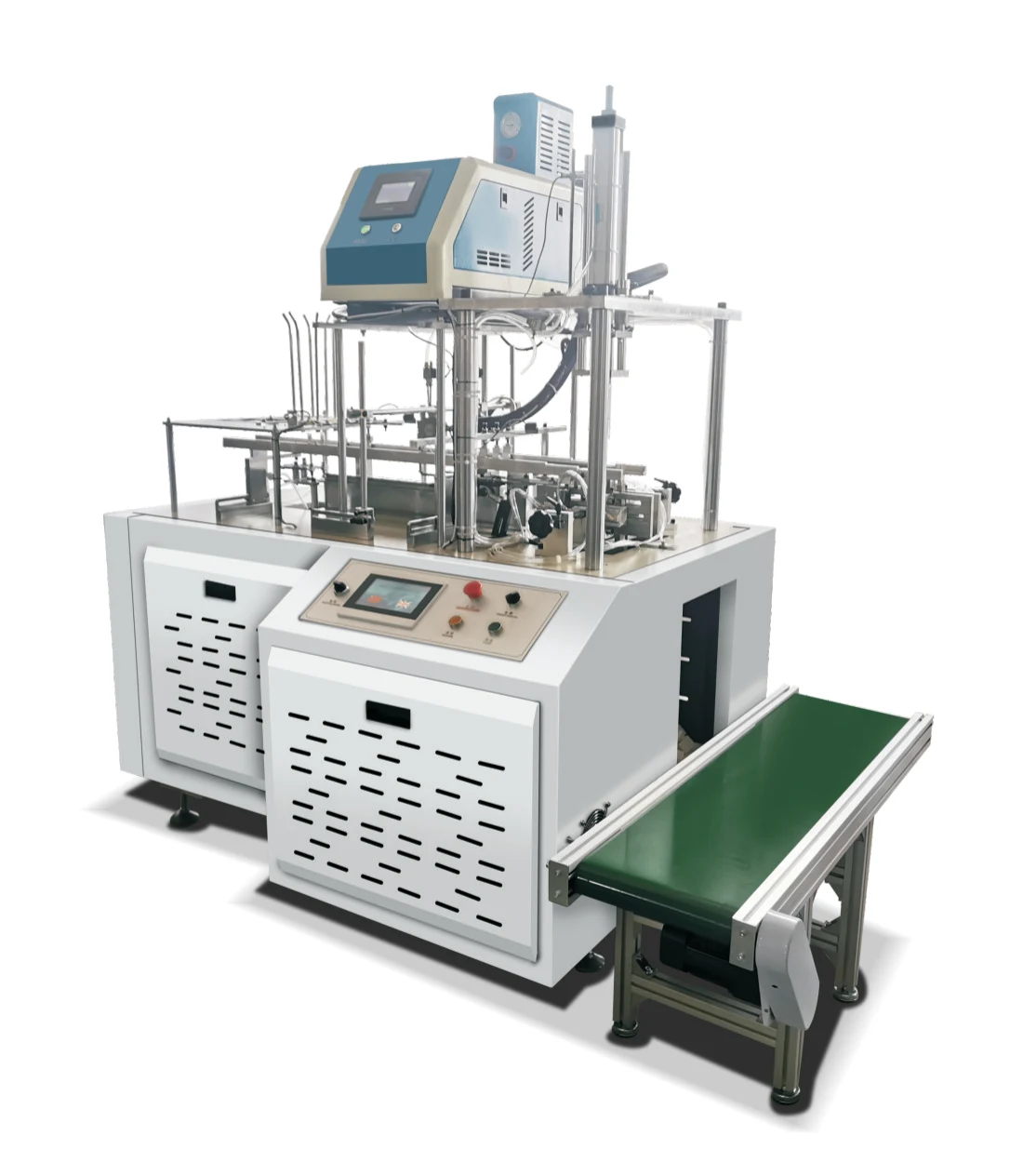
What changes when there are two stations?
Two positions give the machine another place to form boxes. Ask how blanks reach each tool and how finished boxes leave it. If outputs merge, identify the point where one backed-up stream can obstruct the other. Ask whether the proposed machine can run a single station independently if the order mix requires it and confirm this in the trial.
The ZF-1400Plus dual-station paper carton former lists output for the complete machine. Ask for station-by-station counts for the trial, then compare the combined count with the downstream requirement. That way you can see both the total and any difference between the positions.
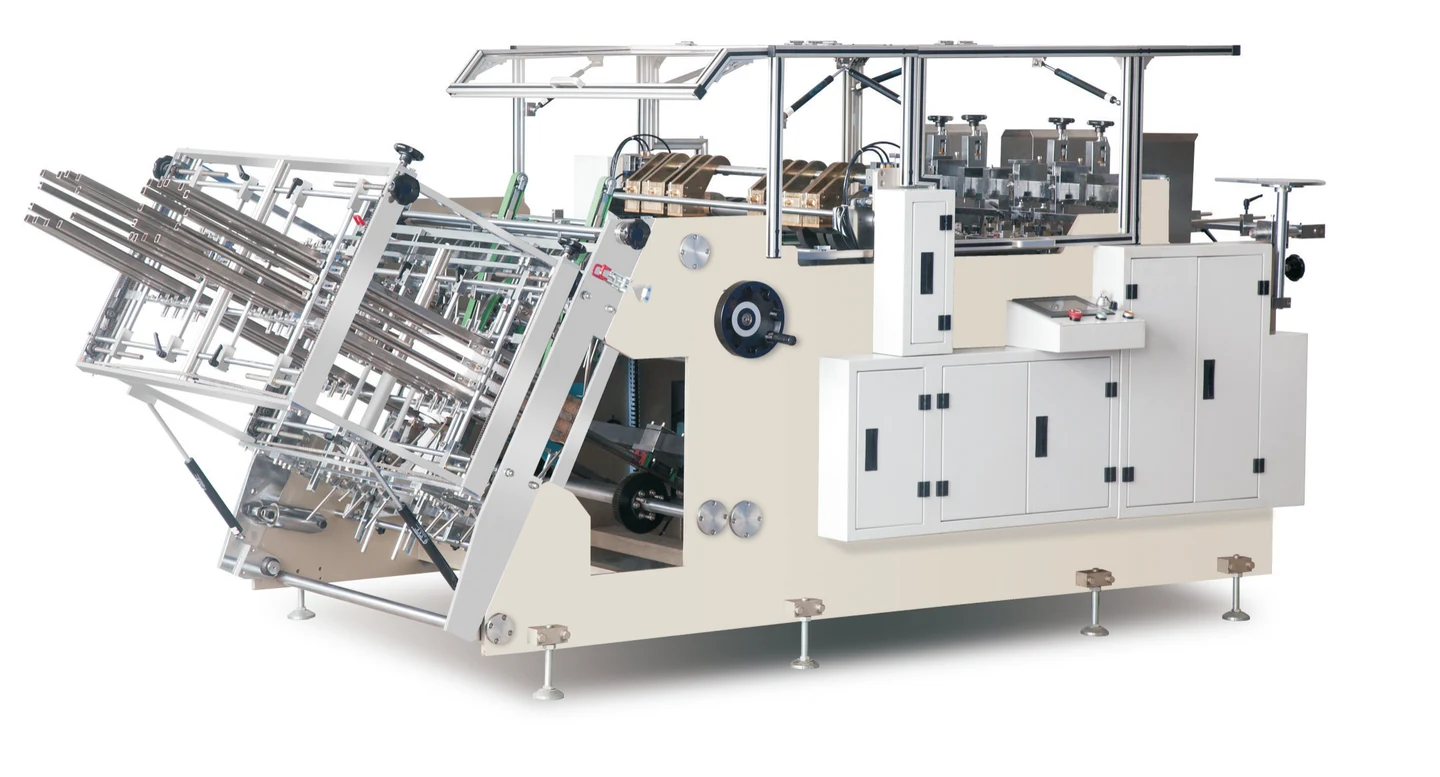
Compare both on one order pattern
Give both arrangements the same set of blanks, a representative batch size and the same criteria for fit, corner condition and nesting. Write down stoppages from replenishment, rejects at start-up, and shortages or backups at the outfeed. Put the changeover period in the shift plan so the shift comparison includes the time lost before acceptable output resumes.
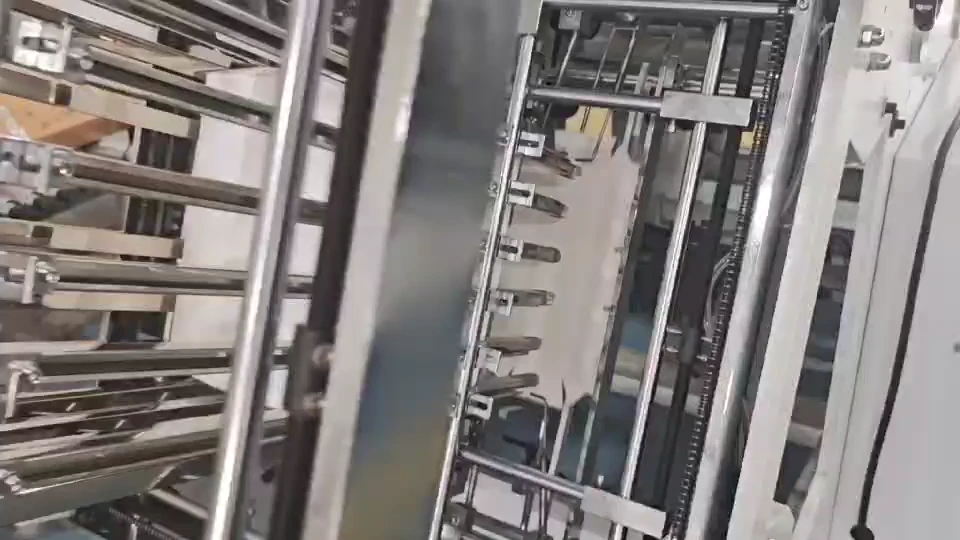
One useful result is accepted boxes by format per shift. Another is the number of interventions needed at each station. Read the two together. A second station is especially worth trialling when the order has enough repeat work and the collection or downstream line can take the extra output.
Where does the second station earn its floor space?
Put one short run and one long run on the same comparison sheet. In a short run, the time needed to approve the first boxes from each station can dominate the shift. In a long repeat run, reliable feeding and takeaway can make the extra forming position valuable. Keep any downstream staffing or collection difference on the sheet.
Ask the operator to record when each station stops and why. A blocked collection point and an empty magazine require different changes. The accepted count tells you the result and the stop record shows where to improve it.