


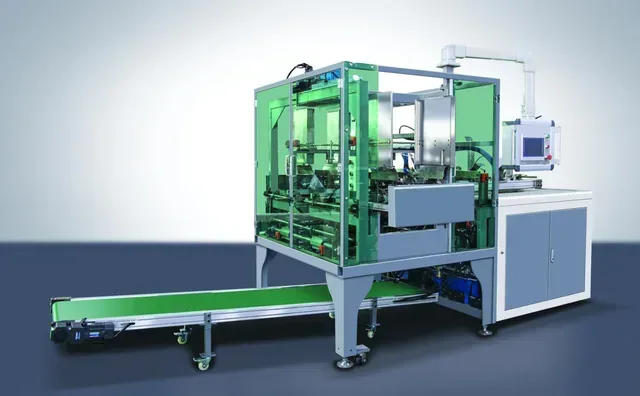
A three-piece fruit box uses a base and two end pieces. Review them as a set before confirming the former and its replenishment sequence. Identify whether the end pieces are identical or handed, then estimate how many complete sets each supply position can cover. The part that runs out first governs how long the line can assemble boxes without replenishment.
Label the parts the moment you review the drawing
Give the base and the two ends drawing identifiers. Mark their leading edges and the face that will be on the inside of the finished carton. If the end pieces are identical, record how each is turned or presented in the proposed assembly. Where they differ, separate the sample sets and make the orientation easy to check during replenishment.
Count complete sets, not loose pieces
Work through one finished box and list the quantity of each piece it consumes. If 120 bases are available and there are 90 left ends and 100 right ends, the illustrative stock supports 90 complete sets before allowing for rejects. If the ends share one supply, divide their usable count by two before comparing it with the bases. Keep damaged pieces outside that count.
Check how the line handles a missing component
Ask the supplier to describe what happens if one component supply runs low or a piece fails to enter as expected. During the proposed test, use the line's normal controls and agreed procedures to observe the expected response. Describe how incomplete assemblies are identified, where they are collected and what is verified before the next acceptable box is counted.
Tie replenishment to the part with the shortest coverage
Estimate replenishment in complete sets using the accepted production rate and the number of usable pieces staged for each position. Review whether the operator can reach each supply point without mixing sizes. Keep the remaining pieces identified during a changeover, especially when end panels from two orders look alike. Ask which checks the selected line can perform and which are handled by the operator.
Submit a matched sample pack
Send the marked base and end drawings, one finished sample and production stock for each part. Compare the arrangement with three-piece box machine options. In the trial record, note complete sets fed, shortages by component and accepted boxes at discharge. That record connects the paper supply plan to real output.