


A neat stack can be awkward at the filling table. The first box lifts easily, the next brings a second box with it, and the operator has to separate them before filling. For a useful forming trial, take the stack to the point of use.
Look at the contact band
Nest two boxes slowly and note where they first touch. Depending on the design, contact may be near the rim, along a wall or at a folded corner. Repeat with the normal stack height. Check boxes from the top, middle and bottom separately; the one that spent time under the stack has seen a different load from the one on top.
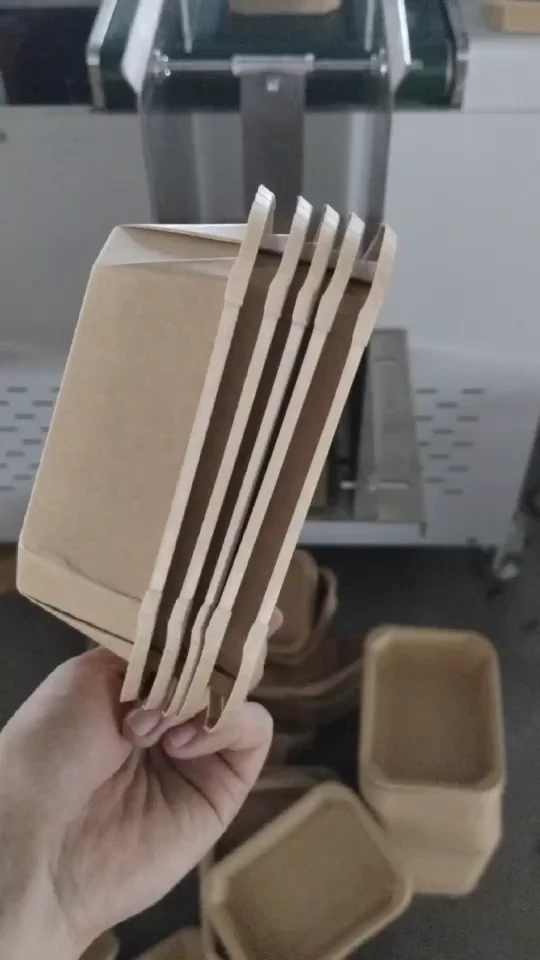
Count releases at the filling point
Use the customer's usual handling method and record single lifts, double lifts and boxes that need reshaping. If the boxes normally travel in a sleeve, repeat after that journey. Record storage time, stack height and blank lot with the result. A video from the side should show the second box as the first one is lifted.
How should double lifts be reported?
For a trial of 50 picks, three double lifts mean three of the 50 pick attempts needed intervention. Do not record that as three damaged boxes unless damage was actually observed. Separating release problems from deformation helps the forming and filling teams investigate the right issue.