


A top sheet covers the upper surface of a pallet load. A top wrap describes the band of stretch film around the upper course. These serve different parts of a stacked carton load, and the right layout may use both. Decide which surface you need to cover, which layers need restraint and how the pallet will be handled afterwards. A marked drawing makes those requirements visible at trial.
What does a top sheet cover?
A sheet lies over the upper face. Its side overlap depends on the size of the actual loaded pallet, the way the sheet is placed and how the edge is held. Draw the intended limits on a top view, then mark the overlap down each side. If carton heights differ, inspect what happens at the tallest corners and at any steps between rows.
Be specific about the exposure. A temporary dust cover in storage and a load exposed to rain during an open transfer have different requirements. A film layer across the top gives you a coverage check. Any claim about water protection needs a test under the stated exposure and agreed acceptance conditions.
What do top wraps hold?
Top wraps encircle the upper course and can help keep the outer cartons together. The film path, carton strength and load shape determine how the result looks. On a soft upper edge, watch for compression. On a tall stepped load, look for bridging where film spans a gap between cartons.
To read the side-wrapping result, follow the bottom anchoring and top wrap guide. Record which layer moves and where the edge changes shape. Then study the sheet separately by looking down at the load and checking the overlap after ordinary handling.
Where is a separate sheet worth specifying?
If the top must be covered, mark the required area and side overlap on your sample plan. Agree when the sheet goes on, how its edge is held and who checks it after the pallet is moved. The FD1650 top-sheet wrapping configuration combines wrapping and a top-sheet operation. Confirm the exact sequence and film handling with the proposed configuration.
At trial, record top coverage and upper-course movement on separate lines. Examine the most awkward corner after the planned handling route. A pallet that meets both checks gives you a clear example to attach to the order and reproduce at handover.
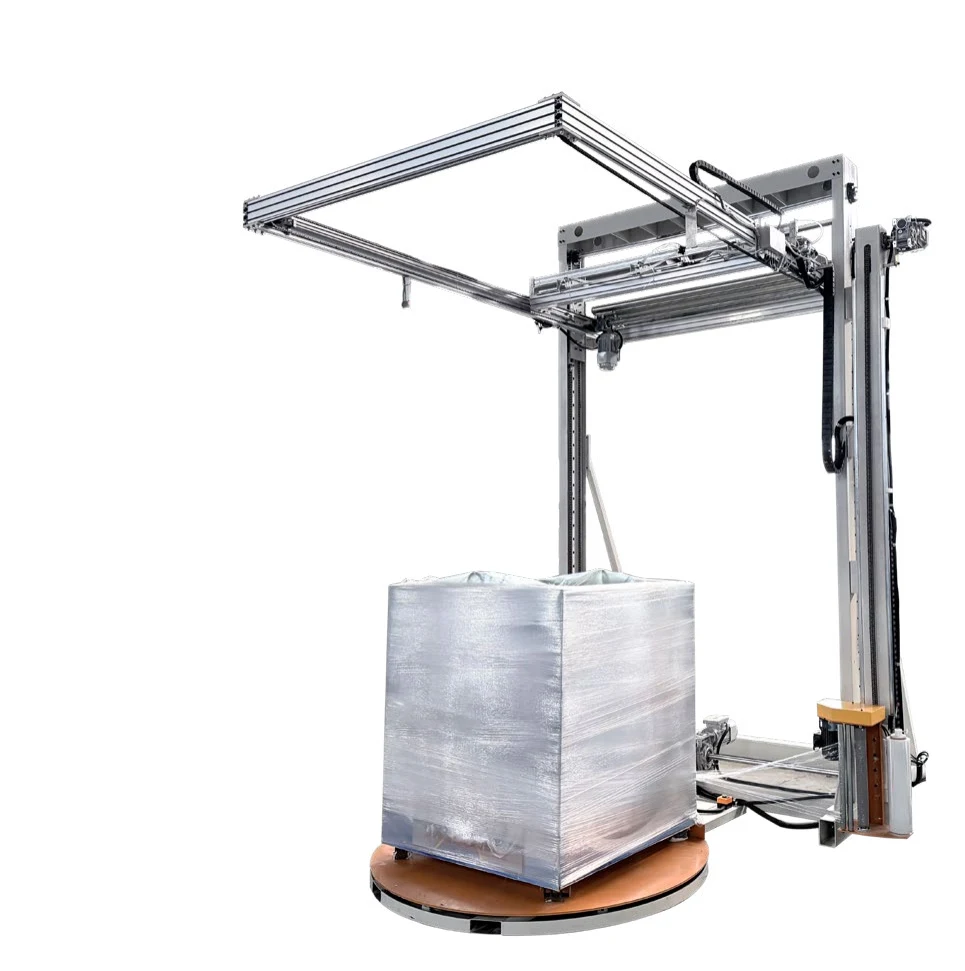
Compare the result after handling
Read the two checks from different viewpoints. From above, mark any uncovered corner, split or lifted sheet edge. From the side, check the upper carton courses for a changed profile or displaced box. Record both after the load has been wrapped and again after the normal transfer.
An intact sheet can move with a carton beneath it. A tidy side wrap can also leave exposed top corners. Keeping both views in the trial photographs gives the handover team a practical way to identify the difference.