


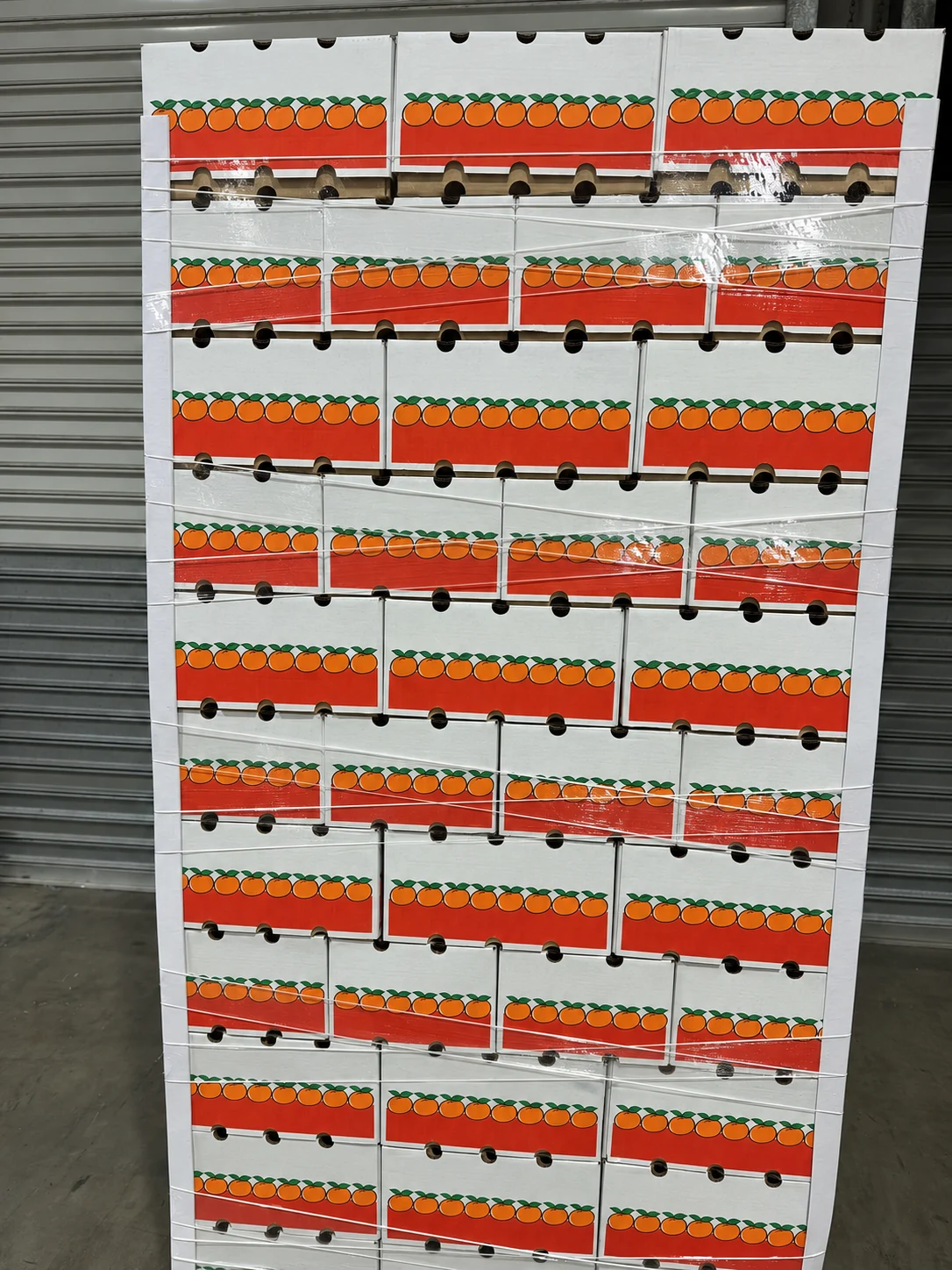
A wrapped pallet may shift as a complete load, or the top cartons may move while the bottom remains tight. Those two failures need different checks. Divide the load into the pallet-to-load joint, the middle courses and the top layer. Set what the film must do in each zone, then inspect the wrapped load after the handling it will actually face.
Bottom wraps: connect the load to the pallet where appropriate
Inspect the joint between the first layer and the pallet deck. Film applied low enough can link the load to the pallet when the design calls for it. Check what the film crosses along the deck edge. If it spans a fork entry or overlaps a rough corner, a normal fork move can puncture it. Mark the usable lower wrap line on a side photograph, including any areas that must stay clear. Agree that line with the people who move the pallets. An extra revolution at the wrong height cannot keep the fork opening clear.
Middle wraps: hold the courses without hiding a weak stack
Look for carton steps, mismatched footprints and cases that extend beyond the pallet. The height covered by each revolution depends on the carriage travel and load movement, so judge overlap on the actual pallet rather than from a recipe name. Increase or reduce coverage only after identifying which layers moved. Where the load contains light cartons or weak corners, inspect for deformation after wrapping. If a tier has slipped because the support below is incomplete, changing the pallet pattern may address the movement more directly than adding film.
Top wraps: check the layer, corners and the film tail
Determine whether the top cartons need side restraint near the top edge or a separate cover. A side wrap near the top and a top sheet serve different purposes. Confirm how far the film may travel above the last carton and whether corner protectors or a top sheet affect the wrap. Inspect the upper corners for crushing, especially when the final tier is smaller than the one below. Check the cut or fastened tail after moving the pallet. A loose tail caught during transfer can undo an otherwise acceptable finish.
How the wrap changes with four common loads
For equal-size shipping cases, start with a square stack and inspect bottom attachment plus top-layer shift. For a mixed-height load, plot steps and exposed corners before choosing overlaps. For light or crush-sensitive cartons, judge corner damage as well as movement. For ventilated produce cartons, identify any required openings before setting a wrap profile. Photograph those same openings after wrapping. An agreed gap can protect airflow access in that configuration. Its suitability depends on the packaging and handling requirements and must be confirmed on the actual load.
Set acceptance by the location of movement
Use a removable mark across the pallet-to-load line and take a separate photograph of the top layer. If the lower mark moves but the top layer remains square, inspect the bottom anchoring before changing the top wraps. If the top layer moves while the lower mark stays aligned, examine the upper profile and carton support. Keep the same handling sequence for both trials.
Use one record for both trials
Keep the pallet pattern, film type and handling route comparable. Record the planned wrap zone, actual overlap, visible deformation, tail position and signs of movement after the same handling sequence. If the second profile adds wraps, state where and why. You can weigh film separately if consumption also matters. An accepted profile is one that meets the agreed handling and packaging conditions. The number of turns is a setting that helps reproduce it.