


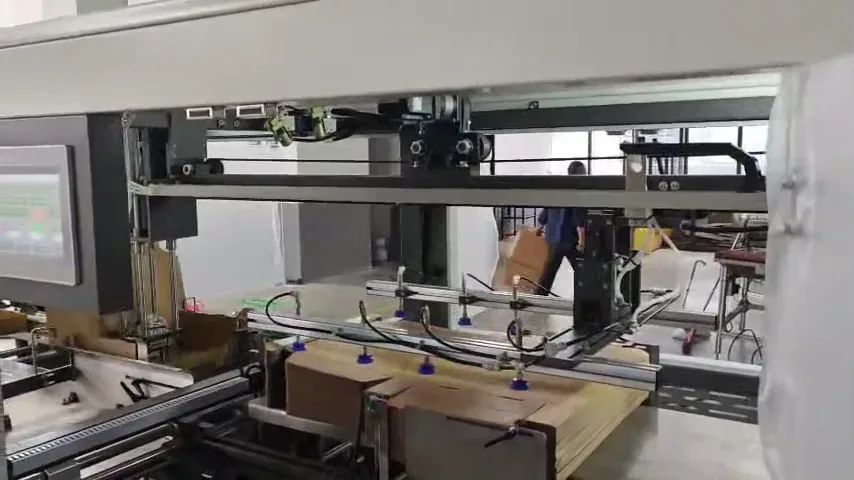
A shallow mailer should be reviewed as a flat blank and a closed box before the forming trial. The low side wall leaves less distance between folds, while the locking tabs, slots and lid still have to meet in the correct order. Show the exact dieline and board sample, then agree whether the machine hands off an open body or a fully closed mailer.
Is the blank self-locking or glued?
Fold one sample by hand away from the machine. Identify the joints held by tucked tabs and those specified for adhesive, if any. Mark whether each lock is engaged during forming or during final closure after filling. When sending samples, include the hand-folded box so the intended tab positions can be seen without guessing from the artwork.
Why do small changes to the board matter?
A tab that fits in an ideal blank can drag when the board springs back or the crease sits slightly differently. Inspect the entry to the slot and the return fold that backs up the wall. Use production board and representative print or coating on trial samples. If you source the same dieline from two converters, keep their blanks separate and record which batch was run.
What should be visible at discharge?
For an open-body handoff, check whether the walls stay up while the box is carried to filling. For a closed sample, look for trapped tabs, a lid that sits proud and whitening or tearing near the folds. Compare the lightest empty sample with one holding the intended product, where the trial scope includes loading. Keep photos of the same corners from each sample batch.
Can a drawing alone prove the fit?
A dimensioned dieline establishes the intended geometry. A trial reveals how the board behaves after cutting, creasing and folding. In the report, keep the artwork revision, board specification and folded sample together. When the box is intended to stack open at the next station, include that stack height and orientation in the trial brief. The same lid may close acceptably but foul a neighbouring box during collection.
What to Send for a Mailer Box Machine Quote
Send two references for each mailer size. First, send a clear photo of the entire blank laid flat, or the dieline if you have it. This shows the flaps, slots and fold lines we need to check. Second, send a drawing or photo of the formed box with the outside length, width and height marked in millimetres. Tell us how many finished boxes you need per day and how many hours per day you expect the machine to run.
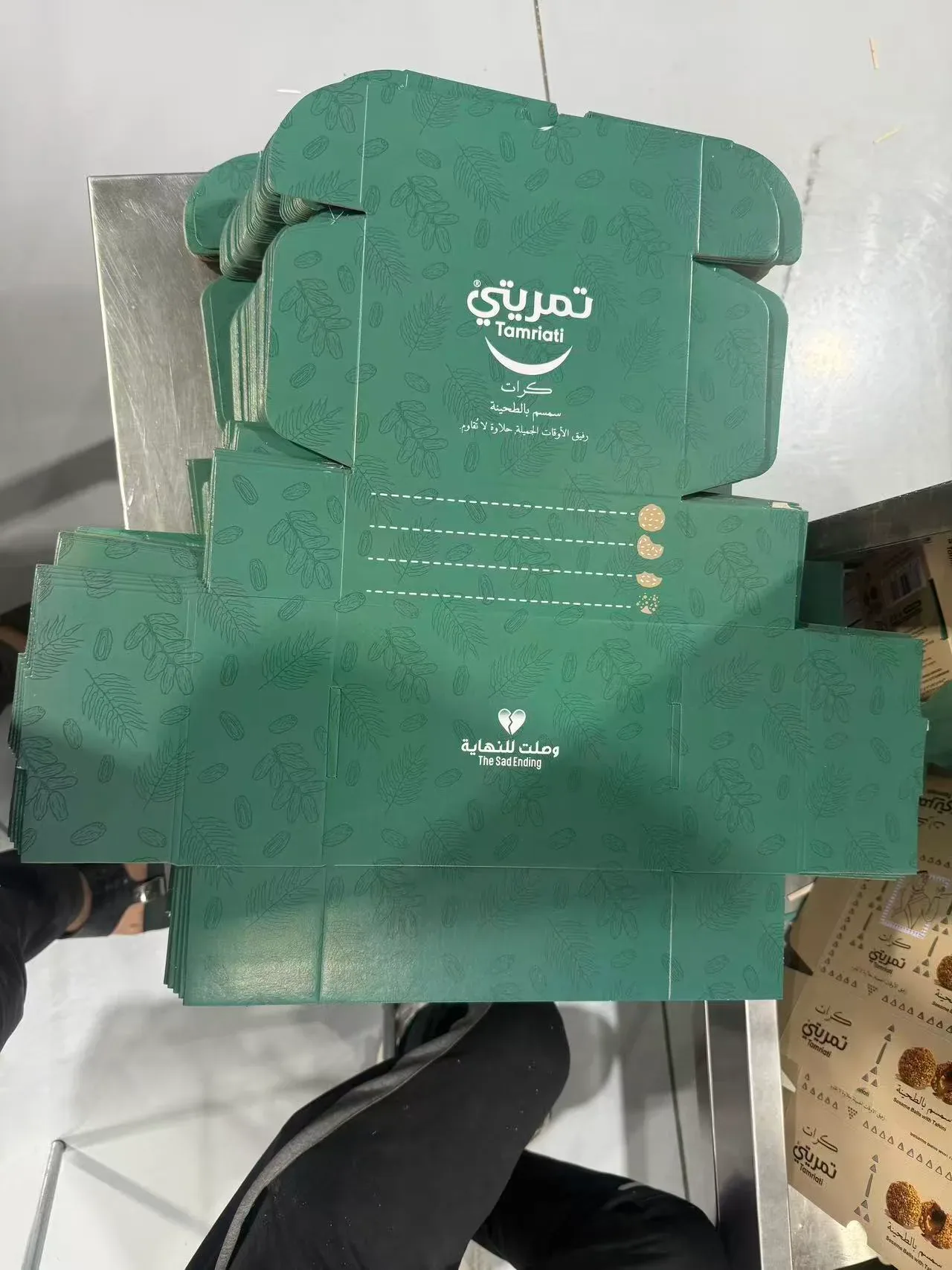
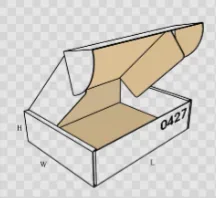
Divide the daily quantity by the planned running minutes to estimate the required average rate in boxes per minute. For example, 6,000 boxes over five effective running hours calls for an average of 20 boxes per minute. If breaks or size changes are included in the shift, allow for them when estimating actual running time. We use the box structure, dimensions and required output to confirm the suitable machine model and configuration. Once the model is confirmed, Xunding can prepare the quotation.