


A locking tab holds a carton corner once the tab seats behind the corresponding slot or fold. A glued corner transfers load through the bonded overlap. To choose a forming method, look at how each joint stays closed between discharge and packing. The sample trial should reproduce that handling and show that the actual blank keeps the corner in shape.
Trace the mechanical lock
Look at the blank and mark the tab, its mating slot and the fold that moves the tab into position. On the finished sample, confirm the tab is fully engaged along its intended edge. Inspect any sharp bend or whitened area. A tab that entered partly can look correct from outside and still pull out during handling. Record where contact occurs so the forming tool can be evaluated against the actual joint.
Trace the glued overlap
Mark the overlapping panels, the intended glue path and the surface that receives it. On trial samples, compare the joint immediately after forming and after the time or handling specified by the supplier. Check the outer shape and the bond itself. A square box can still have a small bonded area if the glue misses the overlap or the panels do not meet as intended.
Use the same handling conditions
Check the same box geometry and board conditions wherever the drawings allow a meaningful comparison. Handle the finished sample as it would move to the next operation. Observe which edge first moves, whether the corner opens and whether the box holds its dimensions. Document any pattern change if the two joints require different blanks. Record the input change alongside the result.
Compare what changes when a box size changes
Changing the case size can change the length of a glued overlap or the distance a tab must travel before it locks. Keep the drawing revision and board construction on the trial sheet. After a changeover, compare an accepted first piece with the reference corner before counting production. This avoids carrying a result from one dieline automatically into a different carton structure.
Match the tool to the approved blank
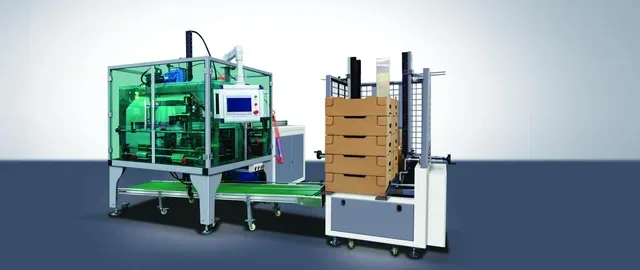
Send the dieline and marks for each joint, plus formed samples and a short description of downstream handling. Use the box folding machine range to identify possible configurations. The board and adhesive specification guide helps prepare data for a glued variant. Agree which evidence will show that the approved joint works on every size in the scope.