BLUEBERRIES / CORRUGATED TRAY APPLICATION
Corrugated Blueberry Tray Forming
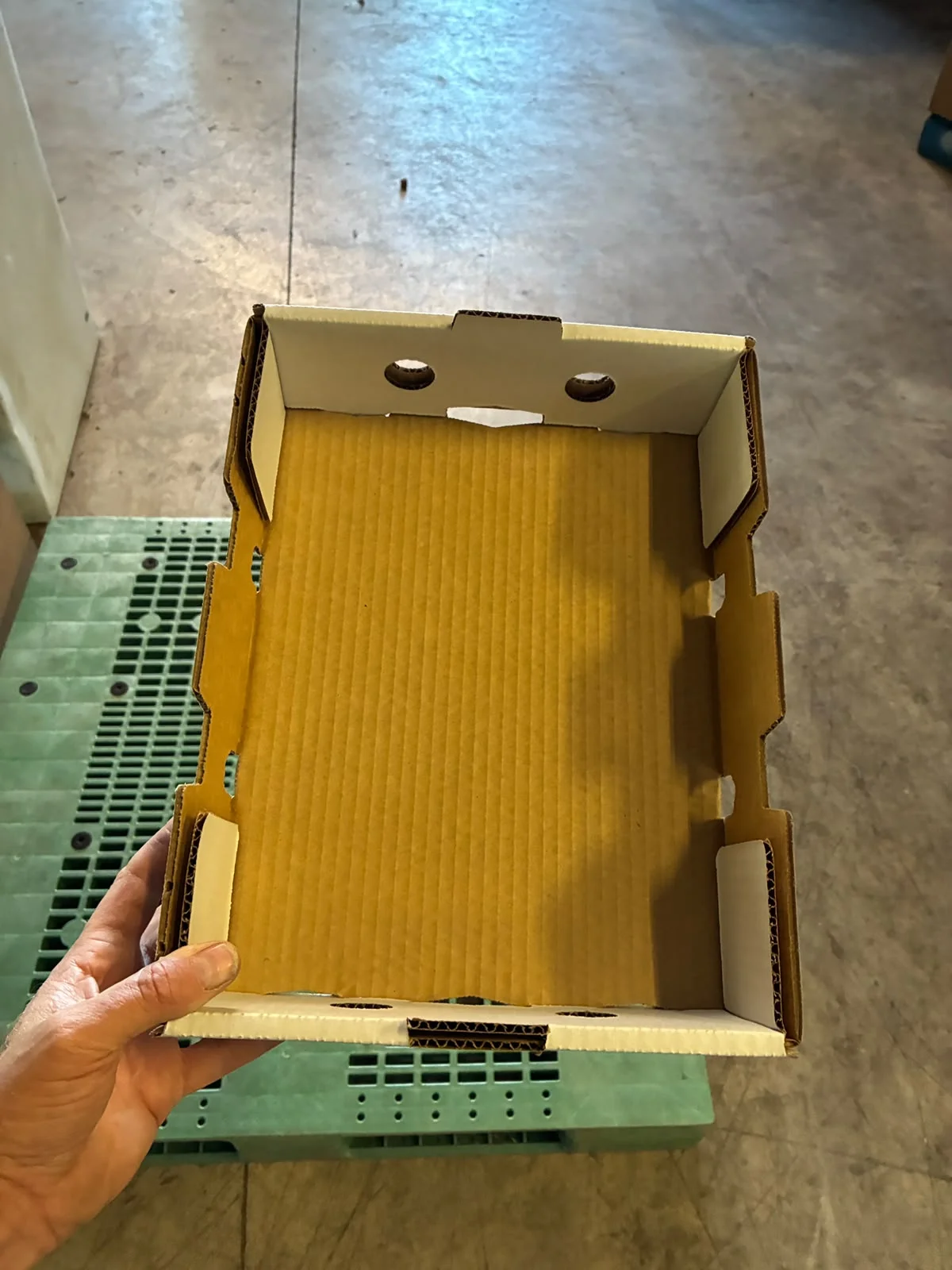
Choosing a blueberry tray former starts with the corrugated box you need to make. Send Xunding a folded box photograph together with a flat blank photograph or die-cut drawing to identify the machine model. Finished dimensions and required daily output then help define the project configuration. The two real views below show how the assembled tray and its unfolded panels provide different parts of that buying brief.
TWO VIEWS OF THE SAME DESIGN
Actual blueberry box samples
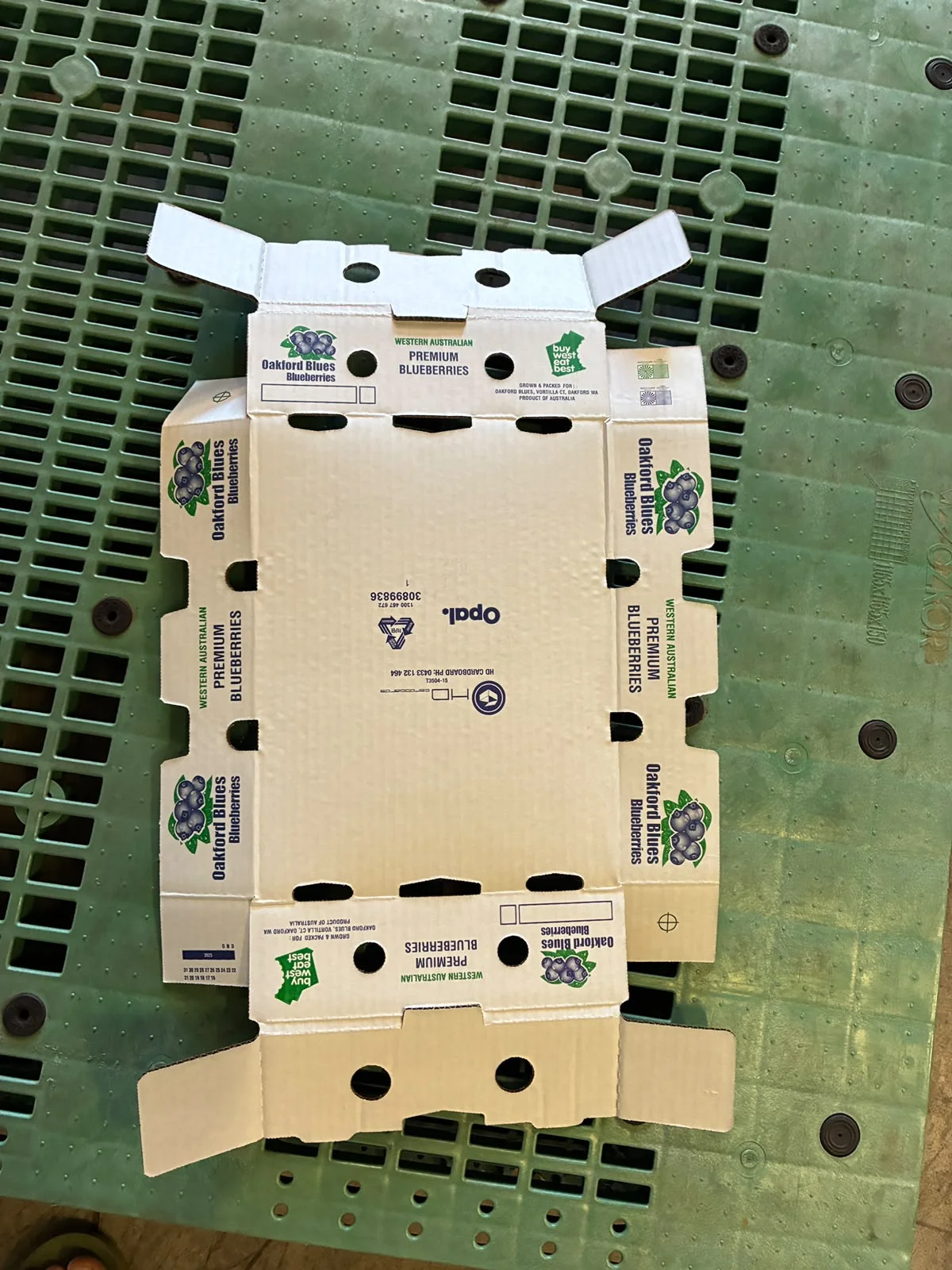
The blueberry tray and its flat blank
The assembled corrugated tray
This application concerns the corrugated outer tray used in blueberry packaging. It starts with an already cut and creased board blank and ends with an empty formed tray. The machinery discussed here does not manufacture plastic punnets, mould pulp trays or fill the tray with fruit. If your packing operation uses small retail packs inside an outer box, include the outer tray drawing in the enquiry and describe fruit loading as a separate operation.
Folds, corner tabs and joints in the blank
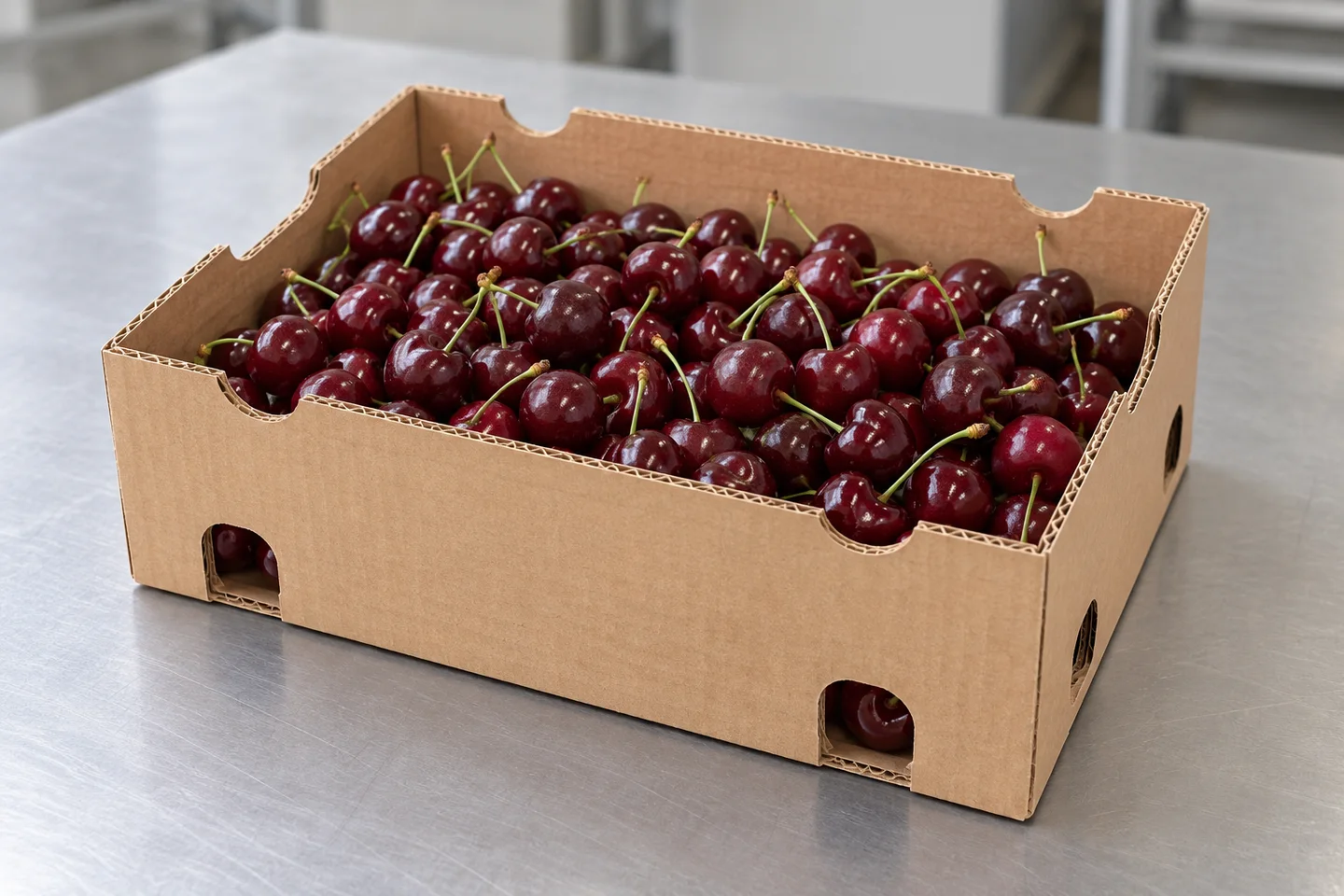
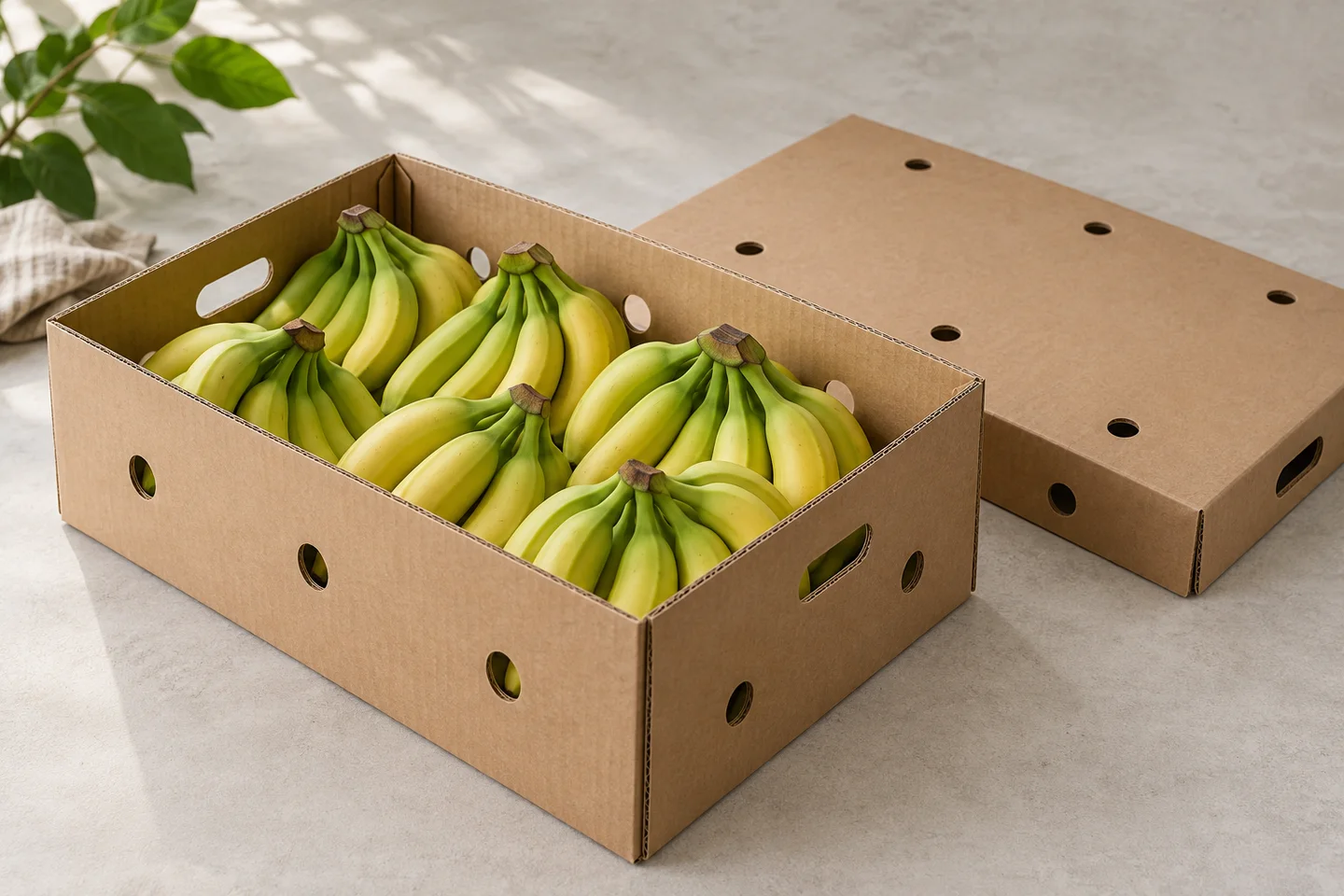
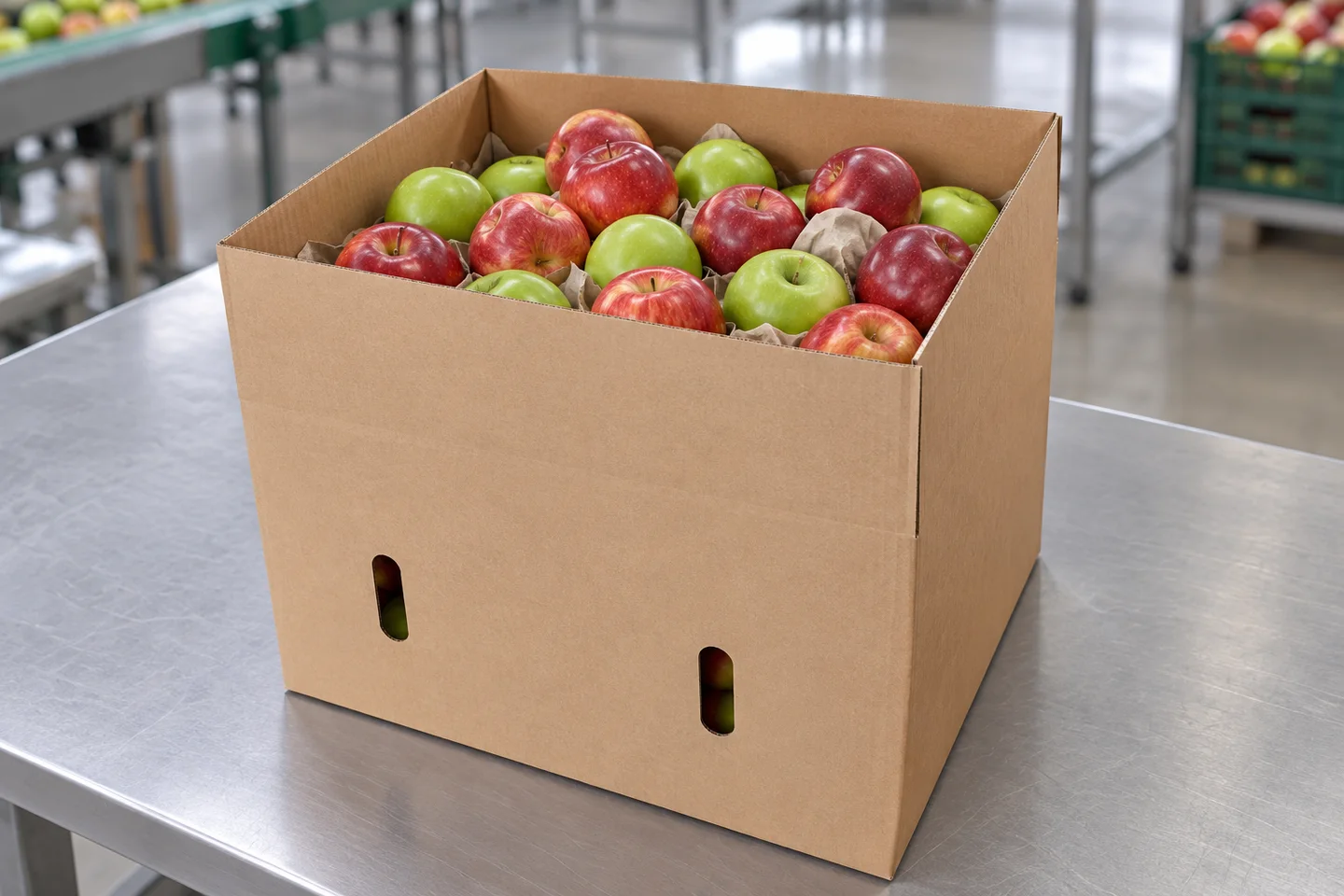
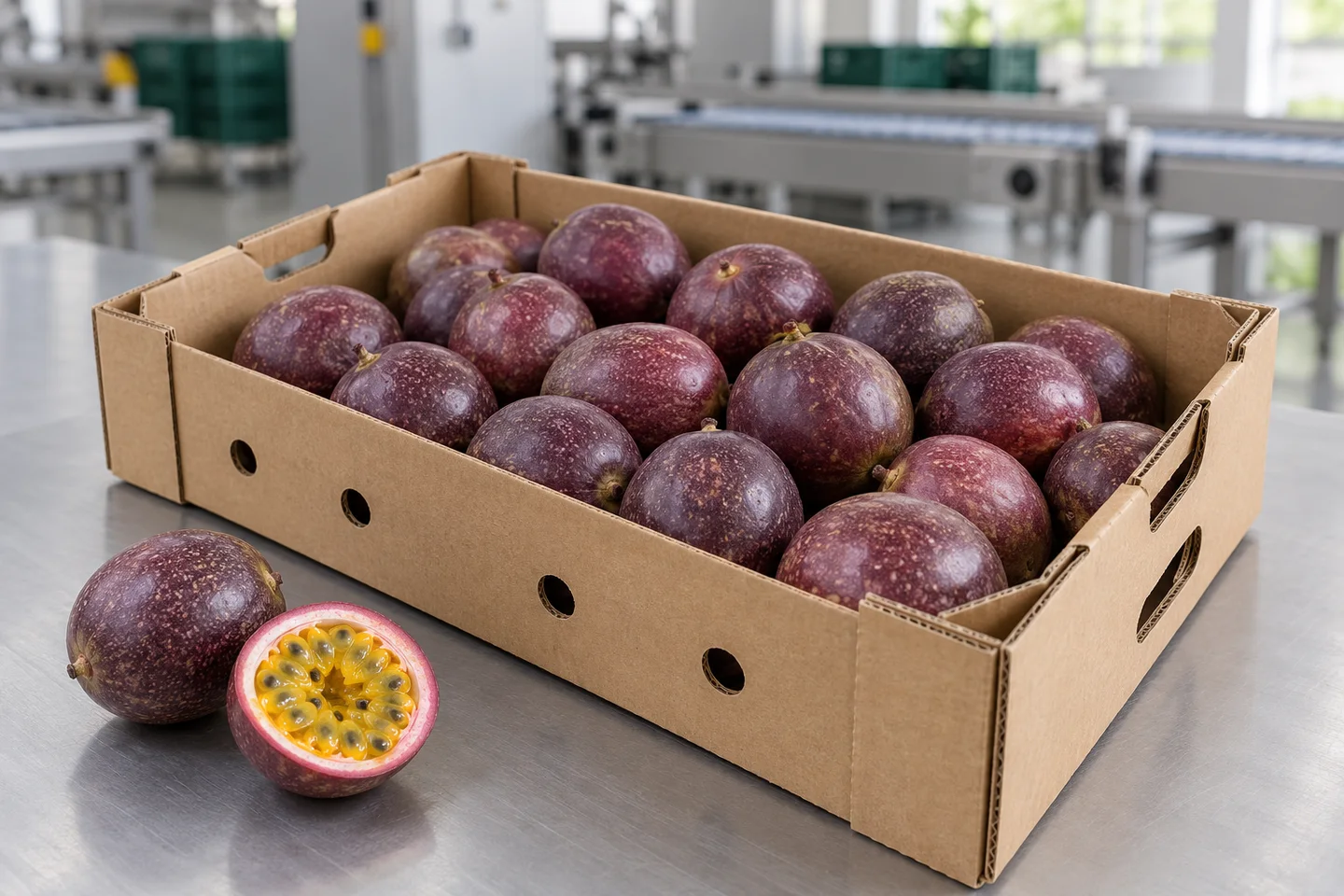
The folded sample shows an open rectangular base, upright end walls, folded corner panels and cut-outs around the edges. The opened sample reveals how those parts connect through the original blank. Read the two views together: a corner that looks simple after folding may involve several panels and an overlap. The flat image shows where creases, tabs and openings interrupt a panel, while the finished image shows which surfaces face inside and how the walls meet.
For your own design, photograph the empty folded box from above and show the corners and underside clearly. Lay the matching blank fully open so that no flap is hidden, or send the die-cut drawing with its revision identified. The sample photos on this page do not establish dimensions, stacking strength or a production result. Printed fruit names and packaging brands also do not establish which machine made the sample.
Forming requirements for the reviewed box design
Feeding and supporting the blank
Begin the forming review by identifying the board face, feed direction and complete blank outline. Cuts near a crease or a narrow flap can affect where the sheet can be held and supported. Include board type, thickness, printing and coating information with the design. A drawing shows the intended geometry; production cardboard provides the material needed to check the folding and joining behaviour of that design.
Gluing and folding options
Next, identify the folding order and the intended joints. A hot-melt glue tray former applies adhesive where the reviewed design needs a glued overlap. A mechanically locked design requires the relevant tabs and slots to engage. These are different joining tasks: neither the word blueberry nor the appearance of the assembled tray proves which joining configuration is appropriate. Xunding reviews the flat blank and folded box to establish the machine model and the required forming actions.
Keep the boundary between tray forming and the wider packing line explicit. Tell us whether empty trays should be collected by an operator, stacked or transferred to another conveyor. Include discharge direction and transfer height where a line connection is required. If a lid, insert or separate box component is part of the pack, provide its drawing as well rather than assuming it is covered by the outer-tray setup.
Compare machine candidates for your tray
Catalogue descriptions and configuration
XD-Z02 and XD-Z03 are catalogue candidates, not confirmed selections for the blueberry sample shown here. XD-Z02 is described in the catalogue for inward-folding fruit and vegetable box structures. XD-Z03 covers food, fruit and vegetable packaging boxes and includes a folding-knife device among its listed features. These descriptions provide a useful starting point for a comparison; they do not replace matching your actual blank, folds and joints to a forming configuration.
What needs sample confirmation
Open each model page to compare the published finished-box dimensions, flat blank dimensions, cardboard requirements and equipment details. Check both the formed box and the complete blank: a finished tray can fit a nominal dimension range while its extended flaps require a separate blank check. Record whether dimensions are internal or external, and keep length, width and height in the same order throughout your enquiry. Do not estimate these values from the photographs.
For several tray designs, send the folded and flat views for every design and identify which are used most frequently. The review should separate a size adjustment from a change in wall construction, corner folds or joining method. Confirm the tooling, adjustment and operating requirements for the selected designs before treating one machine as suitable for the whole range. Catalogue output figures are reference information, not measured blueberry-tray output for this sample.
Daily output and trial preparation
Boxes per day and available working hours
State the number of accepted trays needed per day and the hours available for forming them. Include planned shifts, breaks, regular changes between tray sizes and the busiest packing period. Required average accepted output equals the daily requirement divided by the available production time. This gives the production discussion a clear starting point, but it does not establish achievable machine speed or replace a sample trial on the intended board and configuration.
Accepted trays, joints and interruptions
Prepare trial blanks from the production material and identify the drawing revision, tray dimensions and joining method. Agree what counts as an accepted tray before the trial: for example, the required shape, wall alignment and joint condition. Record run duration, blanks fed, accepted trays, rejected trays and interruptions using the same agreed counting method. Any stacking, handling or load requirement belongs in the project acceptance brief and needs its own suitable assessment.
The trial checklist linked below provides fields for these observations. Use its accepted-output record to compare results under stated conditions, rather than using a short demonstration clip or an unloaded catalogue maximum as a daily production promise. No trial video or measured output has been confirmed for the blueberry sample on this page. Ask for evidence matching your own tray and proposed configuration as the selection progresses.
Blueberry tray forming FAQ
The questions below address the information needed to move from a corrugated blueberry box design to a machine proposal. A fruit name helps describe the application, but the box structure, material, dimensions and production requirement determine what must be reviewed. Keep a single enquiry brief with the matching photographs and drawing so that the same design is used for machine selection, the quotation and any subsequent trial.
Which photos or drawing should I send?
Send a clear folded box photograph plus a flat blank photograph or die-cut drawing. These views allow Xunding to identify the machine model. Add finished dimensions and daily output for a more specific proposal.
Can one setup handle several blueberry tray sizes?
Submit every design for review. Confirm the finished and blank dimension ranges, wall and joint construction, tooling and changeover requirements for the chosen machine. Similar fruit names or tray shapes do not establish compatibility.
How is forming output checked?
Agree acceptance conditions for the intended board and configuration. Record accepted trays over a stated run time, together with rejects and interruptions. No measured blueberry-tray output is claimed for the photographed sample.
Does a blueberry tray former always need hot-melt glue?
The reviewed blank determines the joining method. Glued overlaps and self-locking tabs need different forming actions. Confirm the applicable method and adhesive equipment, if needed, in the project proposal.
What should the quotation include?
Request a defined machine configuration, tooling, adhesive equipment if applicable, discharge arrangement, utilities and trial scope. Ask which installation, training, spares and consumables are included or excluded.
Request a proposal for your blueberry tray
Send the folded box photograph and a flat blank photograph or die-cut drawing first. Add finished dimensions, complete blank dimensions, board information, required daily accepted output and available working hours to refine the proposal. For multiple sizes, label each design separately. Include the installation destination, electrical supply, available air, working space and any conveyor interface so that the enquiry covers the forming task and its site conditions.
Ask the quotation to identify the selected machine and forming configuration, applicable tooling, adhesive equipment where required, discharge arrangement, utilities and the agreed trial scope. Installation, commissioning, training, spares and consumables should be listed with their inclusion or exclusion stated; this page does not promise that they are all included. The next buying decision is to review a proposal tied to your box design and production brief, with the remaining project conditions made explicit.