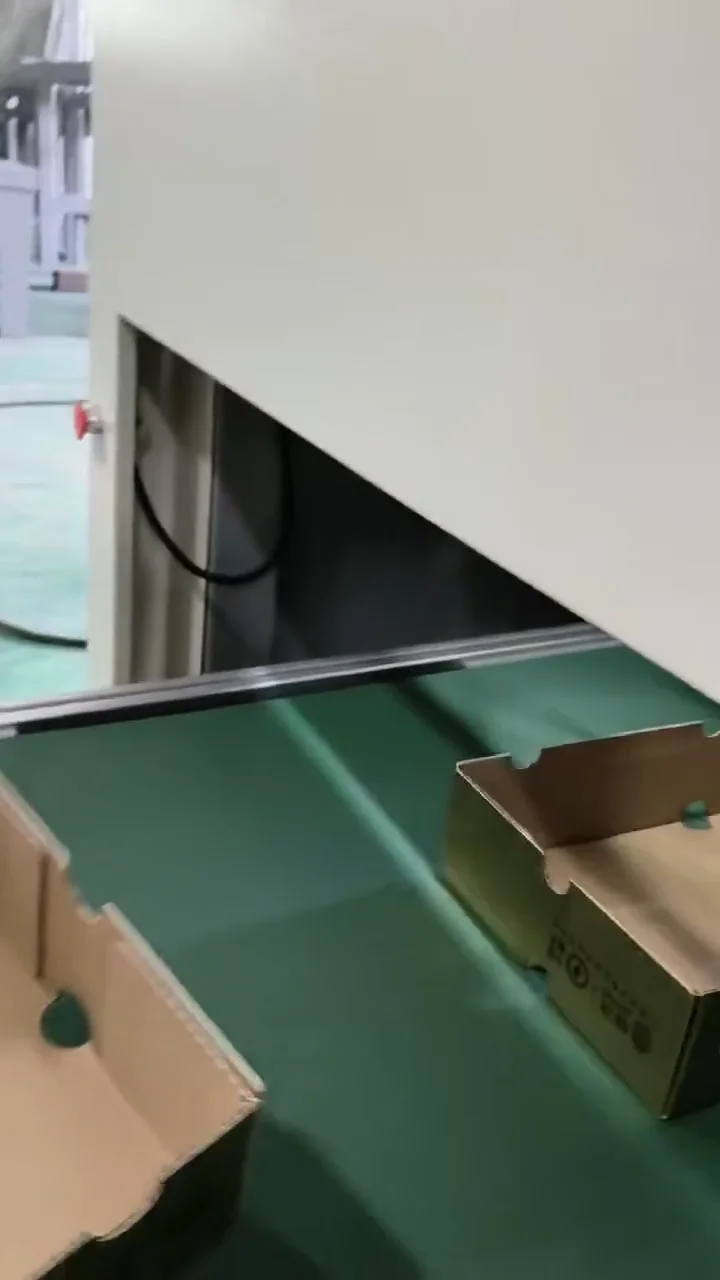


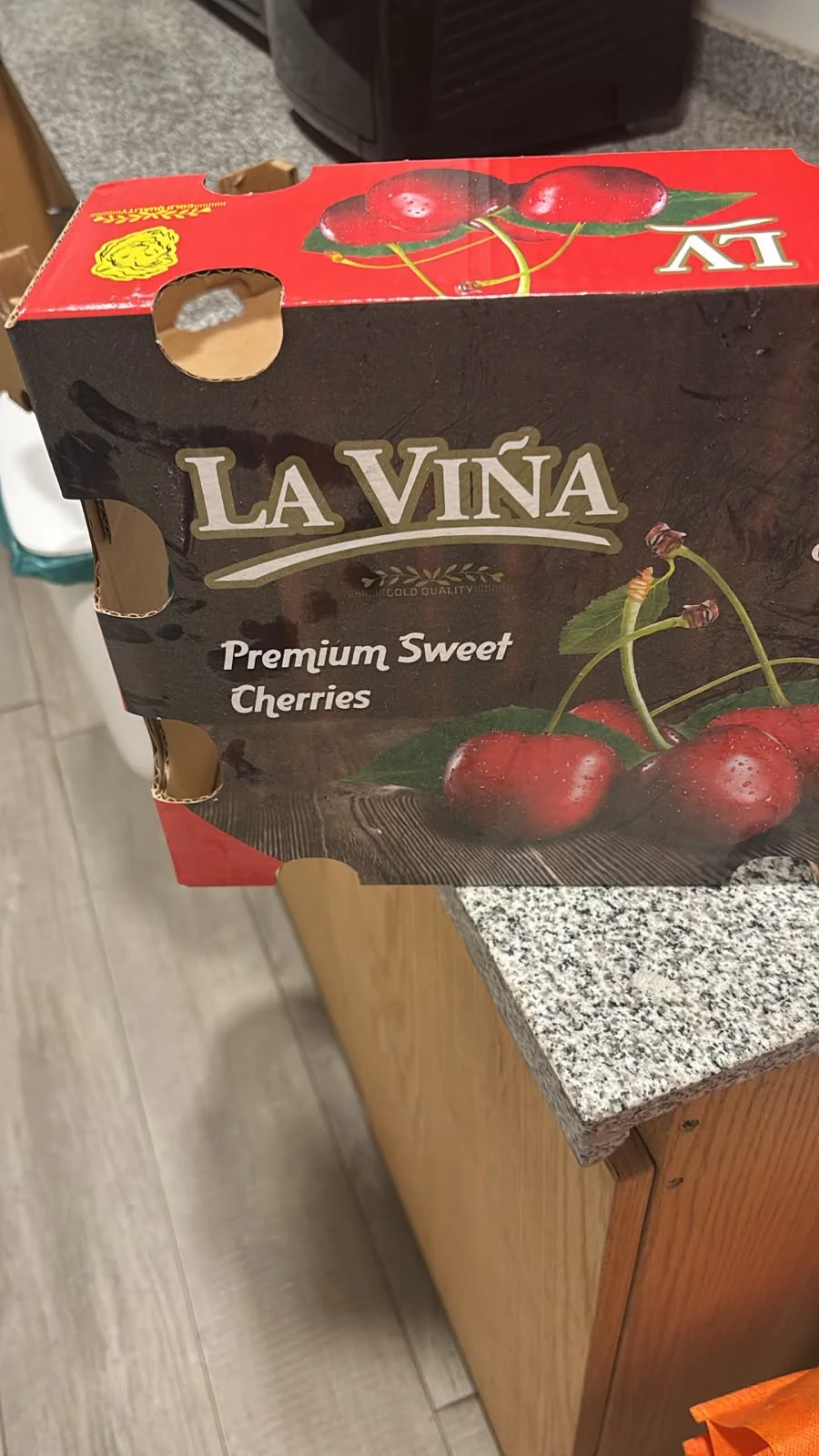
The enquiry arrived through social media at the start of the Chilean pre-season. A packaging distributor who supplies cherry growers was evaluating fruit box forming equipment for customer projects above 10,000 trays a day. Within one conversation the exchange covered box formats, reference videos, a distributor quotation — and, three weeks later, a storm season that paused buying across the Chilean cherry trade.
Case at a glance
This anonymized case covers an active enquiry. The quotation remains under review with the distributor’s client, and no order has been placed.
| Topic | Case context |
|---|---|
| Business | Packaging distributor in Chile serving fruit producers; also sells cherry boxes |
| Requirement | Cherry box forming equipment for end-user projects above 10,000 trays/day |
| Enquiry channel | Social media contact that moved to a direct technical chat |
| Commercial route | Distributor pricing with a reseller margin |
| Documented stage | Quotation shared; end-user decision pending at the time of writing |
A distributor asks a different set of questions
Our first reply asked whether the enquiry concerned a specific end-user project or adding box erectors to a product line. The answer shaped everything that followed: the caller worked with fruit producers and also sold cherry boxes himself.
A distributor enquiry is not a farm enquiry. The machine must win over the distributor’s own customers, so the decisive documents are not only technical datasheets but evidence their clients can trust: acceptance-test videos, references in the Chilean cherry trade, and a quotation structure that leaves room for resale. We confirmed that the partner base includes several Chilean distributors and prepared the quotation on that commercial basis.
The first request: photographs of the boxes
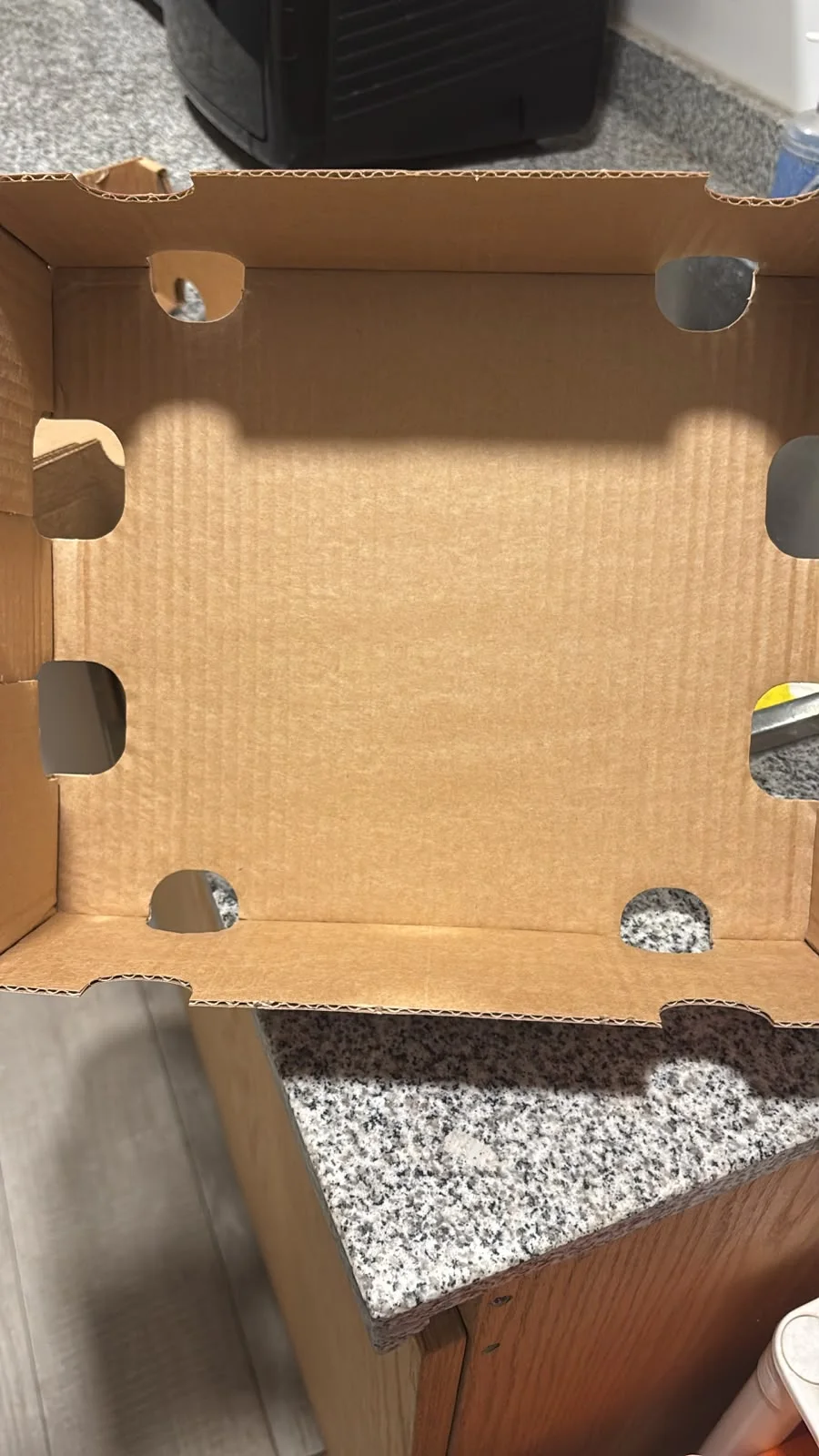
Before naming a model, we asked for photographs of the boxes and trays his customers commonly use. Five photographs arrived the same morning: vented cherry boxes, printed export cartons and the shallow trays used for punnet lines.
Cherry packaging has recurring features a photograph shows faster than words: ventilation slots sized to the fruit, stacking lugs for forced-air cooling, and printing that must survive forming. The photographs let us match the requirement to the forming process instead of to the word “cherry”.
Reference questions deserve direct answers
One question came bluntly: did a well-known Chilean carton producer use our machines? We answered it directly and pointed to the videos shared minutes earlier, all filmed during customer acceptance tests at our workshop.
For a distributor vetting a new supplier, that exchange does more than any brochure. A supplier who answers reference questions with verifiable material — videos, test records, client-visit photos — is easier to represent than one who answers with adjectives.
The quotation, and what a distributor needs in it
The quotation went out the same day. For distributor partners we quote with a reseller margin in mind, because the distributor carries the local relationship, after-sales contact and, often, the spare-parts stock.
A distributor quotation should also be presentable to the end user: machine scope, tooling for each box format, adhesive equipment where applicable, collection and stacking arrangements, and what a sample trial would cover. When the distributor forwards it to a grower or a box plant, every line may be read by someone who was not part of the original chat.
Then the season intervened
Three weeks of follow-up produced an honest answer: no decision this year. Storms and rain had damaged extensive cherry growing areas, and exporters had practically stopped buying inputs — boxes, packaging, machinery.
This is the part of equipment planning that no datasheet covers. Cherry box capacity is bought for a harvest window; when the crop shrinks, the purchase moves with it. For suppliers and distributors alike, the useful response is not pressure but preparation: keep the box formats, volumes and trial plan current so the project can restart the moment the season allows.
What moves a cherry box enquiry towards a decision
For a similar enquiry, prepare the following before asking for prices. It shortens the quotation and makes it comparable between suppliers.
| Information to prepare | What it helps decide |
|---|---|
| Formed cherry box and flat blank (photo or dieline) | Folding sequence, ventilation and stacking features |
| Finished dimensions and board grade | Format review and material for trials |
| Daily volume per project and the harvest window | Machine size and output requirements |
| Distributor or end-user purchasing | Commercial structure and margin provisions |
| Sample box or trial material | What the acceptance test can demonstrate |
Where this discussion stood
The enquiry had produced everything except a decision: box formats, volumes, a distributor quotation and a shared picture of the season. The record ends with the quotation under review — a normal place for a pre-season enquiry to pause.
If you distribute packaging equipment in a fruit-growing region, you can start the same way: show us the boxes your customers buy and the volumes behind them. Whether the order lands this season or the next, the brief is what survives.
Read how storm seasons move packaging costs and what forming on demand changes
Do you work with packaging distributors in Chile?
Yes. A large share of our partners are distributors, and quotations for them reserve a reseller margin while keeping the technical scope presentable to end users.
What volumes suit a cherry box forming machine?
It depends on the box format and the harvest window. Projects above 10,000 trays a day are common starting points for discussion; the daily figure per project, not the peak season total, drives the machine size.
When is the best time to buy cherry box equipment?
Before the pre-season, when there is time for a sample trial and production. But crop conditions move purchasing decisions, so keep formats and volumes documented to restart quickly when the season allows.